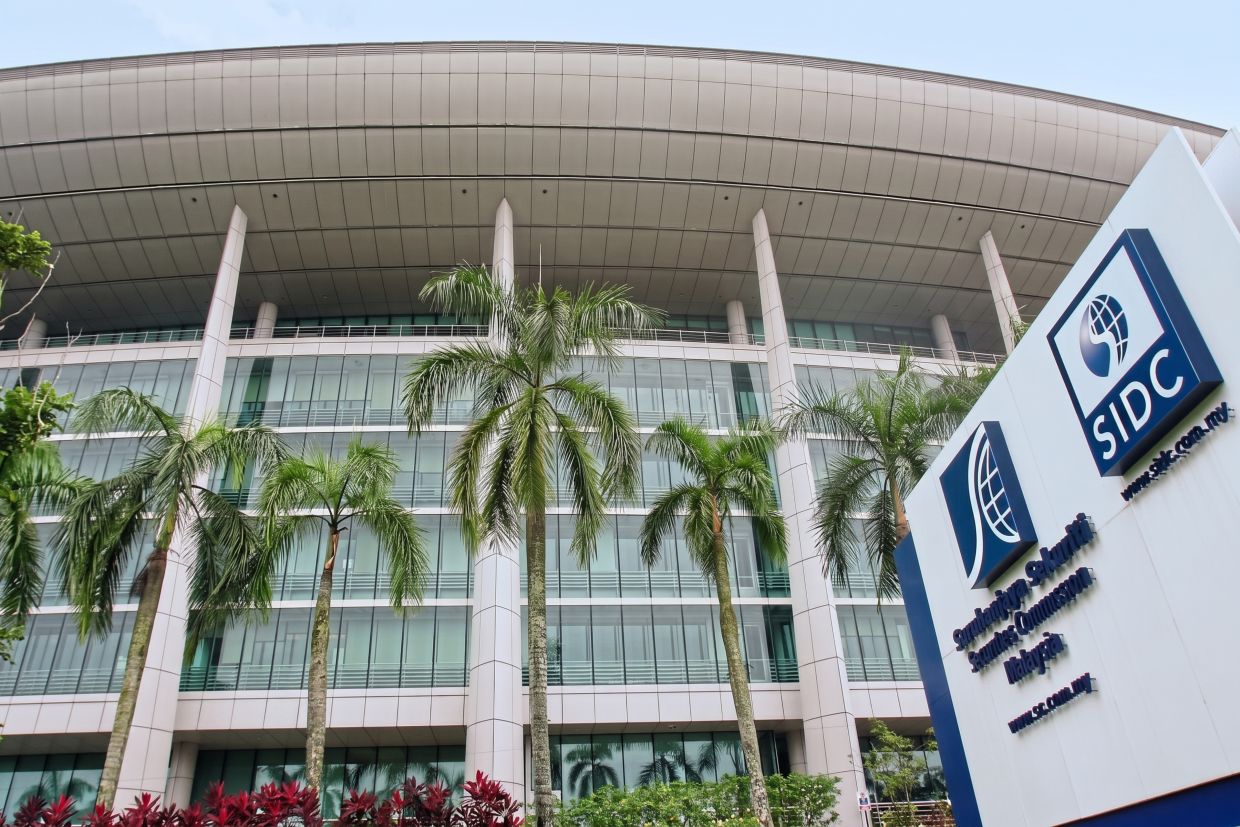
The Securities Commission Malaysia (SC) has initiated legal proceedings against three brothers—Anuar Hassan, Mohd Amin Hassan, and Amir Hassan—at separate Kuala Lumpur Sessions Courts, alleging they engaged in capital market activities without obtaining the necessary regulatory authorisation. The charges represent a significant enforcement action by Malaysia's primary securities regulator and underscore ongoing concerns about unlicensed financial services operators in the country's capital markets.
According to the SC's formal statement, the trio face multiple allegations of carrying on a securities dealing business in breach of section 58(1) of the Capital Markets and Services Act 2007 (CMSA). The charges reflect the regulator's determination to maintain market integrity and protect retail investors from unscrupulous operators operating outside the licensed framework. Each brother has been arraigned separately, though some charges involve joint liability, indicating a coordinated or connected operation across the alleged scheme.
Mohd Amin Hassan faces a single charge of unlicensed securities dealing under section 58(1) of the CMSA. The court granted him bail in the amount of RM30,000 with two Malaysian sureties, while imposing additional conditions requiring him to surrender his passport to the court and report monthly to the SC's investigating officer. These conditions are designed to ensure compliance with court orders and prevent flight risk while the case progresses through the judicial system.
Anuar Hassan and Amir Hassan have each been charged with two counts under section 58(1) of the CMSA read together with section 34 of the Penal Code, which pertains to abetment and joint liability. This legal framework suggests that the authorities view the brothers as acting in concert or with knowledge of each other's involvement in the unlicensed operations. Both were granted individual bail of RM30,000 with two sureties each, subject to identical reporting and passport conditions as their brother.
Further charges have been levelled against Amin and Amir jointly under section 58(1) of the CMSA and section 34 of the Penal Code. In these instances, bail was set at RM20,000 each with two sureties, again accompanied by the standard conditions. The variation in bail amounts across different charges may reflect differing circumstances or severity assessments by the courts handling each matter.
Amir Hassan faces the most extensive set of charges, with two additional counts under section 58(1) of the CMSA. He received bail of RM30,000 for these charges, maintaining consistency with the courts' approach to the accused. The accumulation of charges against Amir suggests he may have played a more central role in the alleged unlicensed operations, though all three brothers deny the allegations and have elected to proceed to trial.
The alleged unlicensed activities occurred between March 2019 and October 2019, spanning Kuala Lumpur, Putrajaya, Selangor, and Johor. The geographic spread across multiple states and federal territories indicates that the scheme was not confined to a single location but rather operated across a significant portion of Malaysia's most economically developed regions. This wide operational footprint raises questions about the potential reach and scale of the unlicensed dealing network.
The penalties prescribed under the CMSA for such offences are substantial, reflecting Parliament's intent to deter unlicensed market participants. If convicted on any charge, the brothers could face fines reaching RM10 million or imprisonment up to 10 years, or both sanctions applied concurrently. These severe penalties demonstrate the gravity with which Malaysian law treats violations of securities licensing requirements, particularly those involving actual commercial dealings.
The SC's enforcement action forms part of a broader regulatory agenda to combat unlicensed financial services provision in Malaysia. The regulator has consistently prioritised cases involving securities dealing without proper authorisation, as such activities pose direct risks to retail investors who may lack the sophistication to evaluate investment opportunities or recognise fraudulent schemes. The licensing framework exists to ensure that only qualified, properly capitalised, and adequately supervised entities conduct securities business.
The charges underscore the distinction between legitimate investment advisory services and unlicensed dealing operations. Malaysian investors often encounter persistent marketing by individuals offering investment schemes or securities trading services outside formal channels. The SC's legal action serves as both a prosecution of alleged wrongdoing and a deterrent message to other potential violators who might consider circumventing the regulatory framework.
For Malaysian investors, the case reinforces the importance of verifying that any financial services provider is duly licensed by the SC before engaging their services. The regulator maintains a publicly accessible list of licensed entities on its website, enabling investors to confirm the legitimacy of their financial partners. Beyond individual caution, the prosecution reflects the SC's commitment to actively investigating and prosecuting unlicensed operators who evade regulatory oversight.
The three brothers will now progress through the court system to trial, where the SC must present evidence to substantiate the charges beyond reasonable doubt. Their decision to claim trial, rather than enter guilty pleas, suggests they contest the allegations. The outcome of these proceedings could establish important precedent regarding the interpretation and enforcement of CMSA provisions relating to securities dealing licences and may clarify the standards by which regulators assess whether specific activities constitute unlicensed dealing.

