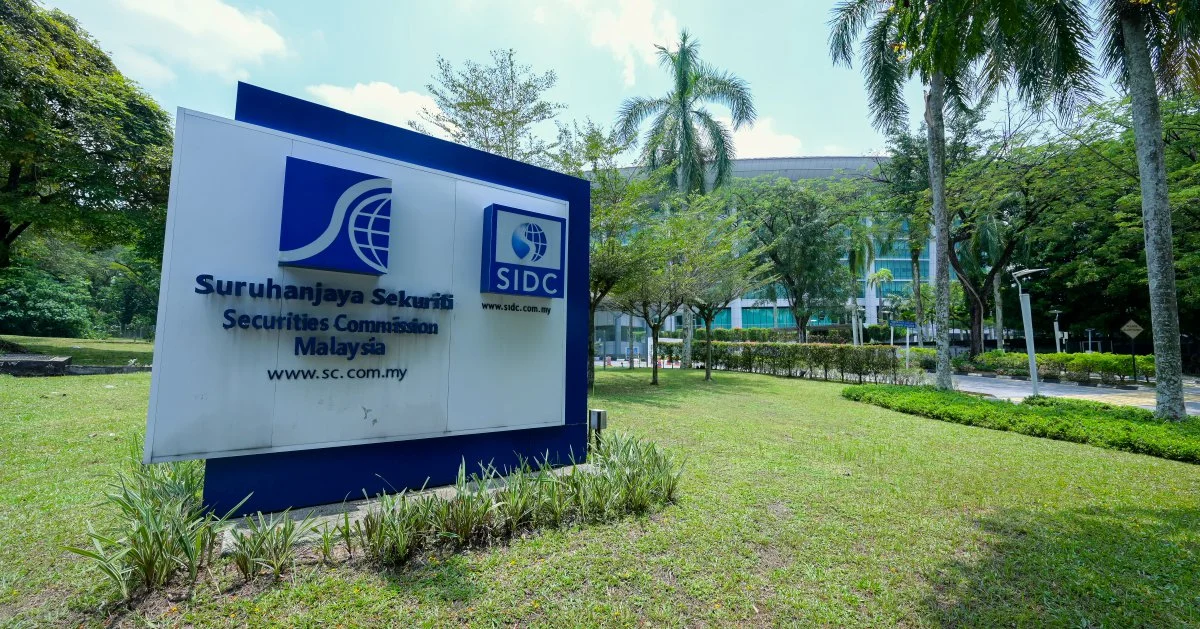
Three brothers are facing separate charges in Kuala Lumpur's Sessions Courts for operating unlicensed capital market activities, the Securities Commission announced. The enforcement action highlights ongoing efforts by the regulator to combat illegal financial operations that circumvent Malaysia's stringent licensing framework for securities activities.
The charges underscore the Securities Commission's commitment to protecting retail investors from unregulated operators who bypass proper regulatory oversight. Unlicensed capital market activities pose significant risks to the investing public, as they operate without the compliance requirements, accountability mechanisms, and investor protection safeguards that regulated entities must maintain. The fact that multiple members of the same family were involved suggests a potentially coordinated operation designed to capture illicit profit opportunities in the financial sector.
Malaysia's capital market framework requires all persons and entities engaged in securities dealing, investment advisory services, fund management, and related activities to obtain proper licensing from the Securities Commission. This regulatory requirement exists to ensure that market participants possess adequate knowledge, financial stability, and ethical standards necessary to protect investor interests. Unlicensed operators frequently target vulnerable investors, including retirees and first-time investors, with promises of unrealistic returns or exclusive investment opportunities.
The separate charging of the three brothers across different Sessions Courts may indicate distinct operations or specific allegations tailored to each individual's role in the broader scheme. This prosecutorial approach allows authorities to address potentially different aspects of the unlicensed activities, whether related to asset management, client solicitation, or funds handling. Each defendant will face individual scrutiny regarding their specific conduct and involvement in violating Malaysia's capital market regulations.
Enforcement actions of this nature serve multiple purposes within the regulatory ecosystem. Beyond holding violators accountable through the criminal justice system, such prosecutions communicate to the broader market that unlicensed financial operations face serious legal consequences. Potential offenders recognize that the Securities Commission actively investigates and prosecutes violations, creating a deterrent effect that hopefully prevents others from attempting similar schemes.
Investors across Malaysia and the region should remain vigilant when approached by promoters offering investment opportunities, particularly those promising unusually high returns or claiming special access to exclusive financial products. Legitimate investment opportunities through regulated channels offer multiple protections, including dispute resolution mechanisms, compensation schemes, and oversight by professional conduct standards. Unregulated operators lack these protections entirely.
The Securities Commission's detection and prosecution of this case reflects sophisticated investigative capabilities now available to Malaysian financial regulators. Modern investigative techniques, including financial transaction analysis, communications monitoring, and coordination between regulatory agencies, have enhanced the ability to identify and dismantle unlicensed operations that might have escaped detection in earlier decades.
For Malaysian investors, these enforcement actions carry practical importance. They validate the value of dealing exclusively with licensed financial institutions and advisors whose credentials can be verified through the Securities Commission's official registry of licensed persons and firms. The Commission maintains publicly accessible databases allowing investors to confirm an institution's or individual's licensing status before committing funds.
The broader Southeast Asian investment community should note Malaysia's relatively robust enforcement framework against unlicensed operators. Compared to some regional jurisdictions with less developed regulatory infrastructure, Malaysia demonstrates serious commitment to prosecuting violations rather than treating them as administrative infractions. This approach reflects the seriousness with which Malaysian authorities regard investor protection as a national priority.

