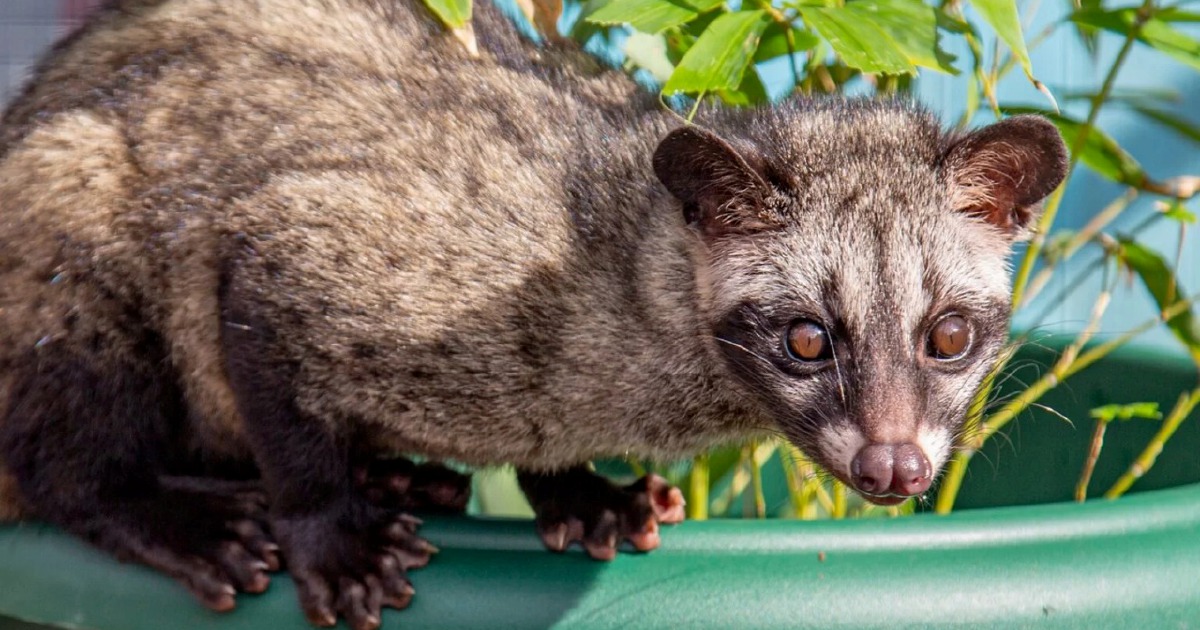
Three men have been apprehended in Kelantan following the discovery of two Asian palm civet cubs in their custody without requisite licensing, marking another enforcement success in the state's battle against illegal wildlife possession. The detentions occurred late yesterday evening at a roadblock stationed in Tanah Merah, specifically in the Lalang Pepuyu area, as part of Op Taring Wawasan—a coordinated operation targeting wildlife trafficking and unauthorised animal possession.
The Asian palm civet, known locally as musang, represents a species increasingly targeted by wildlife smugglers and unlicensed collectors across Southeast Asia. The animal has become economically valuable due to multiple factors: demand for exotic pets in urban markets, the controversial practice of civets in confined conditions for kopi luwak production, and the broader illegal wildlife trade network that spans the region. The capture of these two cubs suggests an organised attempt to transport young animals, which command higher prices and may indicate involvement in breeding operations or trafficking routes.
Op Taring Wawasan represents a sustained effort by Malaysian wildlife authorities to intercept illegal animal trade at critical junctures. Roadblocks and strategic checkpoints across Kelantan, particularly on major transit routes like those through Tanah Merah, serve as enforcement bottlenecks where vehicles suspected of transporting protected species can be inspected. This operation underscores the priority placed on halting wildlife trafficking before animals reach black markets or are distributed to private collectors operating without governmental oversight.
The possession of the civet cubs without a valid licence constitutes a serious violation under Malaysia's Wildlife Conservation Act 2010. Licencing requirements exist precisely to regulate the limited circumstances under which protected species may be legally held—typically for licensed zoos, research institutions, or specific rehabilitation purposes. The absence of proper documentation suggests these individuals had no legitimate claim to the animals and were likely engaged in commercial trafficking or unlicensed private collection.
Wildlife trafficking represents a persistent challenge throughout Southeast Asia, with Kelantan's strategic location making it a potential transit hub for animals destined for other states or international markets. The region's forest reserves and agricultural areas provide habitats that attract collectors, whilst road networks facilitate rapid movement of contraband. By maintaining enforcement presence at critical junctures like roadblocks, authorities create friction in trafficking chains and deter would-be smugglers who face heightened detection risks.
The Asian palm civet population faces mounting pressure from habitat loss, hunting for the wildlife trade, and increasingly, removal of young for illegal breeding operations. Protecting cubs carries particular significance given their role in species reproduction and population stability. Each confiscation of juveniles potentially disrupts trafficking networks and prevents establishment of illegal breeding facilities that proliferate in urban and peri-urban areas across Malaysia and the region.
Civet species face complex conservation challenges in Southeast Asia. While some populations remain relatively stable in forest reserves, others experience targeted removal driven by economic incentives. The kopi luwak industry, despite international criticism, has created persistent demand for confined civets across several countries, and this economic pressure translates into poaching and illegal breeding operations. Malaysian enforcement efforts must contend with these interconnected market forces that incentivise continued trafficking despite legal prohibitions.
These arrests demonstrate that wildlife authorities continue enhancing detection capacity and operational deployment. The timing and location of the Tanah Merah roadblock checkpoint suggest intelligence-led deployment, with officers positioned where historical trafficking patterns indicate likely movement of contraband wildlife. This intelligence-based approach proves more effective than random checks and reflects professional evolution in Malaysian wildlife law enforcement over recent years.
The detained individuals now face investigation and potential prosecution under wildlife protection legislation, which carries penalties including fines and imprisonment depending on severity and circumstances. Successful prosecutions serve dual purposes: they impose consequences on offenders while creating deterrence signals that discourage others from engaging in trafficking. However, addressing root causes—including demand reduction among consumers and elimination of economic incentives driving trafficking—requires complementary strategies beyond enforcement.
The confiscated cubs will likely undergo veterinary assessment before placement in appropriate facilities, whether rehabilitation centres or accredited zoos. Young animals discovered in trafficking situations often experience stress and health complications requiring specialist care. Malaysian wildlife authorities have developed relationships with rehabilitation facilities equipped to provide treatment and socialisation necessary for eventual reintegration or appropriate permanent placement.
This enforcement action arrives amid broader regional and international focus on combating wildlife trafficking networks. Organisations including TRAFFIC and the International Union for Conservation of Nature have identified Southeast Asia as a critical trafficking region, with Malaysia occupying a central position within these illicit supply chains. National-level operations like Op Taring Wawasan contribute to multilateral efforts addressing transnational wildlife crime, though observers note that sustained success requires coordination across borders and involvement of customs, police, and diplomatic channels alongside wildlife authorities.

