A tragic collision involving a Malaysian Immigration Department (JIM) Black Maria lorry claimed three lives on Jalan Sultan Ismail in Kuala Lumpur in the early hours of Monday, with the remains of the deceased now being prepared for burial in Perak. The incident, which occurred shortly after 1 am, resulted in the deaths of Shaik Mohd Firdaus Shaikh Yahya, aged 53, and his two daughters, Siti Nor Sazlin, 25, and Siti Darwisyah Auni, just 12 years old. A fourth family member sustained serious injuries in the crash.
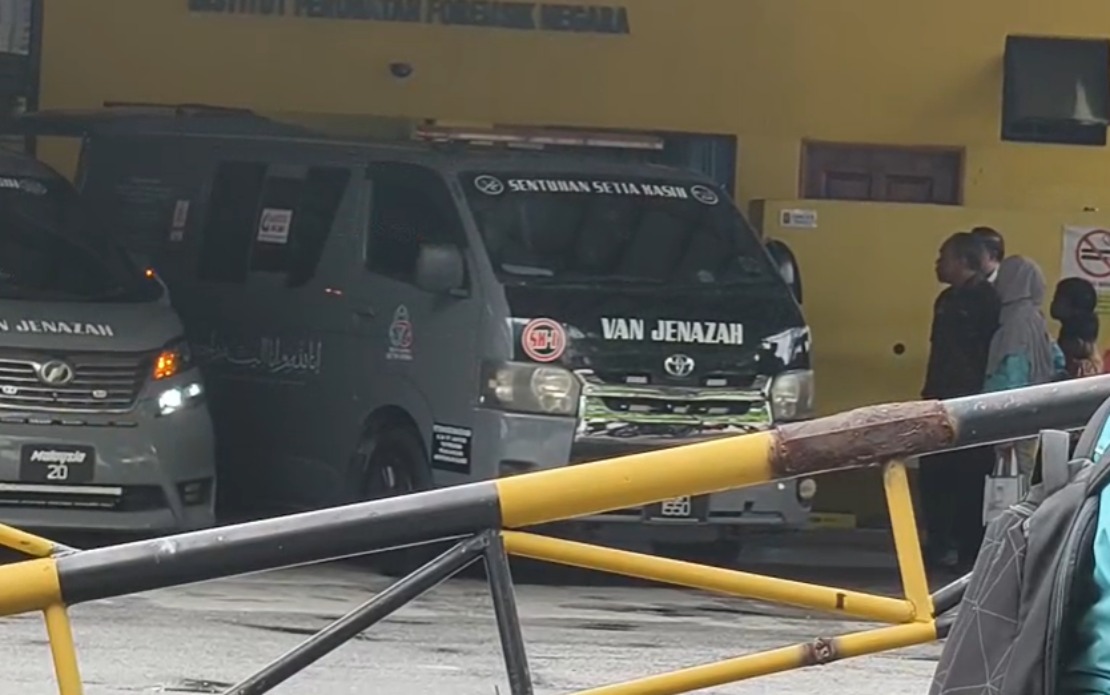
Following completion of post-mortem examinations at the National Institute of Forensic Medicine (IPFN) at Kuala Lumpur Hospital, the remains of all three victims were released on Monday evening at approximately 5.45 pm. The bodies were handed over to next of kin in three separate hearses to facilitate funeral arrangements according to Islamic rites and family preferences. The tragic loss of a child alongside two adult family members underscores the severity of the incident and the devastating impact on those who survive them.
According to preliminary reports, the three bodies will undergo Islamic ritual preparation at Jamiul Ehsan Mosque on Jalan Pahang, where they will be bathed, shrouded, and prepared for funeral prayers in accordance with Islamic tradition. Following these religious observances in the capital, the remains will be transported to Kampung Air Hitam Labu Muslim Cemetery in Kampar, located in Perak state, for final interment. This journey from Kuala Lumpur to Perak reflects the family's roots and final resting place.
The collision occurred when the JIM lorry, operating as an enforcement vehicle without any detained passengers aboard, was en route to the Chow Kit district to conduct a planned immigration raid targeting undocumented migrants. At the time of the incident, the lorry had activated both its beacon lights and audible siren to alert other road users to its presence and priority passage. However, investigation findings suggest that the vehicle proceeded through the Maju Junction intersection against a red traffic signal.
The JIM lorry's trajectory brought it into direct collision with a Proton Saga sedan that was lawfully proceeding through the same intersection on a green light. The impact of the collision was severe enough to cause the lorry to lose directional control, sending it into an uncontrolled skid across the roadway. During this skid, the vehicle struck four pedestrians who were in the vicinity and also collided with an Inokom Matrix multi-purpose vehicle, compounding the casualty toll and property damage from the initial impact.
The circumstances of the crash raise important questions about emergency vehicle operations in urban environments, particularly regarding the balance between rapid response times and public safety. While enforcement and immigration operations are essential government functions, incidents of this nature highlight the risks posed when heavy vehicles operate at speed through busy city intersections, even when emergency lighting and sirens are activated. Malaysian road safety advocates have long pointed to the dangers of emergency vehicle collisions as a persistent concern requiring ongoing review of operational protocols.
Investigation into the incident is proceeding under Section 41(1) of the Road Transport Act 1987, which covers motor vehicle offences and traffic violations. This legal framework will determine whether charges will be brought against the lorry driver or whether culpability rests with other factors. The investigation process will examine vehicle maintenance records, driver fatigue and training status, traffic signal functionality, visibility conditions, and the appropriateness of speed given road and traffic conditions.
The tragedy underscores a broader concern within Malaysia's road safety community regarding heavy vehicle accidents in urban areas. The combination of large vehicle mass, restricted visibility, and the inherent challenges of navigating congested city streets creates a particularly hazardous scenario. The Maju Junction area, a significant interchange serving central Kuala Lumpur, experiences substantial daily traffic volumes, and understanding how this accident occurred there may inform future traffic management improvements.
For the bereaved family, the loss of a child represents an especially profound tragedy that will reverberate through extended family networks and community bonds. The incident also serves as a sobering reminder to all road users of the unpredictability and consequences of traffic accidents, regardless of circumstances or precautions. The coming weeks will see both the grief of private mourning and the public process of legal investigation proceeding in parallel.

