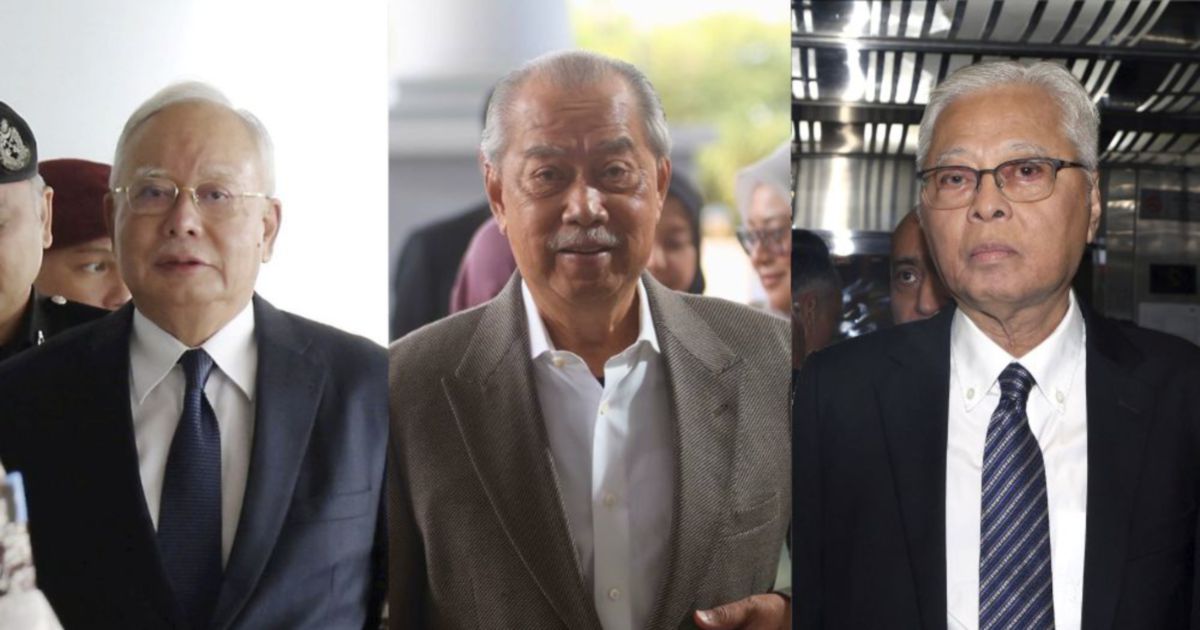
The Kuala Lumpur Court Complex will witness an extraordinary gathering of political heavyweight on Tuesday as three former heads of government arrive to face separate graft-related proceedings. The simultaneous appearance of these three ex-premiers underscores the intensity of Malaysia's ongoing anti-corruption enforcement, which has accelerated significantly over the past several years and shows few signs of abating. Each former leader confronts a distinct set of charges, reflecting the varied nature of the allegations that have dogged Malaysia's political establishment.
The convergence highlights how Malaysia's judicial system has become increasingly willing to prosecute former leaders regardless of their previous tenure or prominence. This development marks a significant shift from the historical pattern in which high-ranking political figures often escaped legal accountability after leaving office. The spectacle of multiple former chief executives appearing simultaneously in court carries profound symbolic weight for a nation grappling with corruption challenges that have periodically damaged its international reputation and economic standing.
The appearance of these three figures reflects broader patterns of institutional accountability that have reshaped Malaysian politics since roughly the mid-2010s. Whereas previous eras witnessed tacit immunity for departed office-holders, contemporary governance has demonstrated that no position, however elevated, provides sanctuary from legal consequences. The judiciary's increasing assertiveness in pursuing such cases signals a determination to address systemic corruption that observers believe contributed to Malaysia's earlier loss of competitiveness in regional economic rankings.
The particular significance of this simultaneous court appearance lies in its demonstration that corruption investigations transcend political cycles. Regardless of which coalition currently governs, the machinery of justice continues processing cases that originated under previous administrations. This institutional persistence, whether viewed as impartial enforcement or selective prosecution depending on one's political perspective, has become a defining characteristic of Malaysian legal proceedings.
For observers tracking Malaysia's governance trajectory, these proceedings represent more than individual cases. They exemplify how the country has gradually moved toward a system where accountability mechanisms function with greater independence from political considerations. Southeast Asian governance experts have noted Malaysia's experience as instructive for regional debates about judicial autonomy and corruption control, though assessments remain mixed regarding whether the current framework achieves optimal balance between accountability and political stability.
The legal complexities involved in prosecuting former chief executives differ substantially from ordinary corruption cases. Former leaders typically command considerable resources for their defence, engage sophisticated legal teams, and possess detailed knowledge of governmental processes and administrative vulnerabilities. These factors can significantly extend proceedings and create procedural complexities that routine cases avoid. Additionally, prosecutions of this magnitude inevitably carry domestic political ramifications regardless of their actual merit, a reality that Malaysian courts must navigate carefully.
The appearance of three ex-premiers simultaneously also raises questions about public perception and institutional legitimacy. Citizens observing the proceedings must contend with competing interpretations: whether such prosecutions represent genuine commitment to rule of law or constitute politically motivated persecution orchestrated by incumbent authorities. This interpretive ambiguity reflects broader global challenges facing post-transition democracies attempting to strengthen accountability institutions while maintaining public confidence in their impartiality.
Regional context further complicates interpretation of these cases. Neighbouring countries in Southeast Asia have adopted varying approaches toward prosecuting former leaders. Some jurisdictions maintain effective immunity for departed chief executives through political compromises or constitutional provisions. Malaysia's more aggressive stance positions it differently within the regional spectrum, potentially offering lessons or cautionary examples depending on one's governance philosophy. The outcomes of these proceedings may influence how other Southeast Asian nations calibrate their own accountability mechanisms.
For Malaysia's economic and foreign relations, the continuation of such high-profile cases carries reputational consequences. International investors and business partners monitor how countries handle governance challenges and judicial independence. While transparent prosecution of corruption generally improves investment climate by suggesting effective regulatory control, prolonged legal proceedings involving multiple former leaders can also generate uncertainty about political stability. Malaysia must therefore navigate between demonstrating commitment to accountability and maintaining sufficient political predictability to support economic confidence.
The specific charges facing each ex-premier, though distinct, collectively represent concerns about institutional governance that animated reform movements within Malaysia over recent years. Whether involving abuse of public position, misappropriation of funds, or related offences, the underlying theme involves allegations that governmental authority was converted to private advantage. This pattern of allegations, when multiplied across several administrations, suggests systemic governance challenges that extend beyond individual failings.
Looking forward, observers anticipate that these cases will generate precedents affecting how Malaysian courts handle similar proceedings involving high-ranking political figures. Judicial decisions regarding evidence admissibility, witness testimony, and evidentiary standards will likely influence procedures in future cases. Furthermore, the duration and outcomes of these prosecutions may establish implicit parameters regarding time limits for pursuing former officials and the practical obstacles that plaintiffs must overcome to secure convictions.
The appearance of three former leaders simultaneously at court represents a potential watershed moment for Malaysian governance. Whether observers ultimately view these proceedings as exemplifying admirable accountability or troubling politicization will likely depend substantially on their political orientation and broader assessments of institutional fairness. Regardless of individual interpretation, the proceedings demonstrate that Malaysia's political establishment can no longer assume that high office provides insulation from legal consequences—a reality with profound implications for how future leaders approach governance and public trust.

