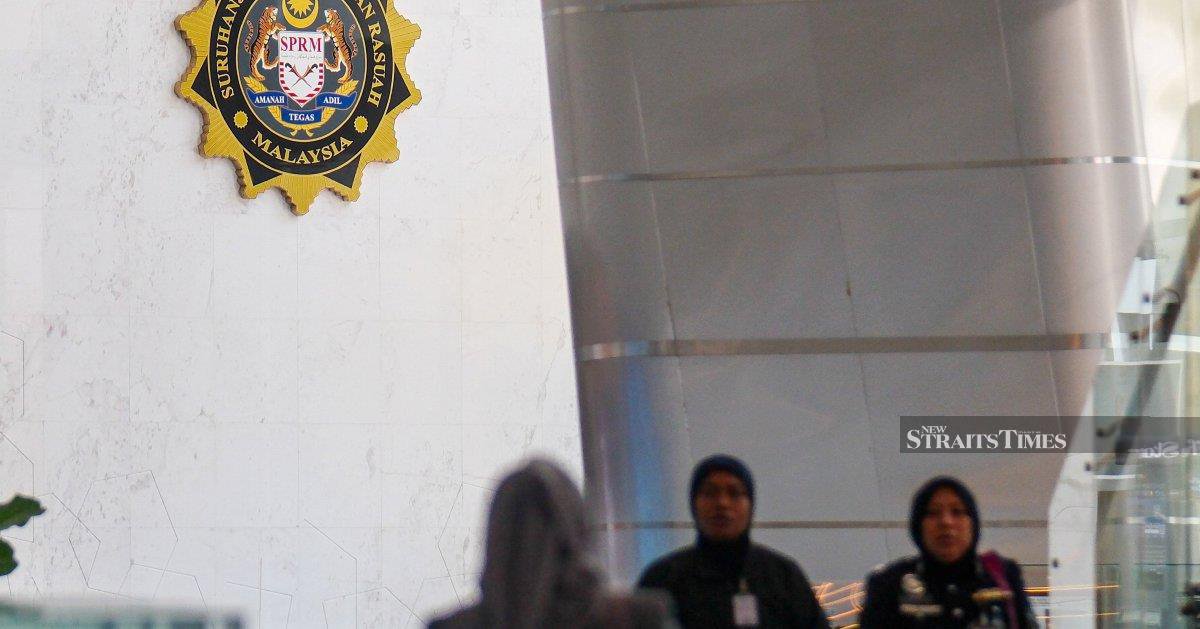
The Malaysian Anti-Corruption Commission has expanded its enforcement action against individuals connected to the Tabung Haji Royal Commission of Inquiry, arresting three more suspects in Putrajaya in relation to an investigation centred on the misappropriation of funds totalling around RM450,000 in Notice of Penalty charges.
The latest detentions represent an escalation in the MACC's crackdown on misconduct within one of Malaysia's most significant Islamic financial institutions. Tabung Haji, the state-owned pilgrimage savings fund that manages the savings of millions of Malaysian Muslims preparing for the hajj pilgrimage, has been under heightened scrutiny following the establishment of the Royal Commission of Inquiry to examine governance and financial irregularities within the organisation.
The Notice of Penalty charges mechanism, which represents administrative penalties rather than criminal convictions, indicates that the alleged violations may involve regulatory breaches or procedural infractions within Tabung Haji's operations. The RM450,000 figure suggests patterns of systematic non-compliance or improper financial handling across multiple instances rather than isolated incidents. Such enforcement actions typically follow comprehensive investigation of internal controls and compliance frameworks that may have failed to prevent or detect misconduct.
The escalating series of arrests signals that investigators have identified broader networks of individuals potentially involved in the alleged irregularities rather than isolated wrongdoing. The three additional detainees join a growing list of people implicated in the ongoing probe, demonstrating the MACC's determination to pursue accountability across the institution's hierarchy and operations. The phased approach to arrests often indicates that investigative teams are methodically building cases with supporting evidence before taking enforcement action.
Tabung Haji's institutional significance to Malaysian society extends beyond its financial role. As a platform through which hundreds of thousands of Malaysian Muslims save for their religious obligation to perform the hajj, the organisation holds considerable public trust and religious importance. Any improprieties within its operations therefore carry implications beyond purely financial considerations, affecting the confidence of depositors and the broader Muslim community in state-managed Islamic financial institutions.
The Royal Commission of Inquiry framework itself reflects the gravity with which authorities approached the investigation into Tabung Haji's operations. Such commissions, typically reserved for matters of substantial public concern, possess broader investigative powers than standard regulatory reviews and can examine systemic issues spanning governance structures, decision-making processes, and institutional culture. The establishment of an RCI suggests that preliminary findings indicated problems extending beyond isolated incidents of individual misconduct.
For Malaysian and Southeast Asian observers, the Tabung Haji case illustrates the challenges facing state-owned enterprises in maintaining robust governance standards and preventing corruption. Religious financial institutions managing public savings face particular scrutiny given the theological dimensions of financial stewardship in Islamic tradition. The MACC's proactive investigation and enforcement actions demonstrate institutional commitment to protecting depositor interests and maintaining the integrity of Islamic finance in Malaysia.
The investigation also carries implications for Malaysia's broader anti-corruption framework. The MACC's ability to pursue cases involving administrative penalties and coordinate with the RCI showcases the integration of different investigative mechanisms in addressing institutional corruption. However, questions about preventive controls and early detection mechanisms remain relevant for other government-linked companies and fund managers managing public or community assets.
The alleged misappropriation involving penalty notices suggests that violations may have involved improper allocation of disciplinary measures, incorrect assessment procedures, or manipulation of administrative processes rather than direct embezzlement of funds. Such violations, while perhaps less visible than dramatic theft cases, can systematically erode institutional integrity and create environments conducive to larger misconduct. Addressing these foundational governance failures forms a crucial component of institutional reform.
Moving forward, the completion of the RCI investigation and subsequent enforcement actions will likely prompt comprehensive reviews of Tabung Haji's internal control systems, compliance frameworks, and governance structures. The recommendations emerging from the commission will carry significance beyond Tabung Haji itself, potentially influencing best practices across other state-owned Islamic financial institutions and religious organisations managing public funds. The case underscores the importance of maintaining institutional independence for investigators and commissions tasked with examining organisations of public importance.
For depositors and prospective pilgrims who rely on Tabung Haji's services, the ongoing investigation and enforcement actions may generate concerns about the safety and proper management of their savings. Regulatory authorities will need to ensure transparent communication about the investigation's scope, the measures being implemented to safeguard funds, and the reforms being undertaken to prevent recurrence of identified problems. Restoring confidence in the institution represents a crucial objective alongside accountability for identified misconduct.

