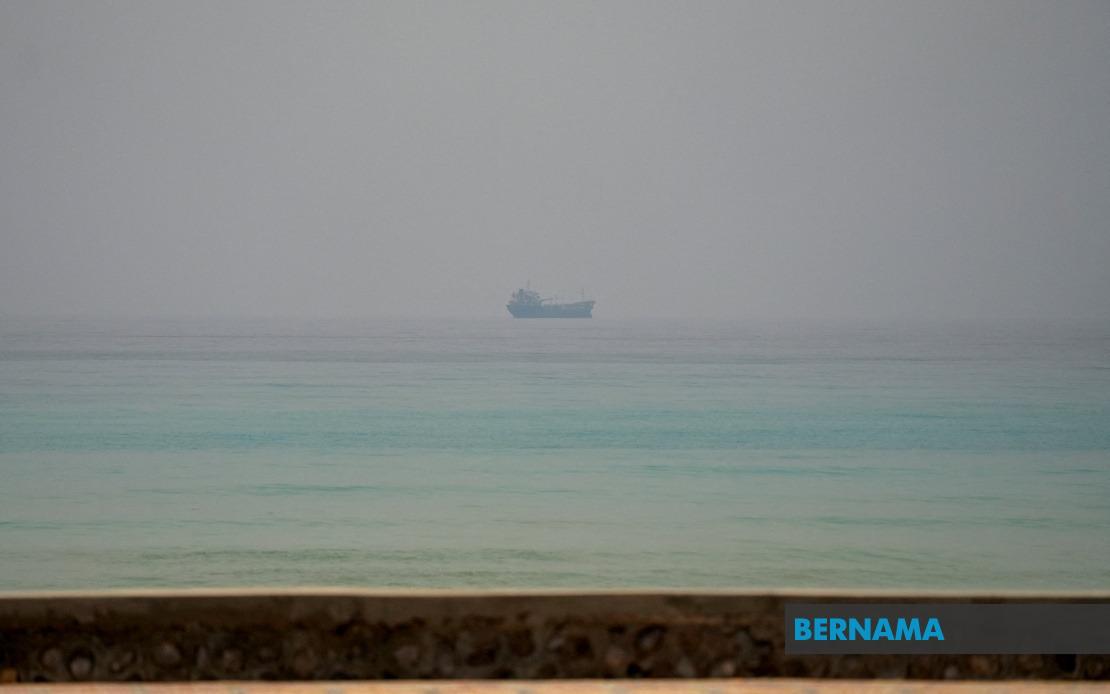
Maritime tensions in one of the world's most strategically vital shipping corridors intensified sharply when three oil tankers came under attack off the coast of Oman on Tuesday. The coordinated nature of the strikes—occurring in separate locations within hours of each other—raised fresh alarm about freedom of navigation through the Strait of Hormuz, a waterway through which roughly one-third of global seaborne oil passes annually. Oman's Maritime Security Centre documented the incidents and reported that three crew members remain unaccounted for, whilst six others sustained injuries of varying degrees.
The first of the three attacks involved the Stolt Magnesium, which was struck approximately 40 nautical miles off South Al Sharqiyah Governorate, operating in waters beyond Oman's territorial jurisdiction. The impact triggered a fire in the vessel's engine room, prompting an immediate evacuation. All 23 crew members aboard were rescued by a nearby merchant vessel and were reported to be in satisfactory condition despite their ordeal. The incident, however, underscored the vulnerability of commercial shipping traffic in the region to projectile attacks originating from unknown sources.
The second attack claimed the Mombasa B, which was struck approximately 8.5 nautical miles off Musandam Governorate's coastline. The strike disabled the tanker's main propulsion system, leaving the vessel adrift and unable to manoeuvre. The ship's crew of 21 was evacuated to safety, though six sustained injuries ranging from minor to moderate. A Royal Navy of Oman vessel dispatched to the scene provided immediate support and monitoring of the disabled vessel. The timing and location of this strike, coming shortly after the Stolt Magnesium incident, suggested a pattern rather than an isolated occurrence.
The third incident involved the Al Bahyah, struck approximately 9.6 nautical miles from Musandam Governorate. Unlike the previous two attacks, this strike had fatal consequences and created an active search-and-rescue operation. Eighteen of the tanker's crew were successfully evacuated, but three seafarers went missing following the attack. A Royal Navy of Oman vessel was deployed to coordinate search operations in the water, though the circumstances surrounding the disappearances remained unclear as investigations continued. The seriousness of this incident was reflected in official confirmations from ADNOC Logistics & Services, the shipping division of Abu Dhabi National Oil Company, which operates both the Al Bahyah and Mombasa B vessels.
ADNOC Logistics & Services confirmed that both its tankers were struck by projectiles whilst transiting the Strait of Hormuz, and reported that one crew member was killed in the attacks. The company's public acknowledgement of the incidents lent additional weight to the gravity of the situation and suggested that the attacks were deliberate rather than accidental. For a state-owned enterprise of the United Arab Emirates, the attacks represented a direct threat to Emirati commercial and economic interests in the region's vital shipping lanes.
The circumstances surrounding these attacks occur against the backdrop of sharply escalating hostilities between the United States and Iran over control of the Strait of Hormuz. Both nations have conducted recent military operations and counter-operations in the strategic waterway, creating an environment of heightened tension that extends to civilian maritime traffic. The incidents off Oman's coast appear inextricably linked to this broader geopolitical struggle, though no parties have yet claimed responsibility for the specific attacks on the three tankers. The pattern of strikes in international waters and areas proximate to Oman suggests either a deliberate intention to avoid Omani territorial waters or a calculated effort to exploit jurisdictional ambiguities.
Oman's Foreign Ministry responded to the incidents by issuing a formal statement emphasising the importance of adhering to international maritime law, restoring freedom of navigation, and safeguarding the passage of commercial vessels through the Strait of Hormuz. The statement reflected Oman's traditional diplomatic role as a mediator in regional disputes and its interest in maintaining the stability of global shipping corridors. As a nation heavily dependent on maritime trade and hydrocarbons exports, Oman has significant incentive to ensure that international commercial shipping remains secure and unimpeded.
For Malaysian readers and Southeast Asian observers, the situation carries particular significance given the region's own reliance on the Strait of Hormuz for energy security and the structural parallels with potential maritime flashpoints in Southeast Asian waters. Malaysia imports substantial quantities of crude oil and liquefied natural gas through distant suppliers, many of whose shipments traverse the Strait of Hormuz. Disruptions to shipping in this corridor inevitably drive up energy costs throughout East and Southeast Asia, affecting everything from fuel prices at the pump to manufacturing competitiveness. The vulnerability of commercial shipping to attacks in international waters raises uncomfortable questions about the sustainability of existing maritime security frameworks and the ability of regional powers to enforce freedom of navigation without escalation.
The missing crew members represent the most immediate human tragedy emerging from Tuesday's incidents, though the broader implications extend far beyond the personal misfortunes of those three individuals and their families. The incidents demonstrate that maritime commerce in the region faces genuine physical risks that neither shipping companies nor flag states can fully control through purely commercial means. Insurance premiums, re-routing costs, and delays imposed by security precautions will eventually be absorbed by consumers throughout the global economy, with energy-importing nations like Malaysia bearing a disproportionate burden.
As search operations continue for the three missing crew members, maritime security agencies throughout the region are reassessing their protocols and capabilities. The Royal Navy of Oman's response to all three incidents suggests a professional and organised response, yet the inability to prevent the attacks in the first place highlights the challenges inherent in protecting dispersed maritime traffic across vast oceanic distances. Intelligence gathering, naval presence, and coordination with international partners remain insufficient to eliminate the risk entirely, particularly in an environment where hostile actors enjoy technological advantages in terms of reconnaissance and strike capability.
The incidents also raise questions about responsibility and accountability in international waters. The Strait of Hormuz passes through the territorial waters of Iran and Oman, yet international law guarantees freedom of passage to all vessels regardless of the geopolitical affiliations of their flag states or operators. This creates a fundamental tension between coastal state sovereignty and international maritime rights, a tension that regional and global powers continue to contest through military posturing and occasional kinetic action. The attacks on the three tankers represent an escalation beyond the abstract diplomatic and strategic level into direct interference with commercial activity, signalling that parties to the broader US-Iran dispute are now willing to impose direct costs on neutral third parties.
Looking forward, maritime insurers and shipping companies will likely respond by demanding higher premiums for transits through the Strait of Hormuz, implementing additional security measures including armed escorts or avoidance of the region altogether through longer alternative routes. Such responses, whilst rational from a commercial perspective, carry their own strategic implications. The deliberate avoidance of the strait would represent a partial victory for whoever orchestrated the attacks, whilst longer routes would increase costs and environmental impacts that reverberate throughout global supply chains. For Malaysia, these developments underscore the importance of maintaining stable relationships with key maritime powers and investing in alternative energy sources and supply routes that reduce dependence on any single corridor.

