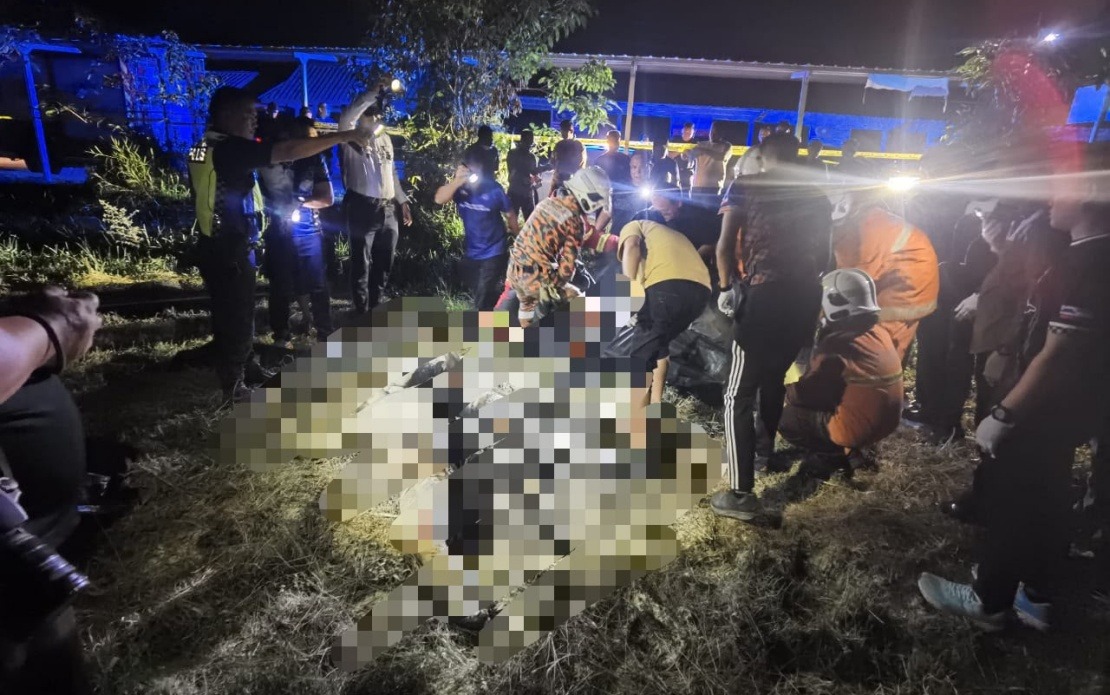
Three police personnel lost their lives in what is suspected to be an electrocution accident on Jalan Weston in Kampung Weston, Beaufort, Sabah on Wednesday afternoon. The incident sent shockwaves through the state's law enforcement community and triggered an immediate emergency response from multiple agencies working to understand what transpired at the location roughly 28 kilometres from the Beaufort Fire and Rescue Station.
The Sabah Fire and Rescue Department received an emergency call at 5.56 pm reporting the electrocution incident. Upon receiving the distress signal, the Beaufort Fire and Rescue Station dispatched a Fire Rescue Tender staffed with seven personnel to respond to the scene. Operations Commander PBK I Irwan Abdul took charge of the rescue operation, coordinating efforts with both the Royal Malaysia Police and representatives from Sabah Electricity to manage the emergency response and secure the area.
Videos circulating on social media platforms captured images of three individuals lying on the roadway with members of the public gathered around the scene. The rapid spread of the footage across social networks highlighted how quickly information, and sometimes speculation, can disseminate in cases involving fatalities and emergency services. The visibility of such incidents on digital platforms often intensifies public concern and raises questions about workplace safety and emergency preparedness in the state.
The exact circumstances surrounding the deaths remain the subject of an active investigation. Authorities have not yet released the identities of the three victims, pending notification of next of kin and completion of initial identification procedures. The specific cause of the electrocution, whether stemming from contact with downed power lines, faulty electrical infrastructure, or other sources of electrical hazard, has not been determined at this stage.
The involvement of Sabah Electricity in the response operation suggests that electrical infrastructure in the area may be central to understanding what occurred. Power distribution systems, particularly in areas undergoing development or maintenance work, can present serious hazards when proper safety protocols are not followed or when equipment malfunctions unexpectedly. The collaboration between emergency services and the electricity provider indicates efforts to establish whether the incident involved the mains distribution network or other electrical equipment.
Electrocution incidents involving multiple fatalities are comparatively rare in Malaysia, making this occurrence particularly significant. When such incidents do occur, they typically prompt reviews of safety procedures, equipment maintenance standards, and protective measures that should have been in place. The involvement of uniformed police officers raises additional concerns about whether they were engaged in official duties at the time or responding to a specific call when the incident occurred.
The Beaufort district, located in the west coast region of Sabah, serves as a hub for local administration and law enforcement operations. The loss of three officers simultaneously represents a substantial impact on the operational capacity of local police units and has personal ramifications for colleagues who worked alongside the deceased. Such tragedies often lead to enhanced focus on occupational health and safety across police operations in the region.
For Malaysian workplaces generally, incidents of this nature underscore the critical importance of electrical safety training and the proper use of personal protective equipment when working near or around electrical systems. Standards set by occupational safety regulations exist to prevent precisely these kinds of fatalities, and investigations into such incidents typically examine whether proper procedures were followed and whether equipment met required safety specifications.
The authorities' commitment to releasing updated information as investigations progress reflects recognition of public interest in understanding how such a tragedy could occur. Official inquiries will likely examine whether warning systems were functional, whether appropriate signage existed to alert personnel to electrical hazards, and whether the individuals involved had received proper safety briefings relevant to their tasks.
This incident also highlights the dangers that law enforcement officers can face in their line of duty beyond the more commonly recognized threats of violence or traffic accidents. Police personnel responding to various calls or engaged in routine duties may encounter hazardous conditions, and this case demonstrates the importance of comprehensive hazard assessments and inter-agency coordination when responding to emergencies.

