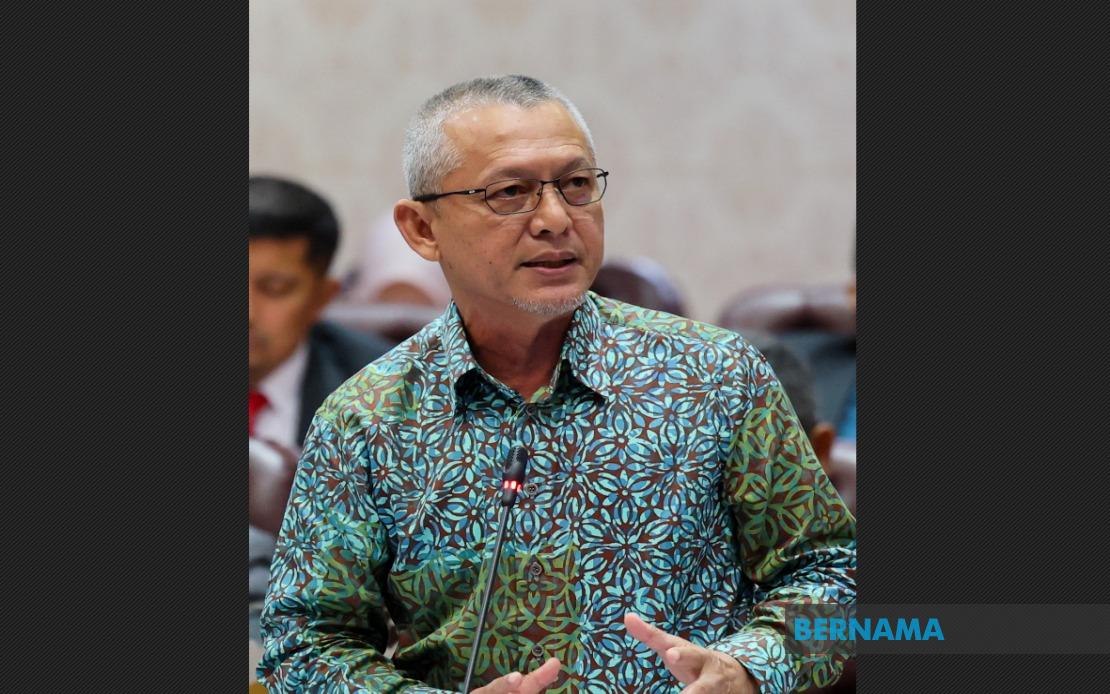
A significant reshuffle is underway within Bersatu's Terengganu chapter as three prominent party figures have announced their resignations from leadership roles. Datuk Razali Idris, the state party chief, submitted his resignation letter to party president Tan Sri Muhyiddin Yassin on July 16, marking the first in what appears to be a coordinated departure of key figures from the state's party machinery. Alongside him, two state assembly members have similarly stepped down from their respective positions, signalling potential internal tensions within the party's state organization.
Razali Idris, who also serves as a member of the Terengganu State Executive Council, revealed that the party's central leadership has yet to formally acknowledge his resignation letter or provide any decision on whether it will be accepted or rejected. This lack of response from headquarters, more than three weeks after the initial submission, suggests either bureaucratic delays or possible reluctance from the top tier to lose experienced party operatives from the state level. The silence from Muhyiddin's office contrasts with the clarity of the resignations themselves, raising questions about how seriously the national leadership treats these departures.
Beyond his role as state party chief, Razali indicated his intention to resign as the Marang Bersatu division chief by mid-August, though he has temporarily postponed this announcement to complete certain administrative duties. His methodical approach to stepping down, coupled with his stated commitment to finishing assigned responsibilities, suggests the departure is orderly rather than precipitous. This measured response stands in contrast to what might otherwise appear as a dramatic exodus from party leadership, indicating that personal honour and professional obligation remain paramount even as these figures distance themselves from their party posts.
Mohd Zawawi Ismail, the Telemong state assemblyman, has resigned from his position as the Terengganu State Bersatu information chief, while Mohd Husaimi Hussin, the Hulu Besut assemblyman, has stepped down as the State Bersatu treasurer. Both legislators confirmed their resignations to news agencies and pledged to submit formal letters to the central Bersatu leadership detailing their departures from party positions. The involvement of two state assembly members in this movement suggests the discontent or shifting priorities may extend beyond the party apparatus to encompass elected representatives themselves, potentially affecting Bersatu's legislative capacity in Terengganu.
Crucially, all three departing figures emphasized that their resignations from party positions do not constitute a withdrawal from Bersatu membership itself. This distinction is significant in Malaysian political culture, where maintaining formal party membership while resigning from leadership roles can sometimes serve as a prelude to further moves or might instead reflect an intention to remain involved without bearing the burden of administrative responsibility. Their clarification indicates they are not crossing over to rival parties—at least not immediately—but rather are stepping back from the management and representation of party interests at the state level.
The timing of these resignations, coming during what appears to be a challenging period for Bersatu in Terengganu, warrants closer examination. The party has faced organizational challenges in various states, and Terengganu's Bersatu chapter may be experiencing its own internal difficulties that prompted these simultaneous departures. Without explicit statements regarding motivations, observers can only speculate on whether the resignations stem from policy disagreements, personal disputes, dissatisfaction with central leadership direction, or simply a desire for these individuals to focus on their legislative and executive responsibilities.
For Malaysian readers following national politics, this development carries implications for Bersatu's organizational strength at the state level. The party has worked to establish itself as a significant political force since its inception, and losing experienced figures from state leadership structures can undermine those efforts. In Terengganu, where the state government comprises multiple coalition partners, any weakening of internal party cohesion could complicate governance or affect the party's negotiating position within the ruling structure.
The situation also highlights the ongoing challenges many Malaysian political parties face in retaining talented personnel and maintaining organizational morale. Whether these resignations represent isolated incidents or point to broader dissatisfaction within Bersatu's ranks remains unclear. The party's national leadership will need to address not only the formal acceptance or rejection of these resignation letters but also the underlying concerns that prompted three respected state-level figures to step down simultaneously.
Looking ahead, observers will watch whether additional resignations follow or whether Bersatu can stabilize its Terengganu organization through internal dialogue and potential reforms. The party's response to this challenge—whether it demonstrates flexibility and understanding or takes a rigid stance—may influence how other state-level figures perceive their prospects and loyalty to the party. For Malaysian politics more broadly, these developments in Terengganu serve as a reminder that coalition governments and multi-party structures require constant attention to internal relationships and party cohesion to function effectively.

