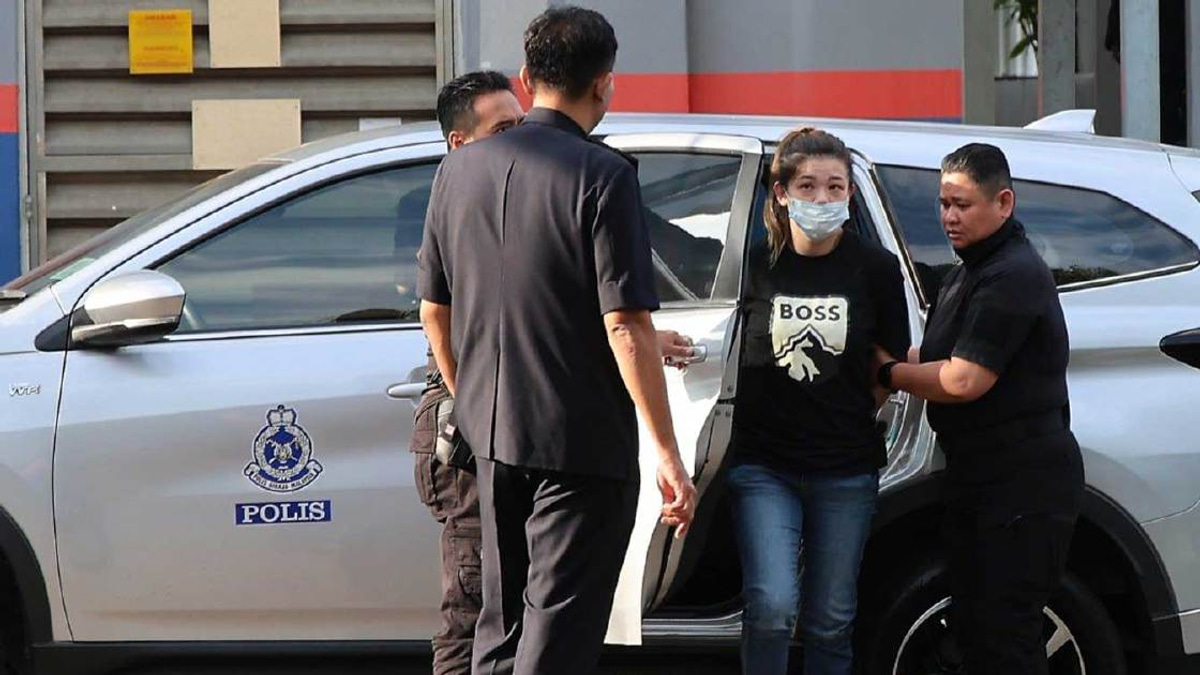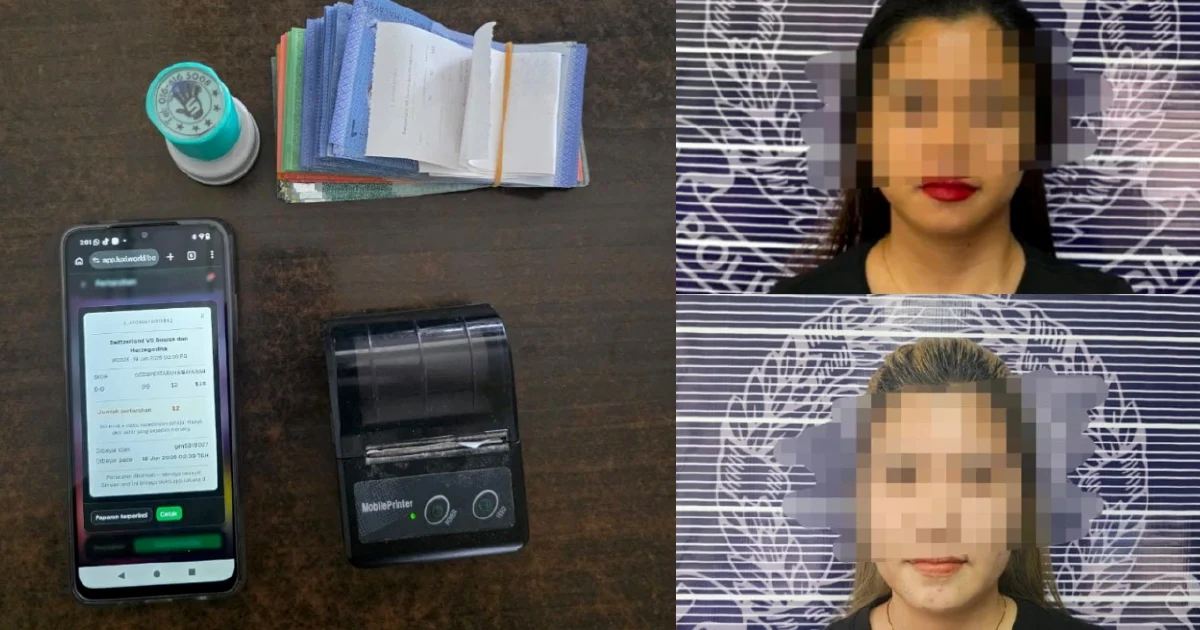
Three women in Kuching are facing remand following police operations that uncovered their involvement in coordinating illegal gambling activities centred on the forthcoming 2026 FIFA World Cup. The arrests, carried out across multiple locations within the district on a single day, represent a coordinated enforcement effort targeting the underground betting network that operates parallel to licensed gaming channels in Malaysia.
The suspects are alleged to have functioned as intermediaries in a scheme designed to collect wagers from bettors eager to place money on World Cup matches and outcomes. Operating through separate cells, the women are believed to have managed networks of players and handled transaction arrangements on behalf of larger criminal operations. Such roles are considered crucial to the functioning of illegal gambling syndicates, as agents serve as the primary contact point between organisers and individual gamblers, reducing direct exposure for higher-level operators.
World Cup betting remains a perennial enforcement priority for Malaysian police, particularly during major tournament periods when illegal gambling activity surges dramatically. The scale of underground betting during international football competitions is substantial, drawing participants across multiple social strata and generating significant illegal revenue flows. The 2026 tournament, still two years away, is already becoming a focal point for such operations as organisers position themselves ahead of what promises to be a profitable window.
The timing of these arrests reflects a broader strategic approach by law enforcement to dismantle betting networks proactively rather than waiting until tournament fever peaks. By targeting lower-tier operatives like agents, police aim to disrupt operational networks and gather intelligence about wider criminal structures. Such intelligence can guide subsequent investigations targeting higher-ranking individuals who fund and coordinate these activities across regions.
Kuching, as Sarawak's largest city and a major commercial hub, has historically served as a base for various illicit operations due to its position and cross-border accessibility. The presence of sophisticated illegal betting networks in the city reflects both the lucrative nature of such enterprises and the technical infrastructure available to operators seeking to conduct underground financial transactions. Police presence in Kuching has intensified in recent years as authorities grapple with organised crime challenges spanning multiple sectors.
The remand process initiated against the three suspects follows standard procedures in Malaysia for serious criminal matters. During remand, police conduct interrogations aimed at establishing the operational scope of the betting scheme, identifying financial flows, and tracing connections to other network members. Information extracted during this phase frequently leads to additional arrests and helps authorities map the structure of larger criminal organisations orchestrating these activities.
Illegal betting operations represent a significant enforcement challenge in Malaysia, where such activities remain prohibited outside licensed operators regulated by the government. The appeal of underground betting derives partly from higher odds, greater flexibility in stake amounts, and the anonymity such arrangements provide to participants. Enforcement agencies must balance resource allocation between disrupting these networks and addressing other serious crimes, creating ongoing challenges in combating the problem at scale.
The involvement of female operatives in these networks is notable, as women are frequently recruited into middle-management roles within gambling syndicates. Such recruitment patterns reflect both the gendered nature of criminal networks and the particular vulnerabilities of certain populations to coercion or economic necessity. Understanding these dynamics is essential for developing enforcement strategies that address root causes rather than merely cycling through arrest-and-prosecution cycles.
For Malaysian football fans and bettors, the existence of parallel illegal betting markets underscores the ongoing tension between demand for gambling opportunities and regulatory frameworks designed to control such activities. The government's approach of maintaining relatively limited legal betting options—primarily through licensed operators like Sports Toto—creates the regulatory space within which illegal operators thrive. Policymakers continue debating whether expanding legal options might reduce underground market share, though such discussions remain controversial within Malaysia's conservative political context.
The 2026 World Cup will be co-hosted by the United States, Canada, and Mexico, marking the tournament's first expansion to 48 teams and generating unprecedented interest globally. For Southeast Asia, the expanded format promises increased engagement and, correspondingly, heightened betting activity. Malaysian enforcement agencies are likely to sustain intensified operations throughout the lead-up to the tournament, recognising that proactive intervention during the preparatory phase may prove more effective than reactive responses once betting fever consumes the region.
Police investigations into the three arrested women continue, with authorities examining their roles, financial transactions, and connections to broader criminal networks. The intelligence gathered from these operations will inform future enforcement priorities and potentially guide investigations in neighbouring states where similar betting syndicates operate. Success in dismantling these networks depends not merely on arresting individual operatives but on disrupting the organisational structures and financial mechanisms that enable illegal betting to flourish across Malaysia's diverse communities.
%22%2F%3E%3C%2Fpattern%3E%3C%2Fdefs%3E%3Crect%20width%3D%22100%25%22%20height%3D%22100%25%22%20fill%3D%22url(%23ph4n81lg)%22%2F%3E%3Crect%20width%3D%22100%25%22%20height%3D%22100%25%22%20fill%3D%22url(%23ph4n81lp)%22%2F%3E%3Ctext%20x%3D%2250%25%22%20y%3D%2250%25%22%20text-anchor%3D%22middle%22%20dominant-baseline%3D%22central%22%20fill%3D%22rgba(255%2C255%2C255%2C0.95)%22%20font-family%3D%22Georgia%2C%20'Times%20New%20Roman'%2C%20serif%22%20font-weight%3D%22700%22%20font-size%3D%22272%22%20letter-spacing%3D%22-0.02em%22%3EAnwar%3C%2Ftext%3E%3C%2Fsvg%3E)