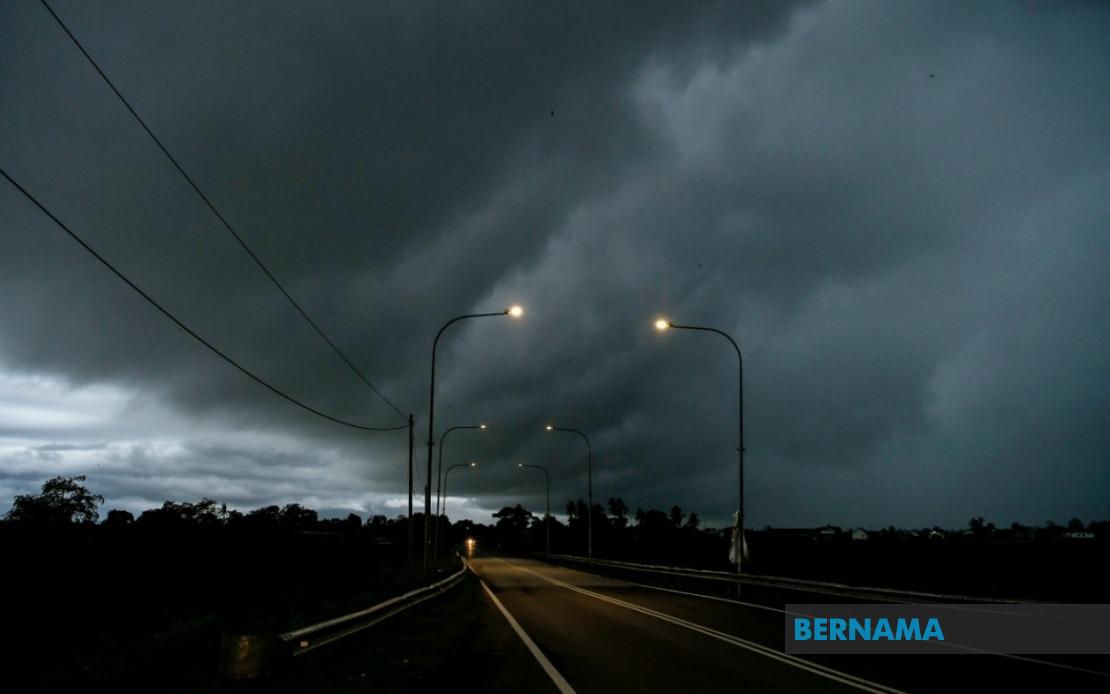
The Malaysian Meteorological Department has activated a widespread alert for severe weather systems affecting a significant swath of the country, with thunderstorms, heavy precipitation and powerful wind gusts expected to persist until 6 pm today. The advisory encompasses territories across both Peninsular Malaysia and the East Malaysian states of Sarawak and Sabah, suggesting a broad atmospheric disturbance capable of generating hazardous conditions for residents and travellers in affected districts.
In the northern region, the warning extends across Perlis in its entirety, alongside specific districts within Kedah including Padang Terap, Kuala Muda, Sik, Baling, Kulim and Bandar Baharu. The advisory also covers substantial portions of Perak, designated areas being Kerian, Larut, Matang and Selama, Hulu Perak, Kuala Kangsar, Kinta, Kampar, Batang Padang and Muallim. These northern and northwestern zones are particularly vulnerable during such weather systems due to geographical and topographical factors that can channel moisture-laden winds from both the Andaman Sea and the South China Sea.
The east coast of Peninsular Malaysia remains under particular scrutiny, with Kelantan experiencing alerts across seven identified districts: Pasir Mas, Jeli, Tanah Merah, Machang, Pasir Puteh, Kuala Krai and Gua Musang. Terengganu has been placed entirely under the warning umbrella, reflecting the potential severity across this coastal state. Several districts in Pahang also feature in the alert, encompassing both highland and lowland areas from Cameron Highlands and Lipis in the interior to Kuantan, Pekan and Rompin towards the coast. The inclusion of highland areas like Cameron Highlands suggests that even elevated regions face risks from torrential downpours and associated flooding dangers.
Central and southern Peninsular Malaysia experiences a more limited but still significant impact zone. In Selangor, only Hulu Selangor district faces the anticipated severe weather, though this region's position upstream of major river systems means heavy rainfall could have downstream implications for the broader Klang Valley. Johor's affected localities include Batu Pahat, Kluang, Mersing, Pontian, Kulai, Kota Tinggi and Johor Bahru, with the inclusion of multiple southern districts suggesting the weather system extends across a considerable longitudinal range. Mersing and Kota Tinggi on the east coast are particularly prone to flooding during intense rainfall events.
In Sarawak, the warning covers numerous locations distributed across the state's diverse geography. Affected areas comprise Kuching (including the districts of Bau and Kuching proper), Betong (Saratok and Kabong), Sarikei, Sibu (encompassing Sibu and Selangau), Mukah, Bintulu, Miri (covering Subis, Beluru, Miri and Marudi), and Limbang. This extensive coverage indicates that weather systems affecting Sarawak often develop considerable geographic reach across the state's considerable expanse.
Sabah similarly faces substantial risks with alerts issued for multiple regions. The Interior division districts including Sipitang, Tenom, Kuala Penyu, Beaufort and Tambunan are covered, alongside the West Coast division, Beluran in Sandakan and areas around Kudat. The inclusion of interior districts reflects how orographic effects can intensify rainfall in mountainous terrain, creating localised flooding and landslide hazards particularly relevant in Sabah's topographically complex landscape.
Thunderstorm warnings in Malaysia typically demand immediate attention from residents, as the combination of heavy rain, strong winds and lightning poses multiple hazards. Severe rainfall can overwhelm drainage systems and trigger flash flooding, particularly in low-lying areas, river valleys and urban zones with inadequate stormwater infrastructure. Strong gusty winds accompanying such systems can damage structures, uproot vegetation and create hazards for motorists, especially on exposed highways and bridge crossings. Lightning strikes present acute danger to anyone caught outdoors or in inadequately protected structures.
For motorists and commuters in affected areas, the advisory carries practical implications. Visibility reduction due to heavy rainfall combined with treacherous road conditions from water accumulation necessitates reduced speeds and heightened caution. Drivers should avoid crossing flooded roads, as the true depth of water cannot be visually assessed and vehicle buoyancy can be exceeded surprisingly quickly. Public transportation operators may face schedule disruptions due to both safety concerns and infrastructure challenges.
The geographic breadth of this warning across such diverse terrain from coastal lowlands to highland regions suggests a robust weather system with sufficient energy to generate significant precipitation across multiple zones. For Malaysian residents in these areas, practical preparedness measures include securing loose outdoor objects, monitoring local drainage patterns and maintaining awareness of evacuation procedures should flooding develop. Electrical safety becomes paramount, with recommendations to avoid outdoor activities and defer non-essential outdoor work until the system passes through. Checking on vulnerable family members and neighbours represents an important community resilience measure during such events.

