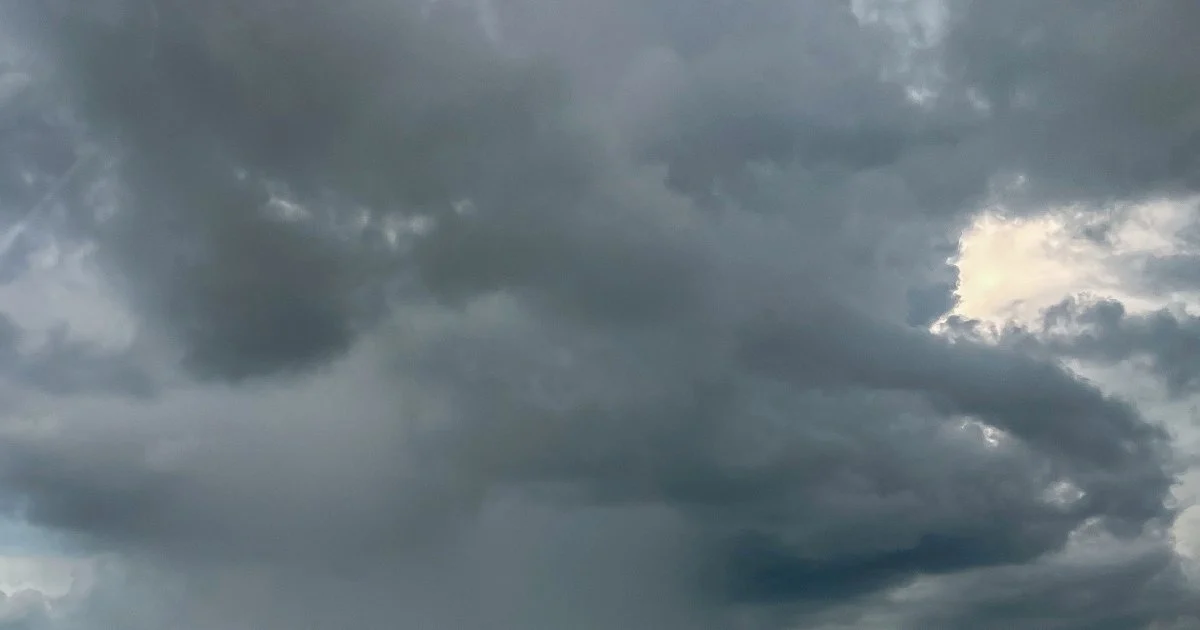
The Malaysian Meteorological Department has activated a thunderstorm warning for four northern states, alerting residents to prepare for heavy downpours and potentially damaging wind conditions expected to persist until noon today. The alert underscores the volatile atmospheric conditions building across the region as the northern peninsular states face the combined hazards of intense precipitation and forceful gusts that could affect both daily life and outdoor activities.
Thunderstorms of this intensity present multiple hazards to communities and infrastructure. Heavy rainfall in a compressed timeframe raises the risk of sudden flooding in low-lying areas, drainage systems, and roads prone to water accumulation. Strong winds accompanying such storms can topple weakened structures, damage power lines, and create hazards for vehicles on highways where lateral gusts destabilise steering. The morning window until noon gives residents a limited timeframe to implement protective measures.
Residents across the affected northern states should secure any loose outdoor items, including signage, flowerpots, and garden furniture that could become projectiles in strong winds. Those planning outdoor activities or commuting during this period should consider rescheduling non-essential journeys and monitor real-time weather updates from official MetMalaysia channels. Drivers navigating highways should exercise heightened caution, reducing speed and maintaining greater following distances from other vehicles, particularly during heavy downpour phases when visibility diminishes sharply.
The thunderstorm advisory reflects the unpredictable weather patterns that characterise Malaysia's tropical climate during transitional monsoon periods. The northern states, including Kedah, Perlis, Penang, and areas of Perak, frequently experience such convective weather systems where warm, moist air masses generate powerful updrafts and produce towering cumulonimbus clouds. These atmospheric conditions develop rapidly and can intensify quickly, sometimes with limited advance warning despite meteorological monitoring.
MetMalaysia's issuance of this alert demonstrates the growing sophistication of Malaysia's weather forecasting infrastructure. Real-time radar monitoring, satellite imagery, and atmospheric modelling enable meteorologists to detect developing storm systems hours in advance, providing critical lead time for public advisories. This predictive capacity, while imperfect given the inherent complexity of thunderstorm formation, has substantially improved public safety outcomes by allowing communities to prepare rather than react to dangerous conditions.
For agricultural communities across the northern states, such sudden intense rainfall can have mixed consequences. While the moisture benefits crops and replenishes water reserves, the violence of thunderstorms—particularly strong downdrafts and hail—can damage crops, particularly delicate plant species and those approaching harvest. Livestock farmers should ensure that animals have secure shelter and that fencing remains intact to prevent animals from bolting during frightening electrical storms.
The warning carries particular significance for transportation networks spanning northern Malaysia. The North-South Expressway and other major routes carry significant traffic volumes, and sudden visibility reduction combined with strong winds creates serious accident risks. Commercial drivers and public transport operators should communicate weather conditions to their networks and adjust schedules proactively rather than attempting operations through the worst of the convective weather.
Malaysian residents should maintain awareness of MetMalaysia's official channels, including the department's website and mobile application, for updated forecasts and any extensions to the warning period. Weather alerts beyond the stated noon cutoff would signal that systems are moving more slowly than initially projected. This information proves essential for businesses, schools, and organisations making decisions about operations and scheduling during the warning period.
Historically, northern Malaysian states experience such thunderstorm activity regularly during specific seasonal windows, though individual storm intensity and timing remain variable. Communities that have endured previous incidents often develop institutional memory about which areas face heightened flooding risk and establish informal early-warning systems through local networks. These grassroots preparedness measures complement official meteorological guidance and help vulnerable populations respond swiftly.
The broader regional context suggests that this thunderstorm system may reflect larger-scale atmospheric patterns affecting Southeast Asia more broadly. Understanding whether this warning represents an isolated weather event or part of a transitional phase affecting multiple nations helps regional planners assess resource requirements and coordinate disaster response capacities across borders. MetMalaysia shares weather information regularly with other national meteorological services throughout ASEAN, contributing to collective regional understanding of atmospheric dynamics.
For businesses operating across northern Malaysia, the brief warning window demands rapid decision-making. Manufacturing facilities, retail operations, and service providers should verify that backup power systems function properly and that critical infrastructure connections remain protected. Construction sites should secure equipment and implement additional safety protocols, as incomplete structures face heightened wind damage risk during intense thunderstorms.
As climate patterns continue shifting, Malaysian communities should anticipate that extreme weather events—including intense thunderstorms—may occur with greater frequency or unpredictability. Building long-term community resilience through improved drainage infrastructure, stronger building codes, and comprehensive public education about weather safety represents the strategic approach to managing these recurring natural hazards.

%22%2F%3E%3C%2Fpattern%3E%3C%2Fdefs%3E%3Crect%20width%3D%22100%25%22%20height%3D%22100%25%22%20fill%3D%22url(%23ph4sh09g)%22%2F%3E%3Crect%20width%3D%22100%25%22%20height%3D%22100%25%22%20fill%3D%22url(%23ph4sh09p)%22%2F%3E%3Ctext%20x%3D%2250%25%22%20y%3D%2250%25%22%20text-anchor%3D%22middle%22%20dominant-baseline%3D%22central%22%20fill%3D%22rgba(255%2C255%2C255%2C0.95)%22%20font-family%3D%22Georgia%2C%20'Times%20New%20Roman'%2C%20serif%22%20font-weight%3D%22700%22%20font-size%3D%22272%22%20letter-spacing%3D%22-0.02em%22%3EAnwar%3C%2Ftext%3E%3C%2Fsvg%3E)