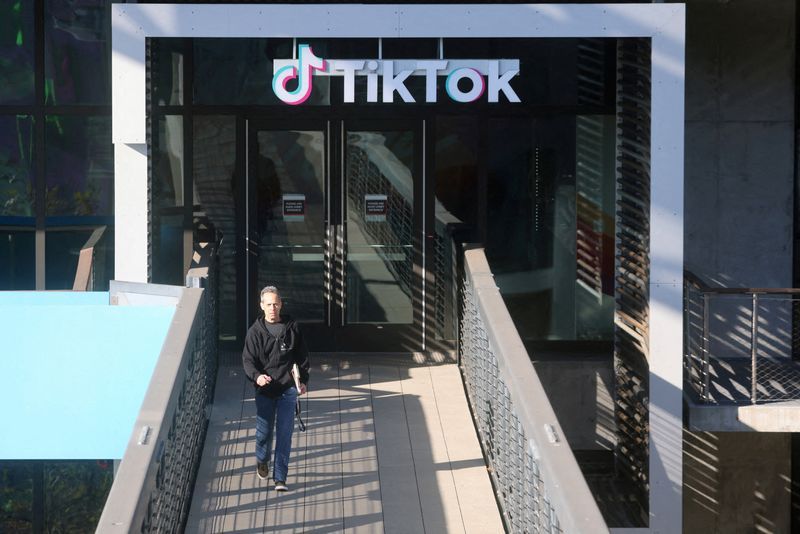
TikTok has agreed to settle a lawsuit filed by a minor who alleges that prolonged use of the platform caused significant damage to his mental wellbeing, according to Morgan & Morgan, the law firm representing the plaintiff. While the settlement has been agreed to in principle, the precise terms and conditions remain under negotiation and have not yet been finalised, the firm confirmed on Tuesday. This development marks another significant milestone in the expanding body of litigation targeting major social media platforms over their alleged contributions to youth mental health deterioration across the United States.
The case, which originated in California state courts, centres on a 15-year-old identified as R.K.C. from Florida who began engaging with social media platforms at approximately eight years old. According to court documents, the teenager subsequently developed a dependency on social media use, which manifested in disrupted sleep patterns, clinical depression, and anxiety symptoms. The lawsuit initially named four major technology companies: Google's YouTube division, Meta's Instagram, Snap Inc's Snapchat, and ByteDance's TikTok, making it a comprehensive action against the dominant players in the social media ecosystem.
For Malaysia and Southeast Asia, the TikTok settlement carries particular weight given the platform's enormous popularity across the region. With millions of Malaysian users—particularly teenagers and young adults—relying on TikTok for entertainment, social connection, and information consumption, questions about the platform's impact on mental health are increasingly pertinent to local communities. The settlement represents an implicit acknowledgment of potential harms that could resonate with parents, educators, and policymakers across Southeast Asia who are grappling with similar concerns about youth screen time and digital wellbeing.
The timeline of these settlements illuminates the accelerating legal pressure on social media giants. YouTube, also a Google property, reached its own settlement in June, preceding TikTok's agreement. This sequential pattern of companies capitulating to litigation suggests growing judicial and public acceptance of arguments linking social media design to mental health deterioration among young users. The remaining defendants, Instagram and Snapchat, are scheduled to proceed to trial in July, meaning that unless they reach their own settlements, courts will soon hear detailed arguments about algorithmic design choices, engagement mechanisms, and their psychological effects on minors.
The broader context of this litigation reflects a fundamental shift in how American courts approach technology liability. Rather than treating social media platforms as neutral distributors of user-generated content, courts are increasingly examining the deliberate design choices that maximise user engagement—a metric that, critics argue, comes at the cost of mental health. Features such as infinite scrolling, personalised recommendations, and notification systems are now being scrutinised as potentially addictive mechanisms designed to capture and retain user attention. For R.K.C., these mechanisms reportedly proved compelling enough to disrupt his sleep, trigger psychological distress, and interfere with his overall functioning during critical developmental years.
The settlement's implications for platform accountability extend beyond individual compensation. Each agreement strengthens the legal precedent that platforms can be held financially responsible for harms allegedly stemming from their services. This emerging doctrine of social media liability may influence how regulators in other jurisdictions, including Malaysia and other Southeast Asian nations, approach technology oversight. Regional authorities currently navigating complex questions about digital platform regulation can point to these American settlements as evidence that courts are willing to impose consequences on companies that fail to adequately protect young users.
From a regulatory perspective, Malaysia's Communications and Multimedia Content Forum and other oversight bodies may find these cases instructive. The settlements suggest that voluntary industry self-regulation has proven insufficient to address mental health concerns, potentially justifying more prescriptive government intervention. Other Southeast Asian countries with younger demographics and rapidly growing digital adoption rates face similar challenges, and the outcome of these social media cases could inform regional policy responses to youth mental health crises increasingly linked to digital technology use.
The psychological profile described in R.K.C.'s lawsuit—early adoption of social media, progressive addiction, sleep disruption, and mood disorders—reflects patterns that mental health professionals increasingly document among adolescents throughout Southeast Asia. The combination of high smartphone penetration, limited digital literacy education, and minimal regulatory oversight in some countries creates an environment where young people face potentially greater vulnerability to the documented harms that TikTok and other platforms are now being held accountable for in American courts. Parents and educators across the region confronting these issues may find vindication in legal systems finally acknowledging what many have long suspected.
The unresolved details of TikTok's settlement agreement remain significant. The amount of compensation, any admission of wrongdoing, and potential commitments to alter platform features could substantially affect how other cases proceed. If TikTok's settlement involves substantial financial consequences and meaningful commitments to reduce addictive design elements, it may accelerate similar legal actions in other jurisdictions and strengthen arguments for regulatory intervention in Malaysia and elsewhere. Conversely, if the settlement proves modest in scope, it might embolden platforms to litigate remaining cases aggressively.
With Instagram and Snapchat cases proceeding to trial, the coming weeks will provide crucial insight into how courts weigh evidence about social media's mental health impact. These trials represent an unprecedented opportunity to examine, under oath and cross-examination, how platforms engineer user engagement and what knowledge company executives possess regarding psychological effects on young users. The outcome could fundamentally reshape platform accountability worldwide, including in Southeast Asia, where technology companies have largely operated under minimal constraint.

