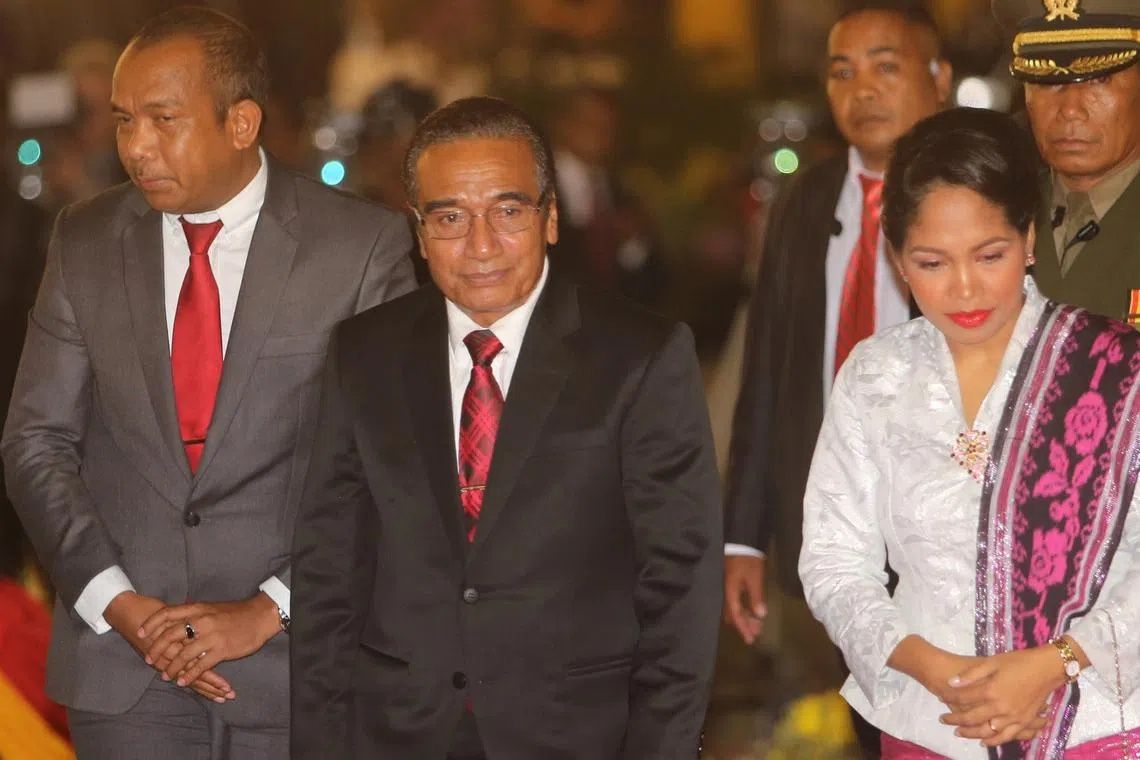
Timor-Leste entered a period of national mourning on June 22 following the death of former president Francisco "Lu-Olo" Guterres, who passed away over the weekend at a Malaysian medical facility. The 71-year-old's passing marks the loss of one of Southeast Asia's most significant post-colonial figures—a man whose personal journey mirrored his nation's turbulent path to independence and democratic governance. His leadership spanned a critical period in the young nation's consolidation of statehood, and his legacy remains deeply intertwined with Timor-Leste's identity.
Guterres rose to prominence as a prominent figure within Timor-Leste's armed independence movement, spending decades engaged in the political and military struggle that ultimately secured the nation's sovereignty from Indonesia in 2002. That independence culminated a brutal 24-year occupation during which tens of thousands of Timorese lost their lives. His credentials as a freedom fighter lent him considerable moral authority when he eventually transitioned into electoral politics, reflecting the common pattern in post-colonial Southeast Asia where liberation war veterans assume formal state leadership.
As president from 2017 to 2022, Guterres held the highest constitutional office during a formative period for the fledgling democracy. He commanded more than 57 percent of votes in the 2017 presidential election, securing his position as Timor-Leste's sixth president. His tenure occurred as the nation worked to strengthen institutional capacity, address post-conflict reconciliation challenges, and navigate complex regional relationships. The presidency represented the culmination of his decades-long political involvement, though it also exposed him to the constraints and controversies inherent in democratic governance.
Guterres's electoral fortunes shifted in 2022 when he sought reelection but faced defeat in a runoff ballot against Nobel Peace Prize laureate Jose Ramos-Horta, who currently occupies the presidential office. Despite this electoral setback, Ramos-Horta acknowledged his predecessor's contributions to the nation, describing Guterres as a "great patriot" whose passing constituted "a great loss for the nation." This gracious acknowledgment from a political rival underscores the respect that Guterres commanded across Timor-Leste's political spectrum, transcending partisan divisions.
The government's formal response to his death reflected his stature within national institutions and collective memory. Officials ordered flags at public buildings, embassies, and consulates to be flown at half-mast throughout the week of mourning. The administration extended formal condolences to Guterres's immediate family, the Revolutionary Front for an Independent East Timor (Fretilin) party that he once led, and the broader population. These ceremonial gestures recognised both his individual significance and his symbolic importance as an embodiment of Timor-Leste's independence struggle.
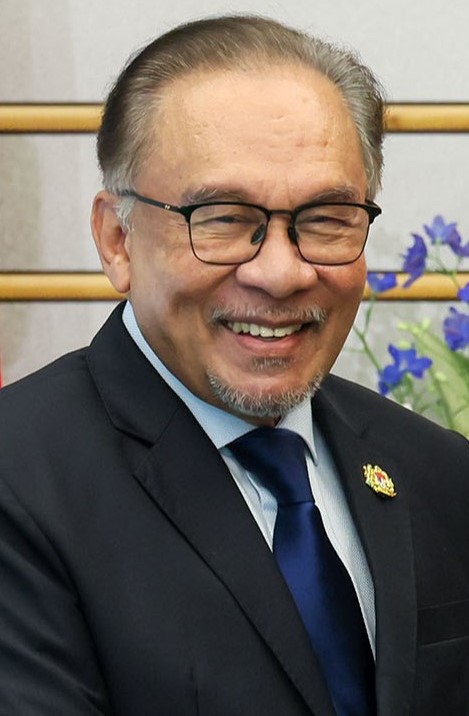
Guterres's body is expected to return to Dili, the capital, on Tuesday, according to his brother Domingos Guterres, who spoke to reporters about ongoing funeral arrangements. The logistics of repatriating his remains from Malaysia underscores the medical interconnections within Southeast Asia, where citizens of smaller nations frequently seek healthcare in larger regional hubs. The Malaysian context carries particular significance given Prime Minister Datuk Seri Anwar Ibrahim's public expression of sorrow, in which he stated that Malaysia "mourns his passing alongside the Timorese people" and pledged that Guterres "will be remembered here with respect and affection."
Guterres's family requested privacy during this period of grief, appealing to the public to respect their need for quiet reflection while the nation simultaneously paid collective tribute to his legacy. This tension between private mourning and public commemoration reflects the complexity of honouring a transformative historical figure whose life intersected repeatedly with major national events. The family's statement emphasised their appreciation for prayers and tributes whilst drawing boundaries around their personal space during funeral preparations.
From a regional perspective, Guterres's death carries implications for understanding Southeast Asia's post-independence generation of leaders. His trajectory from guerrilla combatant to elected president encapsulates patterns observed across the region, where armed liberation struggles produced many of the individuals who shaped successor states. His relatively recent departure from high office, combined with his continued prominence in national discourse, meant that Timorese citizens could assess his full presidential record rather than rely solely on myth-making.
The passing of figures like Guterres prompts reflection on institutional continuity and generational transition in young democracies. Timor-Leste, having achieved independence only two decades before Guterres's death, remains in a period where founding-generation leaders remain active in politics and public life. The country's ability to move beyond personalised leadership and toward institutional governance represents an ongoing challenge that shapes both domestic stability and regional relationships. Guterres's presidency, whatever its specific achievements or limitations, occurred during this critical consolidation phase.
Guterres's humble origins—rising from ordinary circumstances to become a liberation war commander and ultimately head of state—embodied possibilities that resonated profoundly with many Timorese citizens. His life narrative suggested that individual agency and collective struggle could reshape national destinies, a message with enduring appeal in societies still negotiating their post-colonial identities. Whether evaluated for specific policy decisions or honoured primarily as a symbol of resistance and independence, Guterres occupied an irreplaceable position in Timorese collective consciousness.