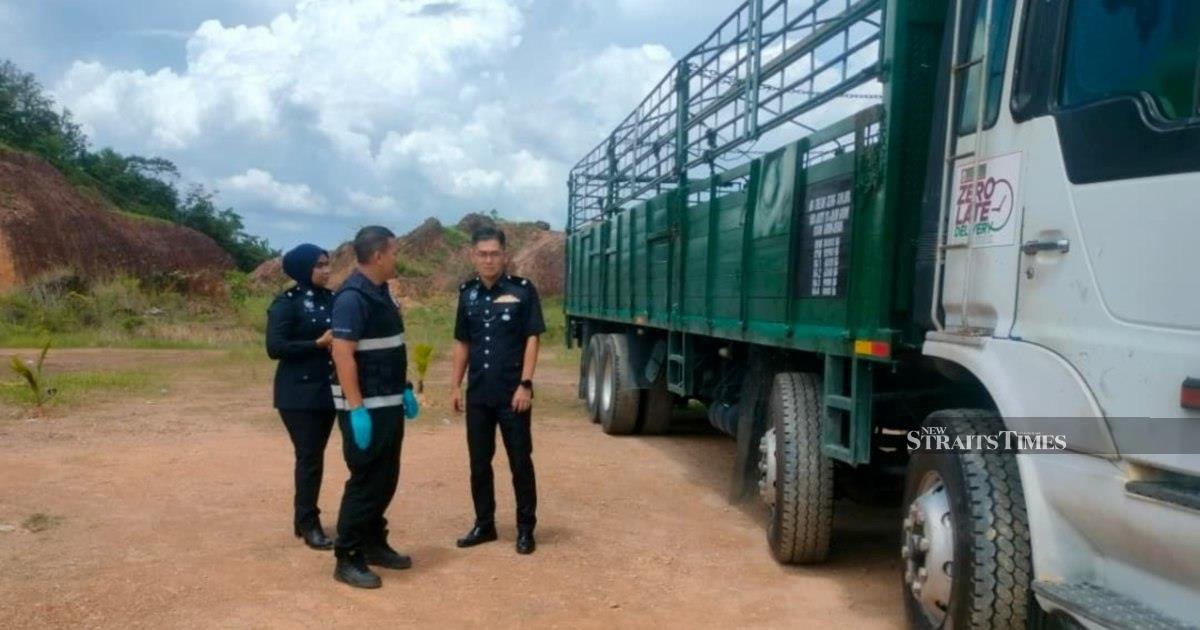
A young child's life has ended in tragedy in Kampung Bukit Kuang, Sungai Petani, after a reversing lorry struck her at the family home. The victim, a two-year-old girl, was struck during what appears to have been a routine movement of the vehicle operated by her grandfather. The incident has prompted police to detain the 61-year-old man to assist with their ongoing investigation into the circumstances surrounding the fatal accident.
Driving accidents within residential compounds and driveways remain a persistent concern across Malaysia, particularly those involving large vehicles where reversing manoeuvres carry heightened risk. The narrow confines of typical Malaysian residential properties, combined with the blind spots inherent to lorries and commercial vehicles, create dangerous conditions that claim preventable lives each year. Young children, who may not be visible from the driver's elevated cabin and are often mobile but unpredictable in their movements, face disproportionate risk in such environments.
The detention of the grandfather signals that police intend to conduct a thorough investigation into whether any lapses in safety procedures or negligence contributed to the tragedy. Such investigations typically examine factors including whether proper lookouts were maintained, whether spotters were employed, the condition of reversing alarms and safety equipment on the vehicle, visibility conditions at the time, and whether appropriate warnings were issued before the vehicle began moving. The investigation will determine whether any charges, such as causing death by rash or negligent act, might be warranted.
This incident illuminates a broader safety challenge facing Malaysian families and road authorities. Residential driveway accidents, while sometimes overlooked in discussions of road safety dominated by highway crashes, account for a meaningful portion of fatal and serious injury incidents involving children. The vulnerability of young children in driveways stems from the speed with which large vehicles can move in reverse combined with the severely limited visibility that drivers experience, particularly with older vehicles lacking modern safety cameras and proximity sensors.
Efforts to prevent such tragedies must operate at several levels. At the household level, caregivers must establish and enforce strict protocols about where children may play and when vehicle movement is occurring, with particular vigilance around reversing operations. Extended family members and helpers who regularly operate vehicles in residential settings require specific training about blind spots and child safety considerations. Supervising children in areas where vehicles operate demands constant, undivided attention that busy households do not always sustain.
At the broader societal level, there is a case for more aggressive adoption of vehicle safety technologies that are increasingly standard in developed markets. Reversing cameras and proximity sensors have become affordable and could be mandated on all lorries and commercial vehicles operating in Malaysia. Public awareness campaigns specifically targeting driveway safety, particularly around reversing operations, remain underutilised compared to their potential impact. Such campaigns should be multilingual and culturally tailored to resonate across Malaysia's diverse communities.
The regulatory framework surrounding such incidents also merits examination. Building codes and development standards could encourage larger setbacks from roadways for new residential construction, creating additional buffer zones where children are less likely to be struck by vehicles. Planning guidelines might incentivize residential designs that minimise the necessity for reversing manoeuvres in confined spaces. These structural interventions address the problem at source rather than relying solely on individual vigilance.
For the family involved in this tragedy, the consequences extend far beyond the immediate loss. The grandfather, even if the investigation concludes no criminal charges are warranted, will bear the psychological burden of the incident for the remainder of his life. Extended family members will grapple with questions about responsibility, negligence, and what might have been done differently. The community in Kampung Bukit Kuang will process the loss of a young neighbour and the reminder of how quickly tragedy can strike in seemingly safe, familiar spaces.
Police in Kedah and nationwide must use such investigations as opportunities to gather data that informs prevention strategies. Patterns in driveway accidents—whether they cluster around particular vehicle types, occur more frequently at certain times of day, or involve systematic lapses in known safety procedures—should be synthesised and fed back into public safety messaging and policy development. Each tragic incident holds lessons applicable to preventing the next one.
As the investigation proceeds, the focus must be equally balanced between accountability and prevention. While determining the facts of this specific case remains essential, the broader imperative is to reduce the likelihood that other families experience similar devastation. The apparent randomness of driveway accidents masks underlying, addressable factors: inadequate visibility, absent safety technologies, insufficient training, and supervisory lapses that can be systematically reduced through coordinated effort across multiple sectors.

