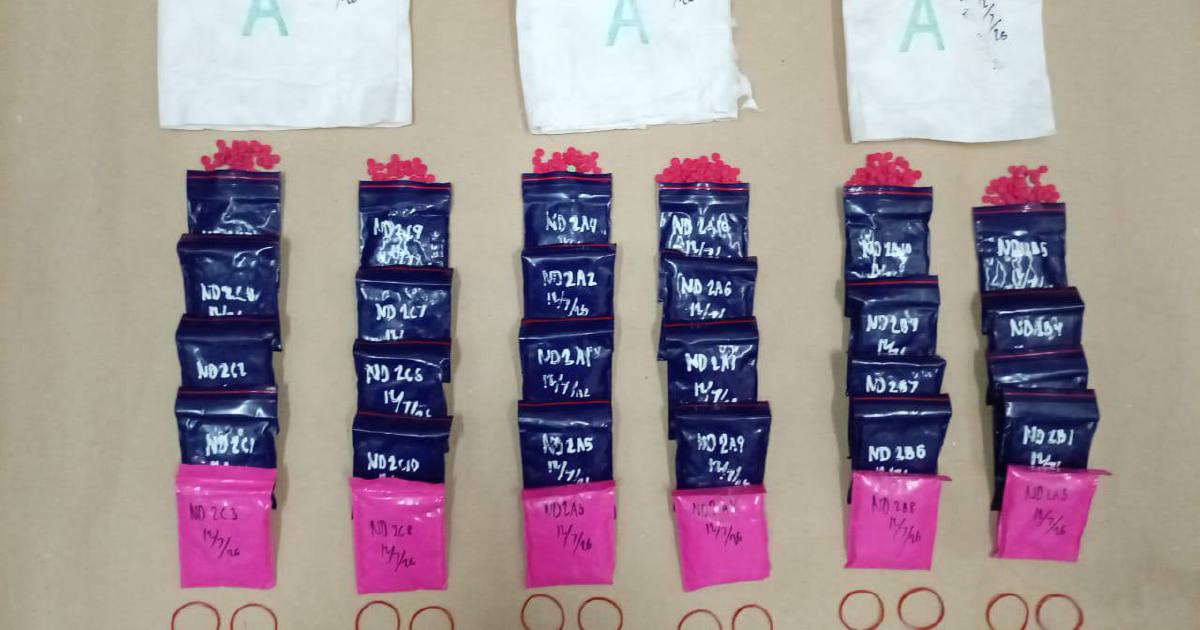
A 35-year-old tow truck agent has been arrested in Kelantan following a significant drug seizure that underscores persistent trafficking activities in the northeastern state. Police discovered approximately 6,000 yaba pills—a popular methamphetamine-based stimulant commonly known as "crazy medicine"—valued at RM60,000 during a routine operation near Wakaf Bharu in the Tumpat district.
The arrest highlights how illegal drugs continue to flow through Malaysia despite intensive law enforcement efforts. Yaba, which contains methamphetamine and caffeine, represents a particularly troublesome substance across Southeast Asia, with trafficking networks regularly exploiting transportation networks and commercial enterprises to move narcotics across borders and through urban centres. The involvement of a tow truck operator suggests that commercial vehicles and service industries remain attractive conduits for organised smuggling operations seeking to blend drug movement within legitimate transport activities.
Kelantan has long been a significant transit point for drug trafficking due to its geographical position and proximity to Thailand, where yaba production remains widespread. The state's porous borders and multiple entry points create enforcement challenges for Malaysian authorities, who must contend with increasingly sophisticated smuggling techniques. This latest seizure indicates that agencies remain vigilant, though the continued discovery of substantial quantities suggests that interdiction efforts capture only a fraction of drugs entering the supply chain.
The yaba pills market in Malaysia reflects broader regional drug consumption patterns. The stimulant attracts users seeking enhanced alertness and energy, making it particularly prevalent among long-haul drivers, factory workers, and others engaged in physically demanding occupations. Street prices for yaba typically range from RM10 to RM25 per tablet, meaning a seizure of this magnitude represents significant commercial loss to trafficking networks while potentially interrupting supply to downstream distributors and retailers.
The arrest near Jalan Kubang Batang demonstrates that police operations extend beyond major highways and urban checkpoints. Community-focused intelligence and intelligence-led policing strategies have improved authorities' ability to identify suspicious activities in smaller towns and residential areas, particularly where commercial services operate with less scrutiny than conventional retail establishments.
Investigators will likely examine how the tow truck agent obtained the pills and whether connections exist to larger trafficking organisations. Such inquiries typically reveal distribution networks, financial flows, and supply sources essential for dismantling trafficking infrastructure. The professional status of the suspect may also indicate involvement in more organised operations rather than small-scale street dealing, potentially implicating multiple individuals across the supply chain.
This seizure occurs amid intensified regional cooperation against narcotics. Malaysia, Thailand, and other ASEAN nations have strengthened intelligence sharing and coordinated enforcement operations, recognising that transnational trafficking demands collaborative approaches. The drugs seized in Kelantan likely originated in Thailand's northeastern provinces, where clandestine laboratories produce methamphetamine for distribution throughout the region.
The case reinforces why Malaysia maintains strict penalties for drug trafficking, with sentences including lengthy imprisonment and, in specified circumstances, capital punishment. These deterrents reflect society's commitment to combating narcotics, though critics argue that supply-side enforcement alone cannot address demand-driven consumption patterns without complementary treatment and prevention initiatives.
For Malaysian citizens and businesses, such arrests serve as reminders that involvement in drug trafficking—whether through direct participation or inadvertent complicity through transportation services—carries severe legal consequences. The arrest also reflects how law enforcement agencies continue developing capability to identify and intercept major shipments, protecting communities from the health and social harms associated with methamphetamine use.
Police will now focus on building cases against the arrested operator and identifying associates within trafficking networks. Successful prosecutions require meticulous investigation and evidence compilation, ultimately contributing to broader efforts to dismantle the supply chains that sustain illegal drug markets throughout Malaysia and Southeast Asia.

