The world's largest travel group, TUI, has reported encouraging signs of normalisation in travel demand despite a volatile operating environment shaped by geopolitical tension in West Asia and extreme weather across Europe. While the German company acknowledged that the current quarter reflected challenging conditions, recent booking patterns suggest that holidaymakers are gradually returning to their travel plans, particularly as confidence rebuilds following months of uncertainty. The recovery, though modest, offers a glimmer of optimism to an industry that has absorbed significant shocks over the past year.
The financial picture tells a mixed story. TUI reported net profit of €124.2 million for the latest quarter, representing a sharp 44.7 per cent decline compared to the same period a year earlier. This deterioration reflects the accumulated costs of disruption, including higher fuel expenses and operational complications stemming from the ongoing conflict. Yet despite this headline weakness, the company's share price fell by only slightly more than 3 per cent in Frankfurt trading, suggesting investors recognised the underlying improvement in booking momentum. Chief executive Sebastian Ebel pointedly told analysts that "business is coming back, it's normalising" and highlighted "strong weeks" of recent activity, indicating that the worst of the downturn may have passed.
One of the most telling indicators is the divergence between year-to-date summer revenue and forward-looking bookings. While revenue for the summer season remained 6 per cent below the previous year's figures, bookings recorded over the past four weeks jumped 7 per cent. This suggests that the company is beginning to see renewed customer confidence translating into concrete reservations. The shift is particularly meaningful because it indicates that travellers, having postponed or cancelled plans during the peak uncertainty, are now committing to holidays again, albeit at a measured pace.
The Middle East conflict has been an omnipresent drag on European tourism throughout the period. The combination of heightened geopolitical risk and dramatically elevated jet fuel costs—a direct consequence of the United States and Israeli military actions against Iran—has forced airlines, cruise operators, and travel companies to absorb higher expenses while managing customer anxiety. TUI itself was forced to undertake an emergency repatriation operation in April, extracting approximately 10,000 holidaymakers including 5,000 passengers stranded aboard two cruise ships in the Gulf. This dramatic episode prompted the company to issue a profit warning at the time, though subsequent weeks have brought gradual stabilisation.
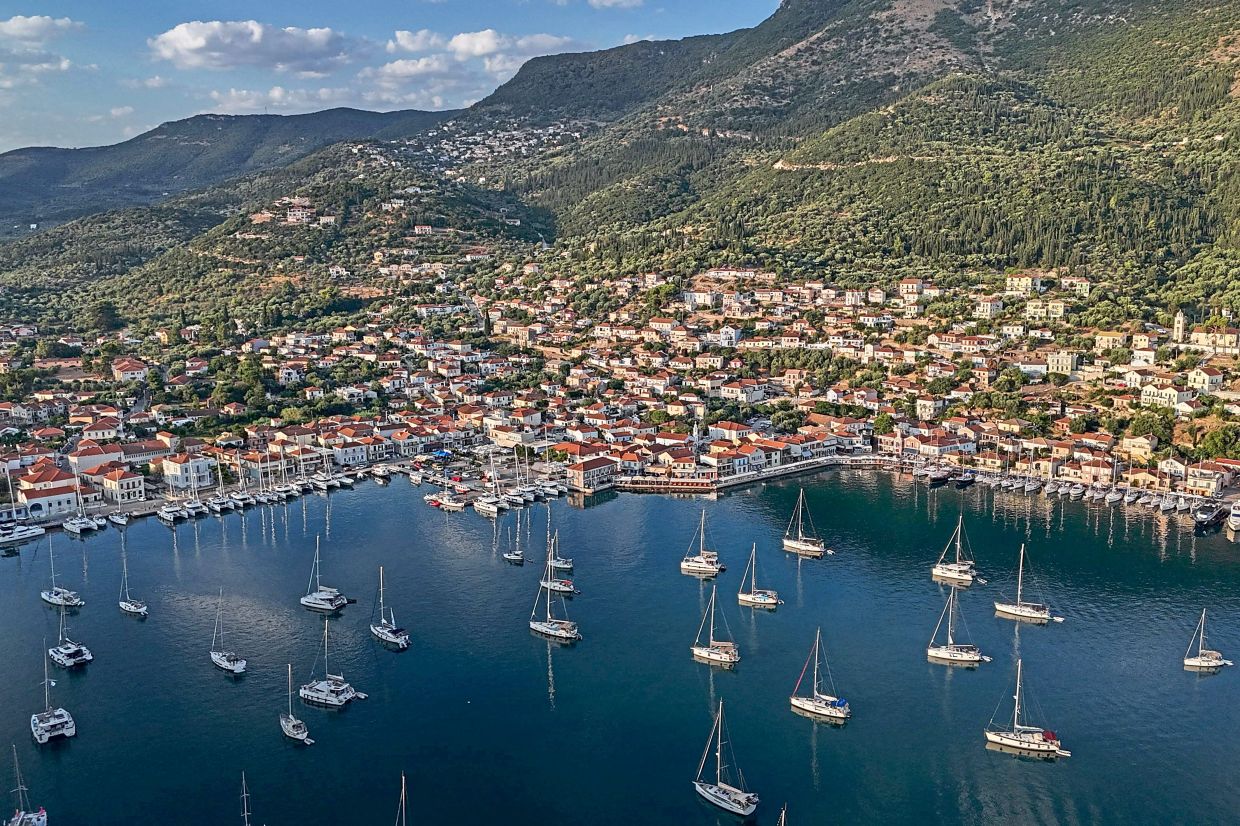
Geographical shifts within Europe's tourism market reveal how travellers are recalibrating their choices. TUI has observed renewed interest in eastern Mediterranean destinations, where the company is actively promoting holidays following months during which the region was perceived as higher-risk. This reorientation suggests that tourists have not abandoned long-haul or aspirational destinations wholesale, but rather are selectively returning to areas they view as having restored normalcy. The recovery in these regions is particularly important for countries such as Greece whose economies depend heavily on tourism revenue.
Europe's weather extremes have created an additional layer of complexity for the industry. Scorching temperatures, widespread wildfires, and heatwaves affecting Spain, France, Portugal, and Greece have theoretically discouraged travel to Mediterranean destinations during peak summer months. However, Ebel noted that TUI has not yet detected measurable booking declines attributable to these weather patterns. He attributed this partly to the fact that many of TUI's alternative destinations enjoy cooler climates, and partly to the observation that wildfires have been comparatively less frequent outside Mediterranean zones than historical norms. This resilience suggests that diversification within holiday portfolios and changing seasonal preferences may help offset some climate-related disruption.
Hotel occupancy figures paint a nuanced picture of recovery. In the quarter ending June, hotel occupancy declined by 3 per cent compared to the equivalent period last year. While this still represents a contraction, it represents a meaningful improvement from the 6 per cent decline recorded during the preceding six-month period. The trajectory implies that hotel operators are gradually filling rooms again and that the worst phase of underutilisation may be behind the industry. For Malaysian and Southeast Asian tourism interests, this European recovery has implications for global travel patterns and the competitive dynamics of the tourism marketplace.
Looking beyond the immediate crisis, Ebel's remarks about seasonal patterns suggest that the industry expects structural changes to emerge from the current disruptions. He predicted that higher summer temperatures could reshape holiday timing, driving stronger demand during shoulder seasons—namely autumn and spring—when temperatures moderate. This observation carries implications for destination marketing, staffing models, and infrastructure planning across the tourism sector. If European travellers increasingly migrate away from peak summer travel, the distribution of visitor arrivals and revenue across the calendar will shift, requiring adjustment from hospitality businesses accustomed to traditional seasonality patterns.
For the broader Asian tourism sector, TUI's recovery signals offer mixed messages. European demand for long-haul travel to Southeast Asian destinations has been a significant revenue driver in recent years. If European tourists are slowly returning to confidence and resuming holiday bookings, some portion of that demand recovery may eventually translate into increased interest in Asian beach resorts and cultural destinations. Conversely, if travellers remain cautious and preferentially book closer to home or within Europe, Southeast Asian tourism operators might face continued headwinds. The stabilisation TUI is experiencing remains fragile and dependent on the absence of new geopolitical shocks or climate disasters.

