Negotiations for the Group of Twenty's joint statement are taking a starkly different shape than in previous years, with the American delegation aggressively narrowing the focus of what has historically been a broad multilateral platform for addressing global economic and social challenges. As senior negotiators from member nations gathered in Washington this week to draft language for the Miami summit scheduled for mid-December, sources revealed that the United States has systematically worked to excise provisions addressing poverty alleviation, climate energy transitions and gender equality—topics that have anchored G20 declarations for nearly two decades.
The strategic recalibration reflects a marked departure from the inclusive multilateral approach that has characterised recent summits. Multiple delegation members, speaking on condition of anonymity given the confidential nature of the talks, described how American negotiators pressed throughout the session to reframe the group's priorities. Instead of the expansive agenda that typically encompasses development finance, inequality and environmental commitments, the US has sought to concentrate discussion on immigration policy, combating transnational organised crime, counter-terrorism measures, foreign direct investment flows and what Washington frames as "fair trade" practices. The effort appears deliberate and sustained, having begun as far back as December when the sherpas—the senior officials who prepare declarations for leaders—first convened to commence drafting work.
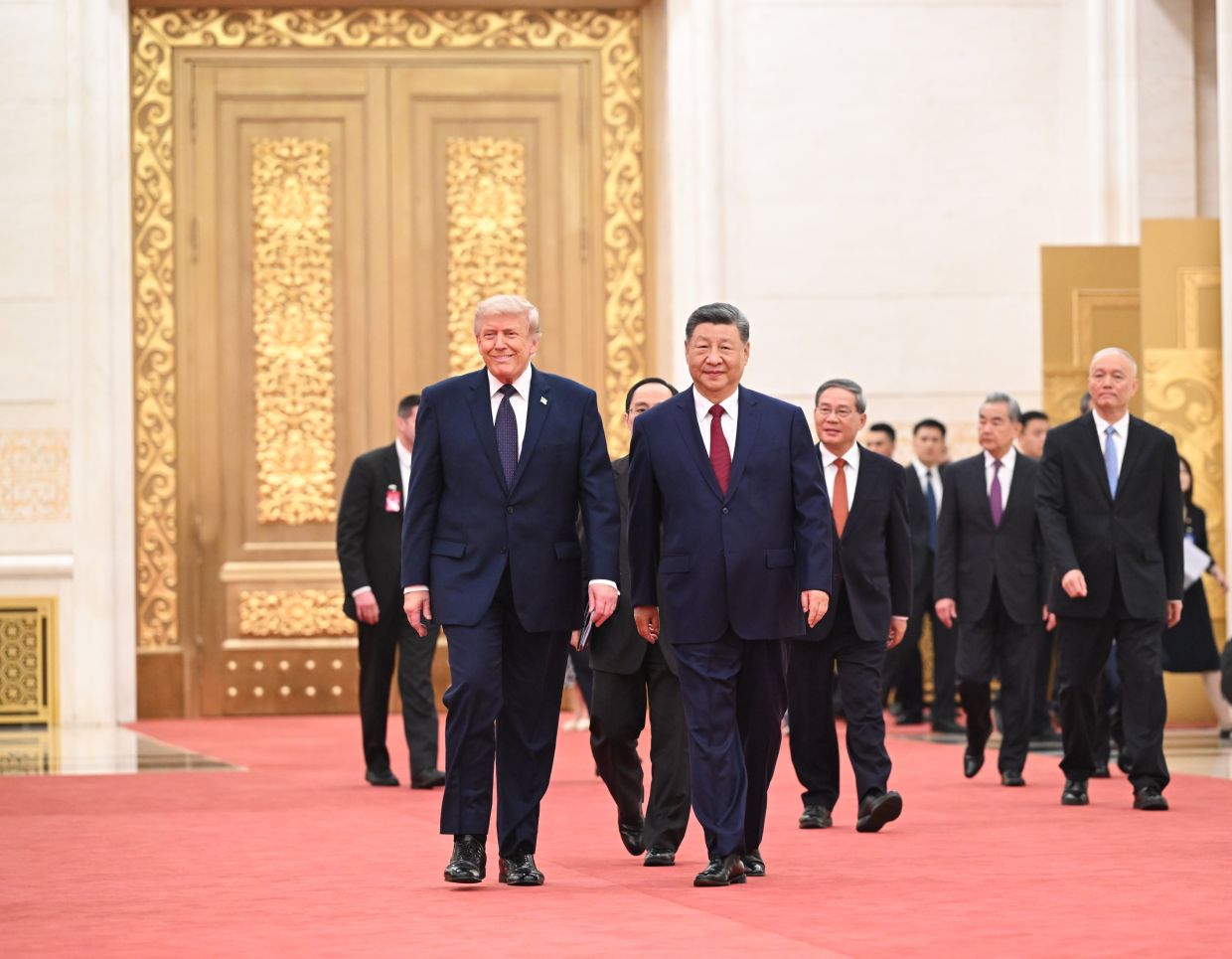
One source characterised the American approach as deliberately crafted to favour Washington's strategic interests over the concerns of smaller and developing economies, suggesting that the administration views the Miami gathering primarily as a ceremonial occasion rather than a substantive forum for consensus-building. This assessment gains weight from a particularly candid description of how US officials regard the summit: as merely "a pretty backdrop for a photo of Trump and Xi", indicating that bilateral optics between the American president and his Chinese counterpart may be overshadowing the multilateral mandate. The framing underscores broader questions about whether the world's largest economies remain committed to addressing challenges through coordinated action or whether geopolitical rivalry and national interest calculations are displacing such cooperation.
Russia has publicly articulated similar frustrations about the narrowing scope, with Ambassador-at-Large Marat Berdyev previously airing grievances through official channels. Despite these reservations, however, Russian negotiators participated actively in this week's talks, with the delegation headed by Denis Agafonov, who directs the presidential experts' directorate. Russia's continued engagement, notwithstanding its displeasure, reflects the diplomatic reality that G20 members often voice objections while remaining committed to finding workable compromises. Berdyev indicated that Moscow expected the Miami gathering to address trade mechanisms, energy policy and financial architecture, suggesting that even the Russian position encompasses some of the traditional development and infrastructure themes that Washington appears intent on sidelining.
The venue itself carries symbolic weight. Trump National Doral in Miami serves as the president's personal golf resort, and the decision to hold the G20 there rather than at a neutral diplomatic location has already attracted commentary about the blending of private business interests with official state functions. Expectations are high that Xi Jinping will attend, making a bilateral meeting between the American and Chinese leaders the likely centrepiece of the gathering. Such a configuration would represent a significant shift in emphasis, converting what should be a forum for twenty economies to address shared global challenges into essentially a bilateral showcase with other members relegated to supporting roles. The strategic calculus behind this arrangement suggests that the administration's priorities lie more in great-power competition and bilateral relationship management than in advancing collective solutions to transnational problems.
China's position in these negotiations remains somewhat opaque. The Chinese embassy in Washington has declined to clarify whether parallel bilateral discussions with American officials are occurring alongside the formal sherpa meetings, nor would it confirm the identity of Beijing's lead negotiator during this week's talks. This reticence itself signals something noteworthy: despite China's well-documented priority on climate action and renewable energy development, the delegation did not lodge public objections to American efforts to strip energy-transition language from the draft declaration. One participant expressed surprise at this restraint, suggesting that Beijing's silence on an issue so central to its own national agenda represents a notable departure from expected diplomatic behaviour.
The apparent acquiescence is particularly striking given China's rhetorical commitment to environmental leadership. In its response to queries, the Chinese embassy emphasised that the country has constructed "the world's most complete policy system on reducing carbon emissions" and operates "the world's largest renewable energy system", positioning itself as a responsible major power dedicated to building "a clean and beautiful world". These statements, however, sit uncomfortably against the record of Beijing's negotiating position in Washington, where it apparently did not prioritise defence of climate provisions that would logically align with its stated development model and international positioning. This disconnect raises questions about the relative priority different governments assign to multilateral coordination versus bilateral relations with Washington.
The erosion of substantive global governance work through the G20 has been evident in earlier sessions this year. When the group's finance ministers convened in Washington in April, negotiations concluded without a joint statement or customary press conference—a significant breakdown in the ritual of consensus that has long characterised the forum. These institutional fractures suggest deeper disagreements about the group's purpose and direction. Finance Minister Lan Fo'an represented China at that meeting, operating within a separate finance track that functions parallel to the sherpas' diplomatic channel. The fragmentation of the G20's internal machinery into specialist tracks and bilateral side conversations has progressively weakened its capacity to function as a unified voice on global economic governance.
The Trump administration's approach to the G20 reflects broader shifts in American foreign policy orientation toward emphasis on bilateral arrangements and transactional relationships rather than multilateral institution-building. By narrowing the agenda to issues that map directly onto the administration's core policy priorities—border security, trade relationships and investment flows—while excising references to poverty, climate and gender, the Americans are essentially instrumentalising the forum for their own policy objectives. This reframing has not gone unnoticed by other members, with multiple governments expressing displeasure at the dilution of the G20's traditional mandate to address the full spectrum of global economic and social challenges that affect all twenty members.
For Southeast Asian nations and other developing economies within the G20 framework, the implications are substantial. Climate action, energy transition investment, and addressing inequality through development finance have provided these countries with diplomatic avenues for advancing their interests and securing commitments from wealthier members. A G20 increasingly focused on trade competition and security concerns risks leaving development challenges without adequate multilateral attention. As the Miami summit approaches, the question facing smaller members is whether to accept the narrowed agenda or mount a coordinated counter-proposal that reasserts the group's historically inclusive focus.

