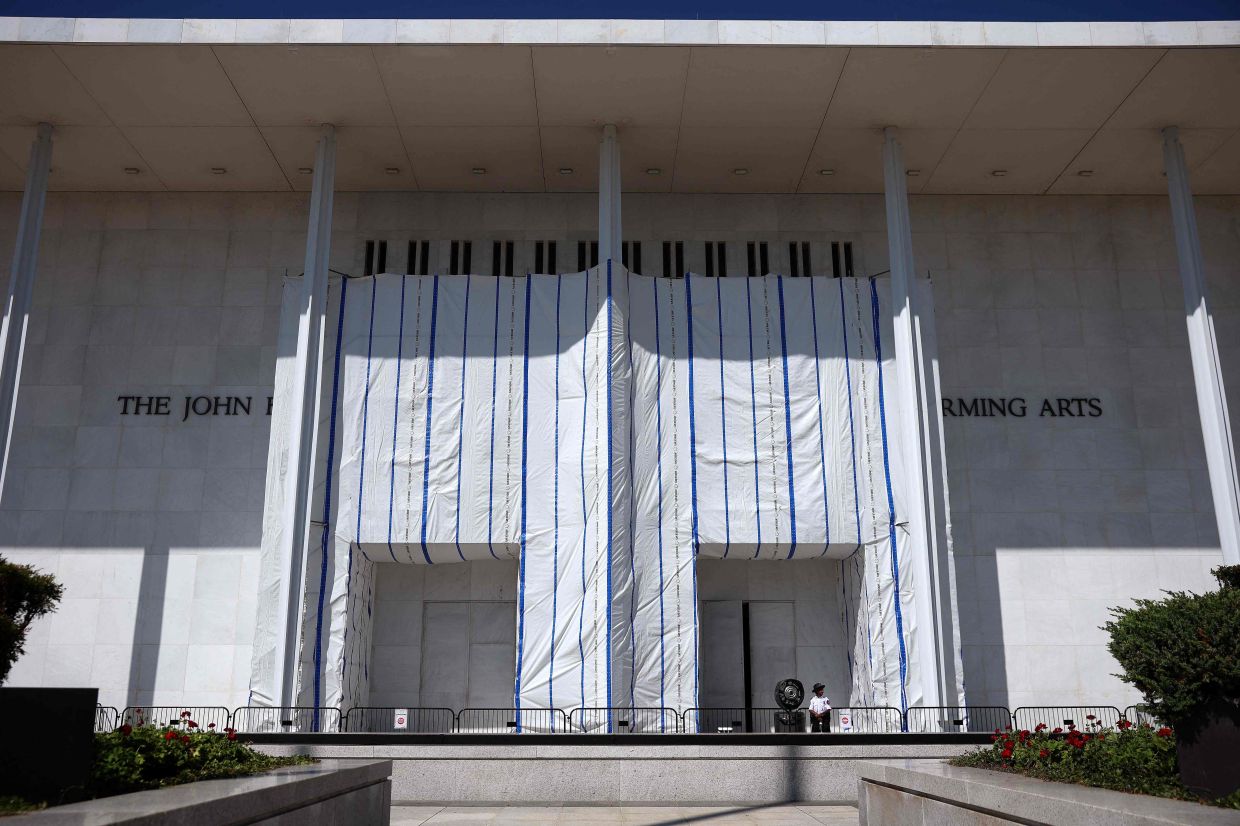
The Trump administration has taken an extraordinary step in its dispute over Washington's Kennedy Center, suggesting through court filings that the nationally revered performing arts venue could face demolition if legal challenges succeed in blocking the president's renovation vision and efforts to attach his name to the structure. The warning, contained in a Justice Department submission opposing Democratic attempts to halt a two-year renovation project and prevent Trump's name from being prominently displayed, represents a dramatic escalation in what has already become a bitter struggle over one of America's most recognisable cultural institutions.
While the filing stops short of confirming any actual demolition plan, the Justice Department's legal argument pivots on a stark choice: either Trump's restoration programme and fundraising capabilities proceed unimpeded, or the building will eventually deteriorate beyond repair and require complete removal. Justice Department attorney Brantley Mayers wrote that "without those efforts, the center will deteriorate further into an unsafe, decrepit structure that will be required to be taken down." The argument appears designed to frame Trump's involvement not as a controversial vanity project but as the only viable path to preserving a national treasure.
The administration's filing goes further by sketching what could replace the Kennedy Center should demolition occur. Mayers suggested the site might eventually host a large outdoor amphitheater with views of the Potomac River, a suggestion he himself acknowledged would "fail to adequately honor" President John F. Kennedy, for whom the centre was originally established as a living memorial. The filing emphasises the cost advantages of such an alternative, implying that maintaining a restored Kennedy Center requires Trump's continued involvement and recognition.
Central to the Trump administration's legal position is the claim that the president's administration secured US$258 million from Congress specifically for the restoration project and has successfully cultivated a new pool of donors. Justice Department lawyers argue that public recognition of Trump's role is essential for maintaining this financial commitment and donor enthusiasm. This reasoning suggests that removing Trump's name or limiting his association with the project could jeopardise the funding that keeps the institution operational—a threat that adds financial pressure to the political dispute.
The naming row intensified recently when Trump's hand-picked Kennedy Center board voted to inscribe "Restored and Renovated by President Donald J. Trump" beneath the institution's official name and to rebrand the surrounding plaza as the "President Donald J. Trump Plaza." The decision prompted immediate legal challenges from Democratic board members, most notably Congresswoman Joyce Beatty, who filed suit arguing that only Congress possesses the constitutional authority to name the Kennedy Center, given its original designation as a memorial to the assassinated 35th president.
For Malaysian and Southeast Asian observers, this dispute reflects broader tensions playing out across the Western world regarding the use of public monuments and institutions for political purposes. While Malaysia has its own traditions of naming public buildings after national figures and political leaders, the Kennedy Center case illustrates how the intersection of fundraising, naming rights, and institutional heritage can create sustained legal and political conflict. The controversy highlights differing views on whether prominent figures should be publicly credited for restoration work funded substantially through taxpayer resources.
Previous court rulings have already complicated the Trump administration's position. A federal judge determined that the board lacked the authority to unilaterally rename the centre and ordered the removal of earlier signage attributing Trump's name to the building. The administration is currently appealing that decision, meaning the legal struggle will likely extend well beyond the Thursday hearing scheduled to address both the renovation closure proposal and the naming dispute. This ongoing litigation reflects fundamental disagreements about governance, institutional autonomy, and the proper recognition of political figures in cultural spaces.
Strikingly, Kennedy Center officials had previously characterised the planned renovation in far less dramatic terms, describing work focused on extensive electrical system upgrades, stage repairs, and leak prevention measures. Their earlier public statements explicitly noted that the work would neither materially change the building's exterior nor strip it down to its structural frame. This significant gap between the Justice Department's depiction of a deteriorating structure requiring demolition and the Kennedy Center's own assessment of needed repairs underscores the rhetorical escalation occurring in the administration's legal strategy.
The dispute also illuminates the complex relationship between executive power, congressional authority, and institutional independence. Congresswoman Beatty's position that Congress alone can name the Kennedy Center is grounded in constitutional principle: Congress appropriated the original funds for the building's creation as a Kennedy memorial, and only Congress should determine what that memorial represents. The Trump administration's counter-argument that donors and those securing funding deserve recognition challenges this congressional prerogative while introducing financial leverage into questions of institutional identity.
For those observing American governance from abroad, including Malaysian policymakers and analysts, this case demonstrates how political polarisation can transform routine infrastructure maintenance into extended constitutional disputes. The threat of demolition—whether intended as genuine policy option or rhetorical leverage—represents an unprecedented move in American cultural politics. The Thursday hearing will likely clarify whether the courts view the administration's warnings as credible policy positions or as negotiating tactics designed to pressure opponents into accepting Trump's naming demands.

