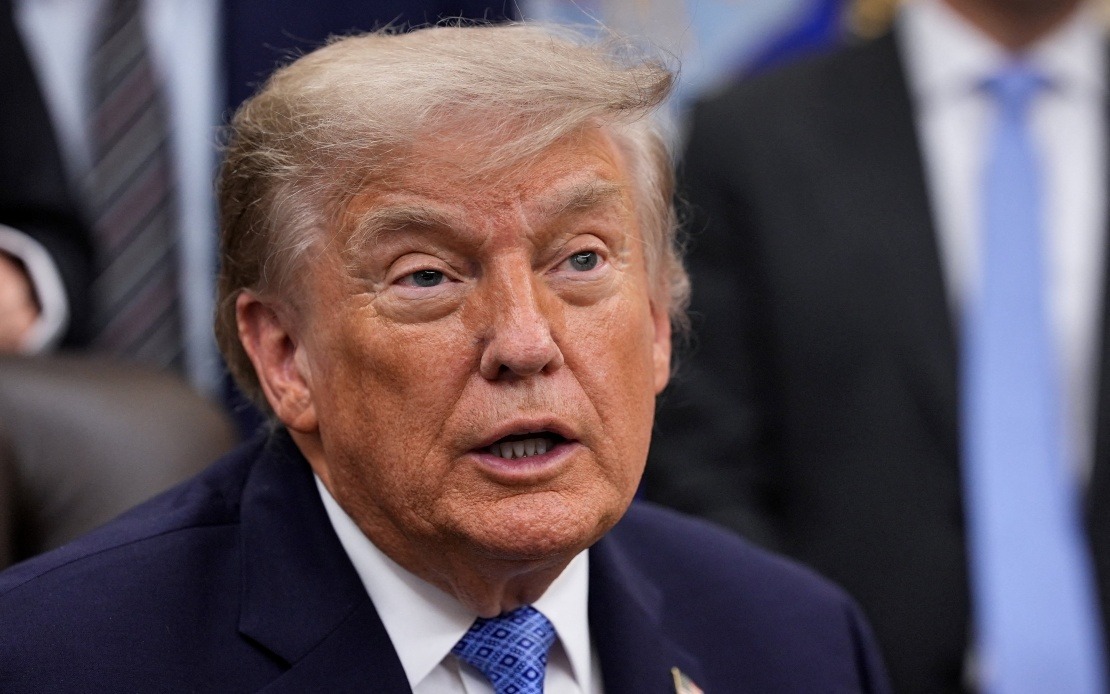
United States President Donald Trump is scheduled to deliver a televised address to the American nation on Thursday evening at 9pm Eastern time, according to an announcement posted on his Truth Social platform. The timing places the speech during one of the most coveted broadcasting windows in American television, when viewership reaches peak levels. Such prime-time slots are typically reserved for moments of genuine national significance, lending weight to anticipation surrounding the forthcoming remarks.
The presidential address represents a formal channel of communication that carries particular symbolic weight in American political tradition. When a sitting president chooses to interrupt regular programming for a direct address to citizens, it signals that matters of considerable importance warrant immediate national attention. Trump has utilised this mechanism previously during his second term, most notably in December when he mounted a defence of his economic policies amid mounting domestic criticism and political pressure.
While Trump did not specify the subject matter in his announcement, speculation centres on several potential topics commanding headlines in the United States. The escalating situation involving Iran has dominated news cycles for months, with the geopolitical tensions creating ripple effects across global energy markets. Elevated petrol prices, a direct consequence of Middle Eastern instability, have become increasingly salient for American households and voters alike. Recent developments in this conflict have intensified considerably, raising questions about whether the president might use the platform to address foreign policy implications.
For Malaysian and Southeast Asian observers, developments affecting US foreign policy carry strategic consequences. American responses to regional conflicts influence global energy security, investment patterns, and the broader international order. Higher oil prices ripple through regional economies where energy imports significantly impact inflation, manufacturing competitiveness, and consumer purchasing power. Understanding American policy direction provides crucial context for regional governments navigating geopolitical shifts.
Domestic considerations also weigh on the timing of the address. Trump faces challenging political currents as his Republican Party encounters headwinds in polling ahead of midterm elections scheduled approximately four months away. These contests will determine congressional composition and represent a crucial political barometer. Strategically timed national addresses can serve multiple purposes: direct communication with voters, agenda-setting for political messaging, and attempts to reshape narrative momentum heading into consequential electoral contests.
The presidential address function within American democracy deserves particular attention from international observers. Unlike parliamentary systems where leaders address legislatures regularly, the American president's televised national address operates outside formal legislative settings, allowing direct communication with the electorate. This mechanism has evolved into a tool for political positioning, crisis management, and agenda framing. The decision to invoke this instrument suggests Trump's assessment that the moment warrants extraordinary communication measures.
Several months into his second presidential term, Trump continues deploying communication strategies developed during his first tenure and subsequent political career. The Truth Social platform announcement itself reflects his preference for direct digital channels rather than traditional media intermediaries, a pattern consistent with his broader communications philosophy. This approach enables him to control messaging framing without editorial filtering or journalistic interpretation.
International observers should monitor not merely the announced content but also how American media and political rivals respond and counter-frame the address. Opposition parties typically prepare responses ready for deployment immediately following presidential addresses, and media coverage patterns often reflect partisan divisions. The response ecosystem surrounding such addresses frequently proves as politically consequential as the address itself, shaping how key constituencies process and interpret presidential messaging.
The undisclosed topic creates genuine uncertainty about the address's scope and implications. Should Trump focus on Iran and Middle Eastern policy, markets could respond significantly given energy sector sensitivity to geopolitical statements. Economic messaging might attempt to reframe inflation narratives before midterm voting. The flexibility in content signals that the president has determined circumstances warrant a major communication push without yet publicly committing to specific policy announcements or statements that might invite premature political opposition.
For regional policymakers and business leaders tracking American political developments, Thursday's address merits careful attention. US strategic decisions regarding international conflicts, trade policies, or economic directions often carry significant consequences for Southeast Asian nations dependent on American markets, technology, and security relationships. The address may signal policy shifts with regional ramifications worth monitoring closely in immediate aftermath coverage and official response.

