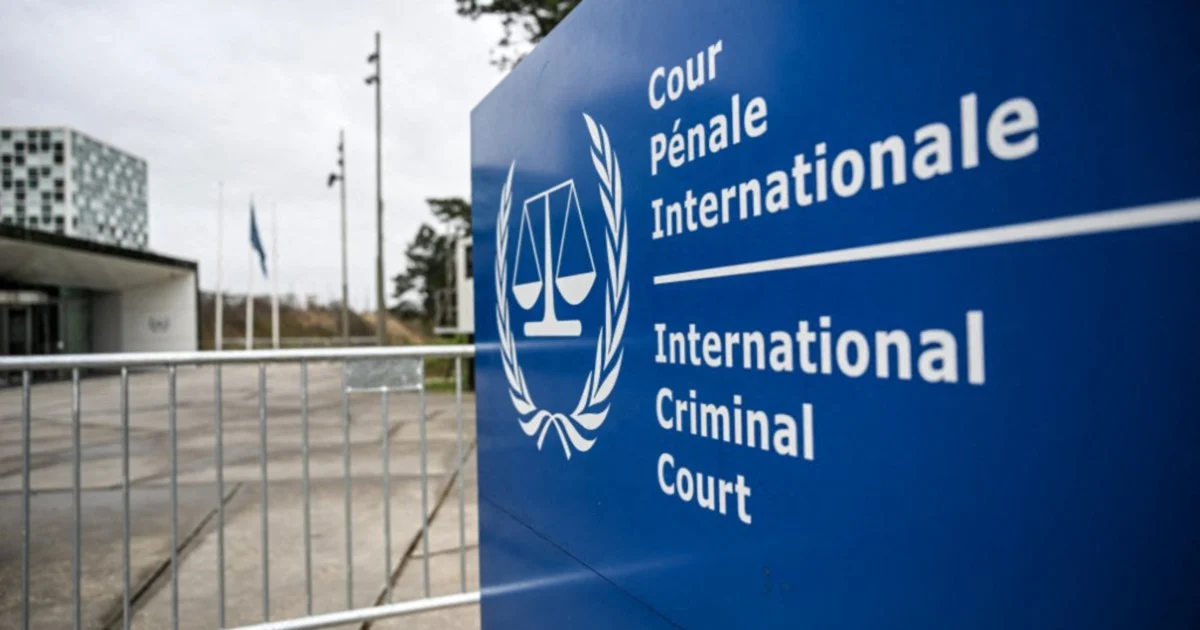
Two United States-based advocacy groups have initiated legal action against the Trump administration, contending that economic sanctions directed at the International Criminal Court represent a breach of constitutional free speech protections. The lawsuit comes as US officials have intensified diplomatic efforts to undermine the operations and legitimacy of the international judicial body this week.
The challenge raises significant questions about the intersection of executive power and First Amendment protections in the context of foreign policy. Advocacy organisations that work on international justice and human rights matters argue they face potential legal jeopardy when attempting to engage with or provide support to the ICC, as the sanctions effectively criminalise certain forms of advocacy, legal assistance, and financial transactions related to the court's functioning.
This legal dispute unfolds against a backdrop of longstanding American tension with the ICC. The United States has historically maintained a contentious relationship with the institution, rooted in concerns that the court could potentially assert jurisdiction over American citizens, military personnel, or government officials. Previous administrations have also expressed reservations about the court's structure and the extent of its investigative mandate.
The advocacy groups filing the lawsuit contend that the sanctions regime established by the administration operates as a form of viewpoint-based suppression, effectively penalising individuals and organisations that support, communicate with, or fundraise for the ICC. This argument hinges on the legal principle that government cannot restrict speech or association based on disagreement with particular positions or institutions, even in the realm of foreign policy.
Constitutional scholars observing the case note that it presents a novel challenge to judicial review of executive sanctions authority. Courts have traditionally granted the executive branch considerable latitude in crafting foreign policy measures, yet free speech jurisprudence generally requires that restrictions on expression meet rigorous constitutional standards. The tension between these two legal domains creates genuine analytical complexity for judges examining the lawsuit.
For Southeast Asian observers, this dispute carries regional implications worth noting. Several countries in the region, including Cambodia and the Philippines, have complex relationships with international courts and justice mechanisms. The outcome of this American legal challenge could influence broader international attitudes toward accountability institutions and the political appetite for supporting or opposing international judicial bodies.
The Trump administration's diplomatic campaign targeting the ICC stems partly from the court's investigations into situations involving American interests. Officials have characterised the ICC as an institution that operates beyond appropriate oversight and lacks necessary democratic accountability. The administration's position reflects a nationalist perspective on sovereignty that prioritises domestic legal frameworks over international judicial mechanisms.
Advocacy groups counter that the sanctions constitute governmental overreach designed to suppress legitimate speech and association activity. They argue that citizens, lawyers, journalists, and organisations should retain the right to support, engage with, or publicly advocate for international justice institutions without facing legal punishment. This position emphasises the importance of civil society participation in global governance conversations.
The practical implications of the sanctions extend beyond abstract constitutional debate. International criminal defence lawyers, human rights investigators, and civil society organisations working with the ICC face genuine uncertainty about which activities remain legally permissible under American law. Financial institutions may become reluctant to process transactions related to ICC operations, potentially hampering the court's investigative and prosecutorial capabilities.
Malaysian legal observers may find particular resonance in these debates about international justice institutions. Malaysia has engaged with various accountability mechanisms and courts, and questions about state sovereignty, international oversight, and the role of civil society remain relevant to regional legal discourse. The principle that citizens should retain freedom to engage with international institutions without state penalty resonates across jurisdictions concerned with protecting advocacy space.
The lawsuit also illuminates broader philosophical questions about American foreign policy in the contemporary era. Advocates for international justice argue that dismantling or undermining the ICC represents a counterproductive approach that diminishes prospects for accountability in conflict situations worldwide. Critics of international institutions respond that unchecked international judicial authority creates risks of politicisation and threatens legitimate state interests.
Courts examining this case must weigh competing constitutional values and foreign policy considerations. The resolution could establish important precedent regarding the limits of executive sanctioning authority when it affects domestic free speech and association rights. Whether judges ultimately side with the advocacy groups or uphold the administration's diplomatic measures remains uncertain, but the case itself signals that Trump's ICC strategy faces meaningful legal contestation from within the American legal system.
The broader significance extends to how democracies balance international engagement with domestic constitutional protections. This intersection will likely generate continued litigation and policy debate, particularly as the administration pursues additional measures against international institutions and mechanisms.

