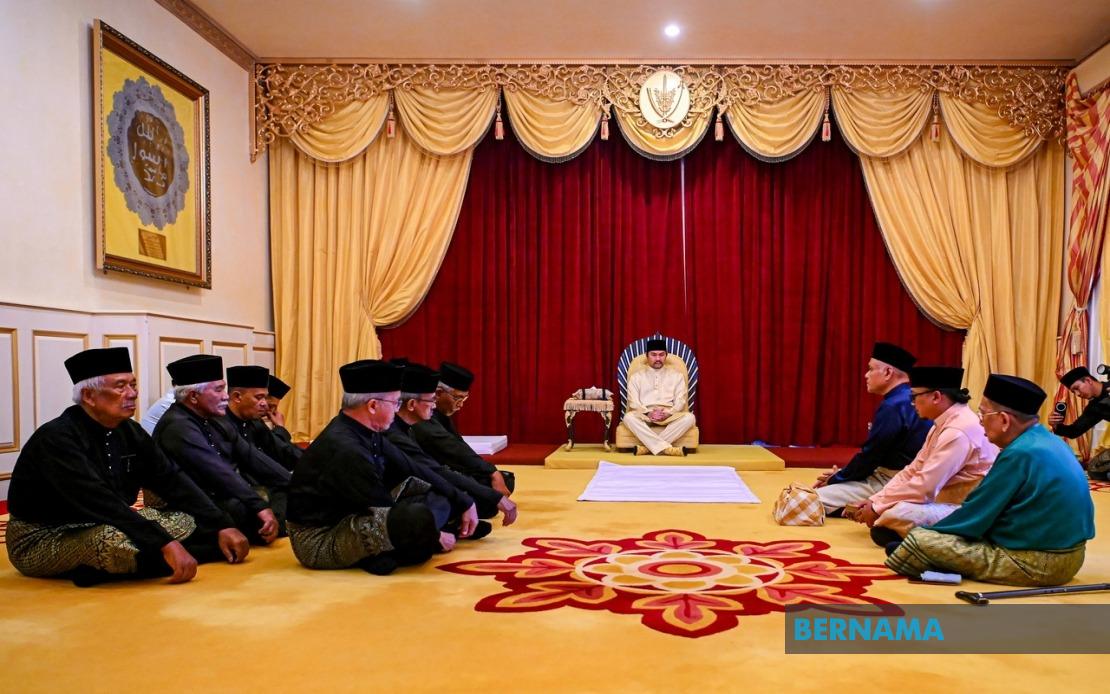
Tuanku Muhriz Tuanku Munawir, the Yang Dipertuan Besar of Negeri Sembilan, has given his blessing for a ceremonial installation of the Luak Sungei Ujong's traditional leadership on Saturday morning at Istana Besar Seri Menanti in Kuala Pilah. The approval came through an official pronouncement made by Tunku Besar Seri Menanti Tunku Ali Redhauddin Tuanku Muhriz, the ruler's representative, during a formal audience with the adat chieftains and customary leaders of the region.
Muhammad Faris Johari, 29, has been selected as the 11th Undang of Luak Sungei Ujong through the established customary processes that govern succession within the traditional hierarchy. The Buapak customary council assembly conducted the selection in strict accordance with longstanding adat traditions specific to Sungei Ujong, ensuring that the appointment respected both the letter and spirit of Negeri Sembilan's cultural governance framework. This appointment represents a significant moment in the state's constitutional arrangement, where sultanate and customary law intersect.
The installation ceremony has become necessary following the formal removal of the previous Undang. The Dewan Keadilan dan Undang, Negeri Sembilan's justice and customary law tribunal, had earlier accepted the dismissal of Datuk Klana Petra Datuk Mubarak Dohak from his position as the 10th Undang. Menteri Besar Datuk Seri Aminuddin Harun disclosed that this consequential decision emerged from a special sitting convened at the state palace and presided over by Tuanku Muhriz himself, underscoring the gravity with which such matters are treated at the highest levels of state governance.
During the audience with the adat delegation, Tunku Ali Redhauddin conveyed his father's formal consent for the installation ceremony, officially titled Istiadat Menghadap Menjunjung Duli Bagi Menyempurnakan Kejadian Undang Luak Sungei Ujong. The ceremonial framework reflects the intricate protocols that bind together the constitutional monarchy of Negeri Sembilan with its indigenous customary system, a unique feature of Malaysian federalism that distinguishes the state from most other territories. The spokesman noted that logistical and ceremonial details would be coordinated between the adat leaders and the Orang Empat Istana, the palace officials responsible for such proceedings.
Waris Negeri Sungei Ujong Datuk Sinda Maharaja Razlan Hamid, the representative of the luak or territorial division, publicly affirmed that the selection process had unfolded in full compliance with customary practice. He emphasized that the choices made by the Buapak council reflected not merely procedural compliance but genuine adherence to the values and traditions that have historically structured leadership succession in Sungei Ujong. This careful observance of adat remains significant in maintaining legitimacy among the local population and within the broader framework of Negeri Sembilan's constitutional arrangements.
The Saturday ceremony will mark the formal transition of executive customary authority from one generation of leadership to another. In Negeri Sembilan's distinctive system, the Undang holds considerable cultural and ceremonial significance, representing the voice of the luak in matters of tradition, inheritance, and customary justice. The installation ritual itself carries deep symbolic weight, serving as public acknowledgment of the new officeholder's entry into one of the state's most respected traditional roles and his assumption of responsibilities that extend back centuries into the region's pre-colonial governance structures.
Paralleling this installation, the royal household has also sanctioned a separate ceremony on the same morning to formalize the appointment of the 22nd Undang of Luak Rembau, another of Negeri Sembilan's major territorial divisions. The concentration of both installation ceremonies into a single occasion reflects administrative efficiency while also honoring the ceremonial weight these appointments carry. Both appointments underscore the continued vitality of Negeri Sembilan's unique dual system of governance, where modern constitutional structures operate alongside centuries-old customary institutions.
For Malaysian observers, Negeri Sembilan's approach to leadership succession demonstrates how contemporary monarchical systems can accommodate traditional authority structures. The involvement of the Yang Dipertuan Besar in sanctioning these appointments through formal royal audience illustrates the integration of customary and constitutional processes rather than their separation. Unlike jurisdictions where traditional leadership exists primarily as cultural heritage, Negeri Sembilan's adat framework retains genuine legal force and ceremonial prominence within state governance.
The installation process, while rooted in centuries of practice, continues to evolve within the context of modern administrative requirements. The coordination between palace officials and customary leaders, mediated through the Orang Empat Istana, reflects how traditional governance adapts to contemporary needs while preserving its essential character. The careful documentation and formal approval processes ensure that these appointments command legitimacy across multiple constituencies—both within the customary community that selected the new Undang and within the formal state machinery that will recognize his authority.
For younger Malaysians and those unfamiliar with Negeri Sembilan's constitutional peculiarities, these ceremonies represent a living demonstration of how the federation accommodates regional variations in governance. The role of the Undang carries responsibilities that, while primarily ceremonial in nature, encompass genuine authority in matters of adat law, inheritance disputes, and customary practice. Muhammad Faris Johari's assumption of this responsibility therefore represents not merely a personal honor but an undertaking to steward traditions that connect contemporary communities to their historical roots.
The smooth progression from the selection phase through formal court approval and into ceremonial installation reflects institutional confidence in the processes governing Negeri Sembilan's constitutional arrangements. These procedures, tested across generations, continue to command respect and acceptance among state leaders, from the sultan through the menteri besar to the adat councils themselves. The Saturday ceremonies will thus represent not just the installation of new office-holders but reaffirmation of the state's commitment to maintaining the distinctive governance model that has defined Negeri Sembilan since the Undang system's establishment.

