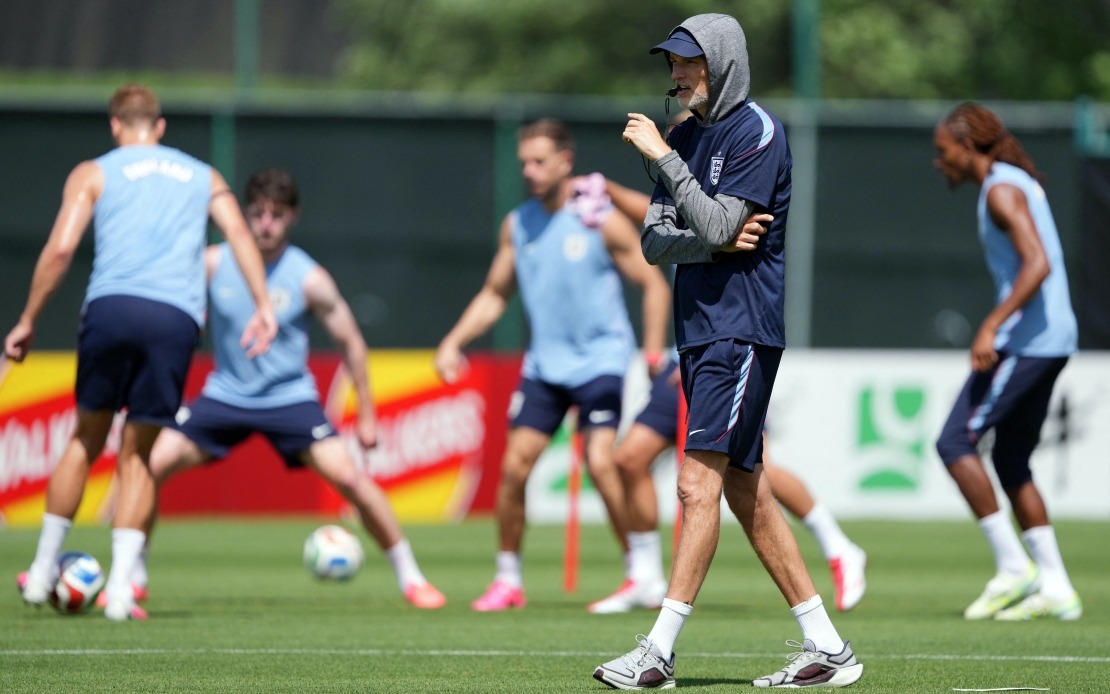
England's World Cup campaign reaches its knockout stage this week with a fixture that carries a distinctly different character from the tournament's early rounds. The last-32 contest against the Democratic Republic of Congo will kick off at 5 pm United Kingdom time, a scheduling decision that reflects FIFA's awareness of global viewing patterns and the particular interests of younger audiences. This teatime start represents a marked departure from England's group-stage matches, where fixtures against Croatia and Ghana began at 9 pm, with the subsequent victory over Panama commencing at 10 pm. The shift in kick-off time creates a genuine opportunity for a generation of young English supporters to experience their first live England match of the tournament without having to navigate the challenges of staying awake through late-night football.
Manager Thomas Tuchel has framed this match not merely as a sporting contest but as an occasion with wider cultural significance. His comments reveal an appreciation for what this fixture means beyond the pitch—an opportunity to inspire children who would normally have bedtime constraints preventing their involvement with England's tournament progress. Tuchel emphasised his desire to entertain the younger audience, though he struck a characteristically candid note about the unpredictable nature of knockout football and the varying approaches teams might adopt to navigate such contests.
The England boss was careful to reframe what entertainment means in the context of professional football. Rather than promising a cascade of goals or end-to-end excitement, Tuchel suggested that supporters might find satisfaction in witnessing the collective spirit and commitment that his team brings to every challenge. This represents a subtle but important lesson in football philosophy—that not every compelling match unfolds through conventional attacking brilliance or high-scoring affairs. Sometimes the drama emerges from the intensity of competition, the visibility of genuine effort, and the emotional investment of players who understand the stakes involved.
Democratic Republic of Congo enters this fixture as a determined opponent unlikely to facilitate England's path through with passive acceptance. Tuchel acknowledged that the Congolese team may prioritise defensive solidity and pragmatic football rather than attempting to match England's attacking ambitions. Such an approach is hardly surprising in knockout football, where a single mistake can eliminate a team and where caution often outweighs the pursuit of aesthetic appeal. The England manager's willingness to articulate this expectation demonstrates his respect for his opponent and his realistic appreciation of how lower-ranked teams often approach matches against stronger nations.
The question of match duration looms over Wednesday's encounter. England will naturally prefer to resolve matters within ninety minutes, sparing everyone an exhausting extension into extra-time and penalties. However, Tuchel and his squad have clearly contemplated the possibility that this fixture might demand additional football. Goalkeeper Jordan Pickford reinforced this point, emphasising that England's preparations have encompassed the full range of scenarios—the regular ninety minutes, the additional thirty minutes of extra-time, and the unpredictable drama of a penalty shootout.
Pickford's comments underscore how modern football preparation extends far beyond tactical rehearsal and match fitness. Penalty training has become a standard component of tournament football, with specialists working to develop both technical execution and psychological resilience among the squad. The psychological dimension proves crucial; those who have trained extensively for penalty situations often perform better when the moment arrives, though fortune and individual nerve ultimately determine outcomes in such moments. England's history in penalty shootouts has been mixed, oscillating between triumph and heartbreak, which makes thorough preparation a genuine necessity rather than mere precaution.
The scheduling of this match carries implications that extend beyond England's participation. For Malaysian and Southeast Asian readers, the 5 pm UK time means early morning broadcasts in this region—around 1 pm Malaysian Standard Time. This timing potentially makes the fixture more accessible for local audiences seeking to follow England's progress, particularly for viewers in afternoon social settings or workplace environments where live streaming has become increasingly common. The match thus represents a connectivity moment where English football intersects with regional viewing patterns and consumption habits.
Tuchel's appointment as England manager represented a significant statement of intent following previous managerial uncertainties. His track record at elite clubs across European competitions has established him as a coach comfortable with the intense scrutiny and psychological demands that accompany tournament football. His explicit focus on the emotional transmission of team spirit through television broadcasts reflects an understanding that modern football exists as much as a televised phenomenon as a live experience. The performance must work simultaneously at the stadium and across screens worldwide, a dual requirement that shapes how contemporary managers conceptualise their tactical approach.
The broader context of this World Cup cycle finds England in a position where expectations remain elevated following previous tournament successes and consistent qualification achievements. However, knockout football strips away the protection of multiple matches and group-stage points accumulation. Each team approaches the last-32 with identical circumstances—advance or exit. This binary outcome creates a particular psychological environment where tactical caution and desperation from lower-ranked teams can produce surprisingly competitive matches regardless of official FIFA rankings or recent competitive records.
For England's younger supporters, this match offers something genuinely valuable beyond the outcome itself. The teatime kick-off removes the night-time barrier that previously excluded many children from witnessing their national team's tournament progression in real time. Tuchel's recognition of this aspect demonstrates how football operates simultaneously as sport, cultural practice, and intergenerational connector. Whether England produces a free-flowing exhibition or grind out a narrow victory, the young viewers will possess the direct experience of their team's World Cup journey rather than experiencing it secondhand through highlights and recaps.
The match represents a juncture where entertainment, pragmatism, and childhood memories converge around a single ninety-minute (or longer) sporting contest. Tuchel's willingness to acknowledge the complexity of these intersecting demands rather than oversimplifying them into conventional clichés suggests a manager comfortable with the multifaceted realities of contemporary football management.

