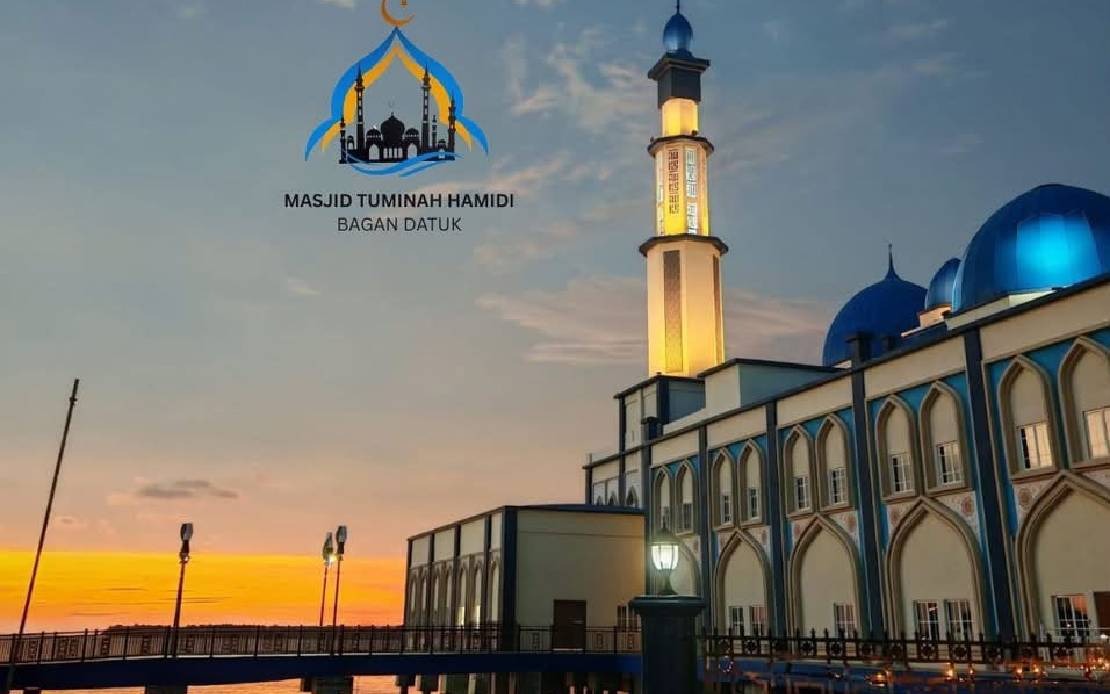
Malaysia will launch its first-ever National Mosque Open Day at the Tuminah Hamidi Mosque in Bagan Datuk from August 13 to 15, marking a significant milestone in the country's effort to position Islamic spaces as vibrant cultural and community hubs. The inaugural event, organised by the Islamic Tourism Centre under the Ministry of Tourism, Arts and Culture, aims to redefine the public perception of mosques by demonstrating their multifaceted role in society beyond traditional worship.
The initiative reflects a deliberate strategy to strengthen Malaysia's standing as a premier Muslim-friendly tourism destination while simultaneously fostering greater understanding of Islamic heritage among diverse audiences. By opening mosque doors to visitors of all backgrounds—irrespective of race, religion, or nationality—the programme sends a powerful message about inclusivity and the commonalities that bind Malaysian communities together. Free admission ensures that economic barriers do not prevent participation, making this a genuinely accessible cultural experience for all segments of society.
The three-day celebration has been carefully designed to appeal to varied demographics and interests. The opening day on August 13 focuses on spiritual enrichment through a Qasidah performance by the Nur Ahli Badar group, alongside tausiyah sessions led by prominent Islamic scholars Ustaz Habib Ali Zaenal Abidin Alhamid and Ustaz Habib Najmuddin Othman Alkhered. This spiritual dimension establishes the authentic Islamic character of the event while creating space for meaningful dialogue about faith and values.
The centrepiece occurs on August 15 with a comprehensive community festival at Dataran Bagan Datuk that blends recreational activities with cultural education. A morning brisk walk led by actor Bell Ngasri sets an energetic tone before visitors encounter traditional games, a 3x3 street soccer tournament, e-sports competitions, archery, and Islamic calligraphy demonstrations. This diversity of programming ensures that families with different interests can find engaging activities, transforming the event into a genuine gathering for multiple generations.
One particularly innovative element is the azan competition, which celebrates the Islamic call to prayer as both a spiritual practice and an artistic expression. Meanwhile, children participate in a colouring contest while families explore the mosque's architecture and surroundings, allowing younger generations to develop familiarity and comfort with Islamic spaces from an early age. The inclusion of youth-oriented activities like e-sports demonstrates recognition that engagement must span traditional and contemporary interests to resonate with modern Malaysians.
Entertainment programming features appearances by local personalities Aril Pilus and Elly Mazlein, complemented by live demonstrations and exhibitor sessions. These performances serve a dual purpose: they create an accessible, festive atmosphere that removes any intimidation factor for first-time mosque visitors, while simultaneously showcasing Islamic culture through contemporary entertainment formats that resonate with Malaysian audiences. Lucky draws and cultural showcases maintain momentum throughout the day.
Deputy Prime Minister Datuk Seri Dr Ahmad Zahid Hamidi will officially launch the National Mosque Open Day 2026, lending significant political weight to the initiative. This high-level endorsement signals government commitment to religious harmony and cultural understanding as pillars of national policy. The involvement of MOTAC underscores how mosque engagement has become central to Malaysia's broader tourism and cultural strategy.
The National Mosque Open Day programme represents an expansion of a monthly initiative that the Islamic Tourism Centre has been conducting at various mosques nationwide. By elevating one iteration to national status, the government seeks to establish this as an annual flagship event with the potential to grow significantly. The Bagan Datuk location, representing rural Malaysia's Islamic heritage, grounds the initiative in authentic community context rather than concentrating it in major urban centres.
For Malaysia's broader regional positioning, this initiative carries substantial significance. As Southeast Asian nations grapple with religious pluralism and interfaith relations, Malaysia's approach of proactively opening Islamic spaces demonstrates confidence and hospitality. The event implicitly rejects narratives of religious insularity while simultaneously affirming Islamic traditions as valuable cultural heritage worthy of celebration and preservation. This messaging proves especially relevant given regional tensions and global misconceptions about Islam.
The accessibility component—free entry, diverse activity offerings, explicit welcome to all faiths and nationalities—addresses a common barrier preventing many Malaysians from visiting mosques outside their immediate communities. By removing these obstacles, the programme may cultivate lasting habits of cultural exploration and mutual understanding. Visitors who experience warm hospitality and diverse activities within mosque spaces are more likely to return and share positive impressions with their networks.
From a tourism economics perspective, the initiative leverages Malaysia's existing Islamic heritage assets more effectively. Rather than treating mosques primarily as historical monuments photographed from exterior vantage points, the open day model converts them into experiential destinations where visitors engage directly with Islamic culture through participation and dialogue. This experience-based approach typically generates stronger emotional connections and more enthusiastic word-of-mouth promotion than passive observation.
For Malaysian communities themselves, particularly Muslim-majority areas like Bagan Datuk, the event creates opportunity for local pride and engagement. Hosting a nationally-recognised programme positioning their mosque as a model of community inclusivity generates prestige and demonstrates recognition by federal authorities. Meanwhile, non-Muslim Malaysians gain confidence navigating Islamic spaces, potentially translating into increased respectful attendance during regular visiting hours and greater participation in community dialogues.
Looking forward, the success of this inaugural event will likely shape whether National Mosque Open Day becomes an anticipated annual fixture on Malaysia's cultural calendar. The comprehensive activity mix, strategic timing, and deliberate inclusivity suggest careful planning aimed at establishing a replicable model. Should the Bagan Datuk event demonstrate strong public engagement and positive community outcomes, expansion to additional mosques in subsequent years appears probable, potentially transforming mosque engagement from a peripheral activity into a mainstream aspect of Malaysian cultural life and religious education.

