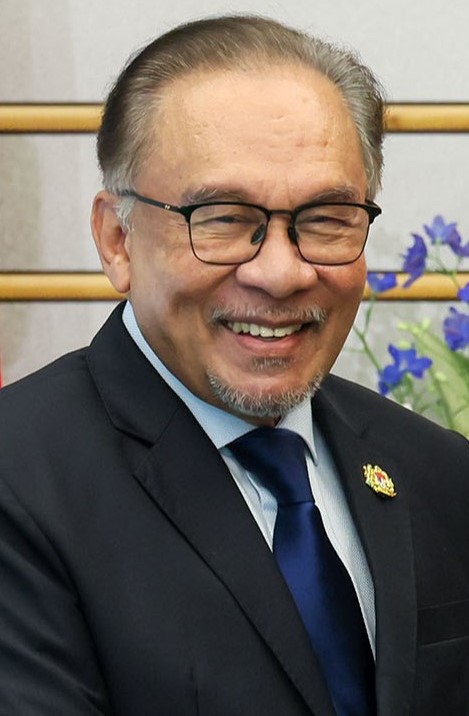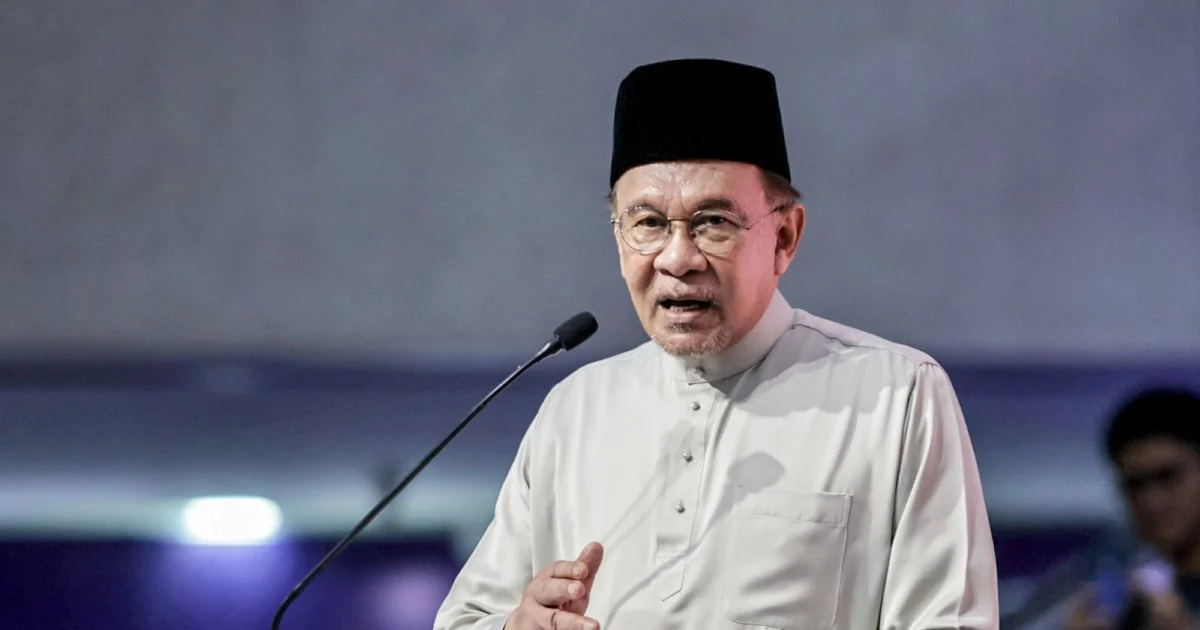
Tunku Ismail Sultan Ibrahim, the Tunku Mahkota of Johor, received Prime Minister Datuk Seri Anwar Ibrahim during an audience in Kuala Lumpur today, with government officials characterising the gathering as a positive and constructive engagement between the two leaders.
The meeting represents a continuation of the working relationship between the federal executive branch and Johor's royal household, an institution that carries considerable influence in Malaysia's constitutional and political framework. As heir to the Johor throne, the Tunku Mahkota occupies a position of significant constitutional authority and serves as an important stakeholder in national governance, particularly on matters affecting his state's development and the broader interests of the Malay-Muslim populace.
The cordiality and harmony attributed to the encounter suggests that both parties sought to demonstrate alignment on key national priorities. Such public messaging around royal audiences carries symbolic weight in Malaysia's governance structure, where the monarchy plays a custodial role in upholding constitutional provisions and representing continuity in the political order. The emphasis on the tone of the meeting may signal efforts to maintain stability within the upper echelons of power.
Johor holds strategic importance within Malaysia's political landscape as a substantial economic and demographic centre. The state's relationship with federal leadership influences policies affecting commerce, infrastructure, and intergovernmental coordination. A harmonious connection between the Tunku Mahkota and the Prime Minister therefore carries implications extending beyond ceremonial courtesy, touching on substantive matters of governance and state development.
The Tunku Mahkota's role has evolved considerably in recent years, reflecting broader transformations within Malaysia's royal institutions. His public visibility and engagement with contemporary issues have positioned him as a modernising figure within the traditional framework of constitutional monarchy. Meetings with the Prime Minister serve to reinforce institutional partnership in addressing challenges ranging from economic resilience to social cohesion.
For Prime Minister Datuk Seri Anwar Ibrahim, such engagements form part of a broader effort to cultivate relationships across Malaysia's power structures. The federal government operates within a constitutional system that requires coordination with the nine Malay sultanates, each possessing defined prerogatives. Regular engagement with royal institutions, particularly through formal audiences, represents a fundamental aspect of executive governance in Malaysia's unique political arrangement.
The timing and location of the audience in Kuala Lumpur reflects protocol considerations within Malaysia's governing framework. Formal meetings between the Prime Minister and members of the royal household typically take place in settings that acknowledge both ceremonial significance and practical accessibility for the federal leadership. The choice of venue underscores the importance Malaysia's political system accords to such interactions.
Beyond the bilateral relationship, the meeting illustrates the mechanism through which Malaysia's constitutional monarchy and elected government maintain dialogue. This interaction pattern has historically served as a stabilising feature of Malaysian governance, allowing for informal consultation and the alignment of perspectives on national direction. The absence of tension in such encounters carries significance for domestic political stability.
Stakeholders monitoring Malaysian governance will likely interpret the cordial characterisation as an indicator of cohesion within the country's institutional leadership. The federation's stability depends substantially on harmonious relations between federal authorities and state governments, with royal institutions serving as anchors for constitutional propriety and national unity. A constructive encounter between the Prime Minister and the Tunku Mahkota reinforces confidence in these interconnected systems.
Moving forward, such audiences may facilitate discussion on matters of mutual concern, ranging from economic coordination and resource allocation to broader national objectives. The Tunku Mahkota's willingness to receive the Prime Minister in audience demonstrates openness to engagement, a posture that typically bodes well for productive governance between federal and state structures.
For observers of Malaysian politics, particularly within Southeast Asia, these interactions remind us that the country's governance model remains deeply embedded within constitutional and institutional frameworks that differ markedly from neighbouring democracies. The salience of royal institutions and the ceremonial dimensions of political engagement reflect Malaysia's specific historical trajectory and constitutional settlement. Understanding these dynamics proves essential for comprehending how power circulates and policies emerge within the Malaysian system.