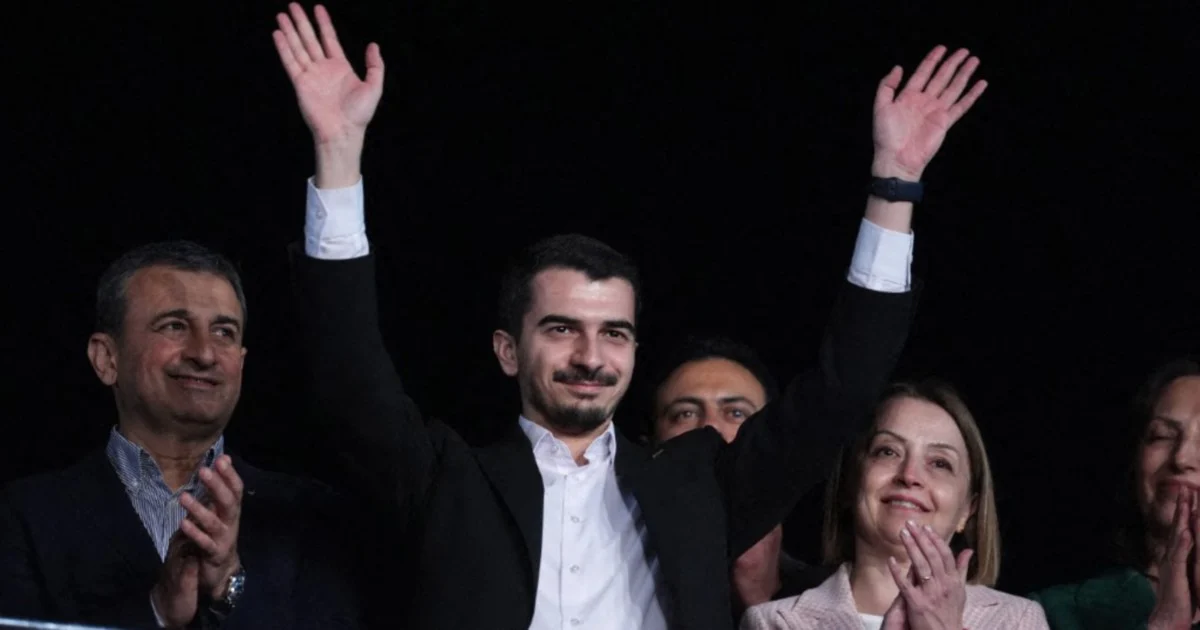
Turkish prosecutors in Ankara have initiated a major corruption investigation that has resulted in detention orders for 36 suspects, marking a significant development in an ongoing probe into alleged bribery and tender manipulation. Among those targeted is the mayor of a district in the capital that falls under the administration of Turkey's leading opposition party, signalling that anti-corruption efforts are extending across political divides in the country's governance structures.
The Ankara chief prosecutor's office confirmed the detention orders on Thursday, indicating that the investigation has reached a critical phase where authorities believe they have accumulated sufficient evidence to justify taking custody of the named individuals. The scope of the probe, which encompasses dozens of suspects, suggests systematic irregularities rather than isolated instances of misconduct, potentially pointing to an entrenched network of corruption within municipal administration and contract management.
Turkey has long struggled with perceptions of institutional corruption, particularly regarding public procurement processes where competitive bidding is sometimes circumvented through collusion between officials and private contractors. The tender-rigging allegations in this case reflect concerns that have periodically surfaced in municipalities across the country, where the awarding of construction contracts and service provision agreements has occasionally lacked transparency and competitive integrity.
The involvement of an opposition-controlled municipality introduces a complex political dimension to the investigation. While Turkish authorities have faced recurring criticism from international observers and domestic political opponents regarding selective application of anti-corruption measures, the targeting of an opposition-led district administration may serve to either demonstrate evenhandedness or invite accusations of political weaponization, depending on broader perceptions of how such investigations are conducted and prosecuted.
Municipalities in Turkey exercise substantial control over urban development, infrastructure contracts, and service delivery arrangements, making them attractive targets for those seeking to circumvent transparent procurement procedures. The alleged involvement of a district mayor suggests that those at the helm of local governance may have participated in or facilitated arrangements that benefited particular bidders while disadvantaging legitimate competitors and inflating costs borne by taxpayers.
Ankara, as Turkey's capital and seat of government, commands heightened scrutiny regarding administrative conduct and probity. Districts within the metropolitan area exercise budgets of considerable scale, and the municipal offices directing spending decisions wield influence over substantial economic activity. Any compromise of procurement integrity at this level carries implications extending beyond the immediate administrative boundaries, potentially affecting contractors and businesses throughout the region.
The bribery allegations typically involve payments or inducements offered by construction firms or service providers to municipal officials in exchange for favourable contract awards or regulatory treatment. Such arrangements artificially inflate project costs, divert public resources from intended purposes, and undermine the legitimacy of municipal administration in the eyes of residents and business communities who lose confidence in fair and impartial governance.
The detention of such a large cohort of suspects indicates that authorities view the investigation as sufficiently mature to warrant custodial measures designed to prevent obstruction of justice, witness intimidation, or destruction of evidence. The breadth of the operation also suggests that investigators have identified multiple points within the administrative apparatus where irregularities allegedly occurred, rather than concentrating on a single transaction or individual actor.
For Malaysia and the broader Southeast Asian region, Turkey's anti-corruption investigations offer cautionary lessons regarding the necessity of robust institutional safeguards around public procurement. Many nations across the region contend with similar challenges in ensuring competitive bidding, maintaining procurement transparency, and preventing collusion between officials and contractors seeking disproportionate advantages in contract awards.
The investigation also underscores the importance of prosecutorial independence and institutional mechanisms capable of investigating allegations impartially, regardless of the political affiliation of the officials involved. Building and sustaining public confidence in anti-corruption efforts requires consistent application of investigative and prosecutorial standards across all branches and levels of government.
Turkey's experience demonstrates that corruption in municipal administration can become sufficiently systematic to warrant coordinated investigative responses involving multiple prosecutors and law enforcement personnel. Such comprehensive approaches prove necessary when alleged irregularities extend across numerous transactions, multiple officials, and intricate networks of purported beneficiaries and intermediaries.
As the investigation progresses through Turkish courts, outcomes will likely reverberate through municipal administrations across the country, signalling that procurement impropriety carries genuine legal consequences. The case also tests Turkish judicial processes' capacity to handle complex corruption matters involving numerous defendants and voluminous documentary evidence related to tender processes and financial transactions.
The detention orders represent an intermediate step rather than a final determination of culpability, and all suspects remain presumed innocent pending adjudication. Nevertheless, the scale and specificity of the investigation indicate that Turkish authorities have identified patterns of conduct they believe warrant serious legal intervention and public accountability mechanisms.

