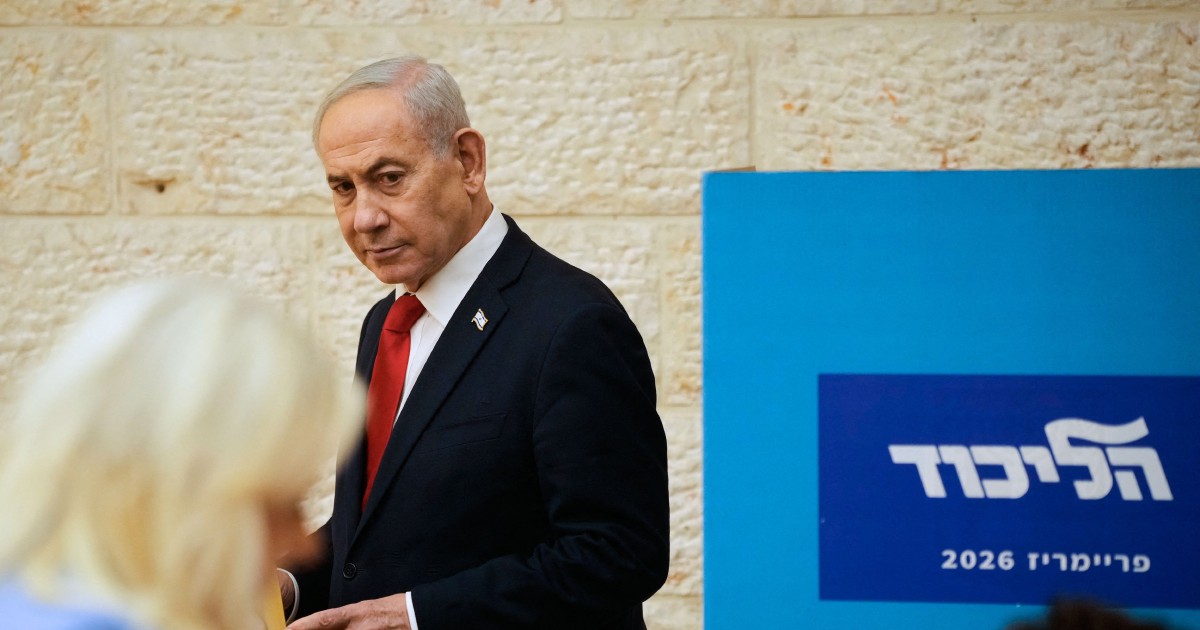
Turkey has taken the unprecedented step of issuing an international arrest warrant for Israeli Prime Minister Benjamin Netanyahu, escalating diplomatic tensions between the two countries over maritime and humanitarian operations in the eastern Mediterranean. Justice Minister Akin Gurlek made the announcement on Friday through the social media platform X, signalling Ankara's determination to pursue accountability through international legal channels regarding Israel's actions against a Gaza-bound aid vessel.
The warrant emerges from Turkey's formal investigation into circumstances surrounding Israel's interception of the humanitarian flotilla, an incident that has remained a point of significant friction between the two nations. The flotilla, intended to deliver relief supplies to Gaza's civilian population, was intercepted before reaching its destination, prompting Turkish authorities to launch inquiries into whether international maritime law and humanitarian norms were properly observed during the operation.
This development represents a notable escalation in the ongoing dispute between Turkey and Israel over operations affecting Gaza humanitarian access. The two countries have experienced deteriorating relations in recent years, with the Gaza conflict serving as a focal point for tensions. Turkey, under President Recep Tayyip Erdogan's government, has positioned itself as a vocal advocate for Palestinian causes and has consistently criticised Israeli military operations in Gaza.
The issuance of an international arrest warrant carries significant symbolic and practical implications. Such warrants typically circulate through Interpol's channels, potentially complicating Netanyahu's international travel and subjecting the Israeli leader to the risk of arrest should he visit countries with extradition agreements with Turkey or those honouring international legal instruments. However, practical enforcement remains complex given Netanyahu's status as a sitting head of government and the geopolitical considerations that influence international law enforcement cooperation.
From a Southeast Asian perspective, this development underscores how regional conflicts increasingly weaponise international legal mechanisms. Malaysian observers should note that similar maritime humanitarian disputes have touched the region's interests, particularly regarding access to critical sea lanes and the principle of humanitarian passage. The precedent of invoking international arrest warrants in such disputes carries implications for how maritime operations and aid delivery are regulated across diverse waters, including Southeast Asian waters where competing claims and humanitarian concerns intersect.
Turkey's legal action reflects broader patterns of polarisation surrounding the Gaza conflict, where countries are increasingly deploying diplomatic, economic, and legal tools to advance their positions. The warrant announcement through social media suggests Ankara's intent to maintain public pressure on the issue whilst pursuing formal channels. This dual-track approach combines public messaging with institutional action, a strategy frequently observed in contemporary international disputes where media amplification accompanies legal proceedings.
The flotilla incident itself carries historical resonance. Previous maritime operations involving Gaza aid convoys have resulted in international incidents and investigations, with Turkey maintaining particular sensitivity regarding its own vessels and citizens. The government's decision to pursue formal international legal remedies indicates that Ankara views the interception as sufficiently serious to warrant sustained prosecutorial attention, even amid the broader complexities of Turkey-Israel relations.
Israel's government has not yet formally responded to the warrant announcement at the time of publication, though such developments typically prompt official statements defending the legality and necessity of maritime security operations. Israeli officials generally argue that maritime interdictions serve legitimate security purposes and maintain that operational decisions comply with international law, a position disputed by Turkey and various international observers who question the proportionality of certain enforcement measures.
For Malaysia and other Southeast Asian nations maintaining diverse relationships across the Middle East and Eastern Mediterranean, this episode illustrates the intersection of humanitarian law, maritime sovereignty, and great power positioning. ASEAN countries frequently encounter similar tensions between navigating geopolitical alignments and upholding international humanitarian principles. Turkey's action may also influence how other nations calibrate their responses to Israeli operations affecting civilian populations, potentially encouraging greater recourse to international legal mechanisms as an alternative to military or economic countermeasures.
The warrant's practical impact on Netanyahu's movements remains uncertain. Sitting heads of state often enjoy immunities and protections that complicate arrest warrant enforcement, and international cooperation on such matters frequently reflects broader political calculations rather than purely judicial considerations. Nevertheless, the announcement signals that Turkey intends to maintain legal and diplomatic pressure on the issue, potentially complicating Netanyahu's international engagement and constraining his travel flexibility to certain regions.
This development also reflects Turkey's broader strategic positioning within Middle Eastern affairs and its cultivation of an independent foreign policy identity distinct from Western allies. Ankara's willingness to pursue formal legal action against a major Western ally's leader demonstrates its commitment to a multi-vector diplomatic approach that prioritises advocacy for Palestinian interests alongside other strategic considerations in the region.
The international arrest warrant will likely remain a point of contention in Turkey-Israel relations for the foreseeable future, potentially affecting bilateral engagement and serving as a backdrop for any future diplomatic negotiations between the two countries. For the broader Middle East and global community, the episode underscores how the Gaza conflict continues generating legal and diplomatic ripples that extend far beyond the immediate territorial dispute.

