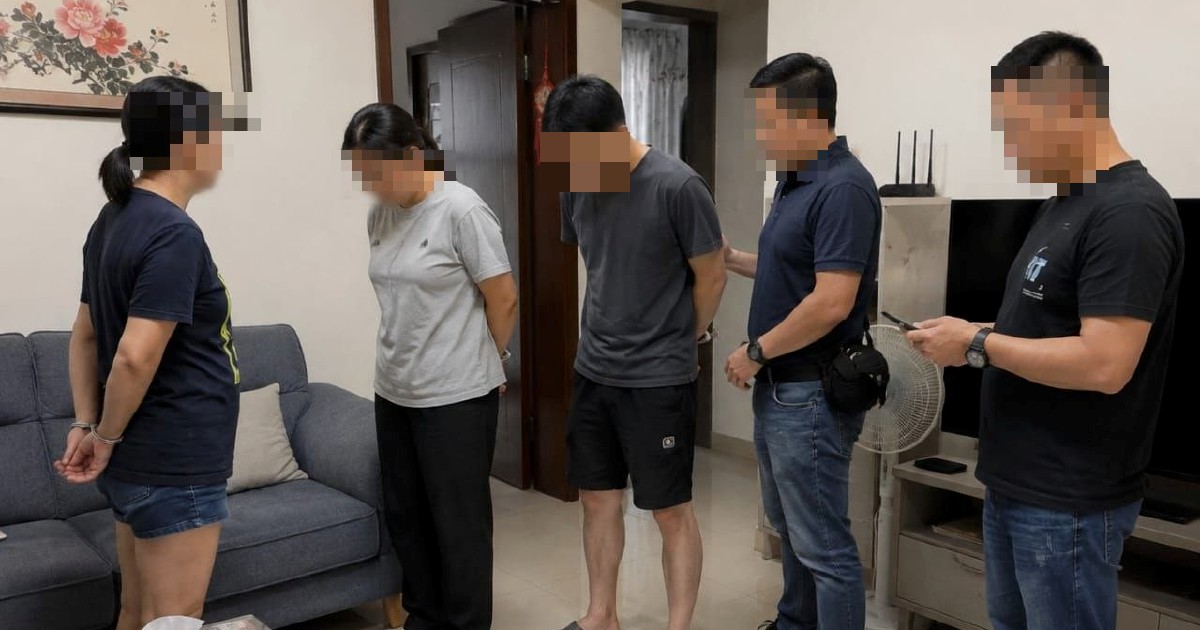
Authorities in Kota Kinabalu have successfully dismantled an organised fraud ring that exploited vulnerable members of the public through predatory spiritual services, with twelve individuals arrested during the operation. The syndicate is suspected of extracting approximately RM600,000 from victims who were misled into believing that fortune-telling consultations and purification rituals could eliminate negative spiritual influences from their lives.
The arrest operation represents a significant crackdown on organised deception targeting Sabah's communities. Law enforcement officials have characterised the network as a systematic scheme designed to capitalise on people's anxieties and superstitious beliefs. The group's operational model centred on convincing victims that mysterious malevolent forces were responsible for their personal misfortunes, then offering expensive spiritual interventions as solutions to these fabricated problems.
This case illuminates a troubling pattern across Malaysia and Southeast Asia, where spiritual consultation fraud continues to flourish despite increased public awareness. Scammers operating in this space deliberately exploit the gap between traditional belief systems and modern consumer protections. Unlike conventional fraud, spiritual healing schemes often prey on individuals experiencing genuine emotional distress—people facing relationship difficulties, financial pressures, or health anxieties who desperately seek external explanations for their circumstances.
The mechanics of such operations typically follow a predictable escalation. Initial consultations are often conducted at minimal cost or entirely free, establishing trust and identifying vulnerable targets. Subsequent sessions introduce increasingly alarming spiritual diagnoses, each requiring progressively more expensive remedial rituals. Victims find themselves locked in cycles of repeated payments, as the promised relief fails to materialise and practitioners claim that additional interventions are necessary to break supposed curses or spiritual blockages.
Sabah's tourism and economic development attract significant internal migration and a diverse population, creating environments where such schemes can operate with relative anonymity. The state's multicultural composition means victims may speak different languages or come from communities with varying degrees of familiarity with local reporting mechanisms and police procedures. This geographic and demographic complexity can make investigation and prosecution more challenging, though it also explains why authorities have prioritised dismantling established networks rather than pursuing individual offenders.
The RM600,000 recovered represents documented losses from complaints filed with police—the actual financial toll is likely considerably higher. Many victims never report spiritual healing fraud due to embarrassment or reluctance to admit they were deceived. This underreporting means that the syndicate's actual operations extended far beyond the measured figure, with potentially hundreds of additional individuals targeted across Sabah. The twelve arrests therefore may represent only the most visible operatives within a larger, more dispersed network.
Malaysian authorities have intensified focus on these operations following high-profile cases in neighbouring states and federal territories. The religious and cultural dimensions of such fraud create particular sensitivity, as legitimate spiritual practitioners and faith-based communities risk reputational damage when fraudsters operate under superficially similar guises. Distinguishing between genuine spiritual counselling and predatory deception requires community education alongside law enforcement action. Legitimate spiritual advisors and religious leaders have increasingly worked with police to distinguish fraudulent operations from authentic practice.
Victims of such schemes often experience profound psychological consequences beyond financial loss. Individuals discover that their problems persist despite substantial expenditure on supposed remedies, leading to compounded distress and sometimes depression. Some victims remain reluctant to seek conventional assistance—whether medical, financial, or psychological—because they remain partially convinced that spiritual solutions remain viable. This psychological aftermath can persist long after the fraud is exposed, particularly if victims have invested substantial resources or endured public embarrassment.
The investigation and arrest process demonstrates police commitment to protecting citizens from organised financial exploitation. However, prevention requires engagement beyond law enforcement. Community leaders, religious authorities, social workers, and educators must collaboratively address the underlying vulnerabilities that make people susceptible to spiritual fraud. This includes normalising discussions about mental health challenges, financial stress, and relationship difficulties in ways that encourage people to seek evidence-based professional assistance rather than turning to unverified spiritual practitioners.
Moving forward, the Sabah operation should prompt reflection among Malaysian authorities generally about how to strengthen consumer protections in the spiritual services sector. Unlike conventional businesses, spiritual practitioners often operate with minimal regulatory oversight. Establishing clearer guidelines about what constitutes permissible spiritual consultation versus fraudulent misrepresentation could help communities distinguish legitimate from exploitative practitioners. Public awareness campaigns specific to common spiritual fraud tactics have proven effective in other jurisdictions and merit consideration across Malaysia.
The twelve arrests represent tangible progress in Sabah's ongoing effort to protect residents from organised financial crime. However, the substantial sums involved suggest that demand for spiritual solutions to life's challenges remains robust throughout Malaysian society. Addressing this underlying demand through improved access to mental health services, financial counselling, and community support systems would represent a complementary approach to purely enforcement-based strategies. The success of this particular operation should ultimately be measured not only by arrests and recovered funds, but by the broader protection it provides to vulnerable populations across Sabah.

