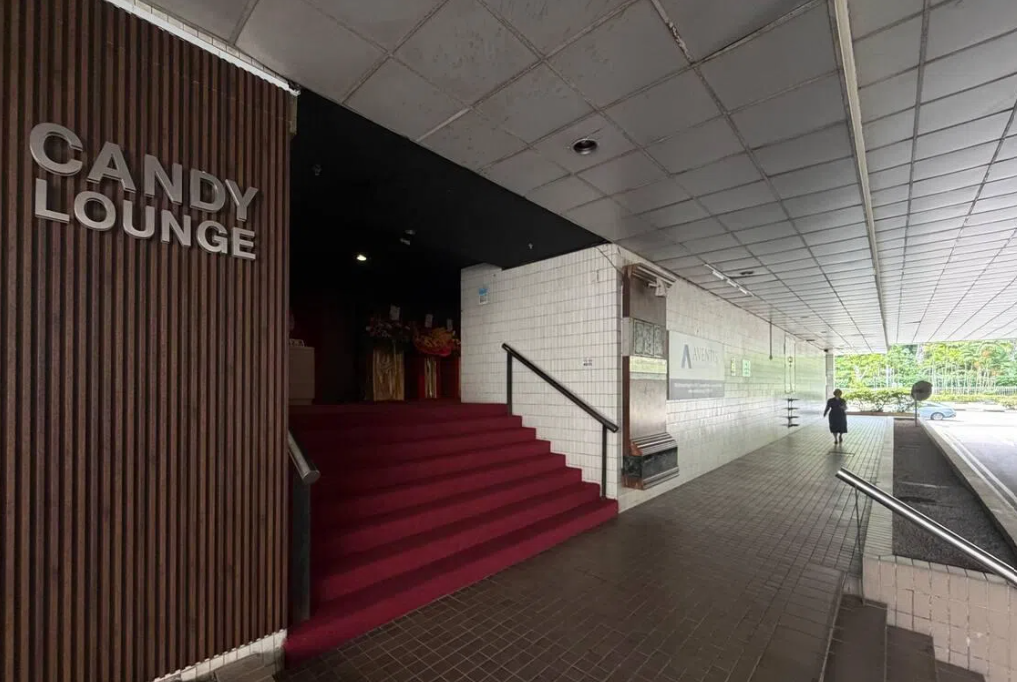
A violent confrontation outside a busy Singapore nightclub in the early hours of Thursday has resulted in two arrests and left four men requiring hospital treatment, marking the latest in a troubling surge of blade-related incidents across the city-state. The incident occurred near the junction of Orchard Road and Buyong Road around 3am, when police and the Singapore Civil Defence Force responded to emergency calls for assistance at what authorities have identified as the Candy Lounge nightclub.
Upon arrival, emergency responders discovered four injured men, all aged 38, at the scene. Three of the victims sustained lacerations consistent with knife wounds, while the fourth man suffered only minor injuries. All four were conveyed to Tan Tock Seng Hospital and were conscious when transported, indicating the severity of their conditions did not warrant emergency resuscitation efforts. The swift response by first responders likely prevented more serious outcomes, though medical teams at the hospital would have conducted thorough assessments of potential internal injuries.
Subsequent police investigations identified two suspects aged 25 and 27, both of whom were arrested on suspicion of voluntarily causing hurt by dangerous means—a charge that reflects the use of a weapon in the altercation. The 27-year-old suspect was himself transported to Tan Tock Seng Hospital while under police custody, remaining conscious throughout the process. Critically, officers recovered a knife from the scene, which now forms part of the evidence undergirding the criminal investigation and will likely feature prominently in any prosecution.
According to reporting by Chinese-language outlet Lianhe Zaobao, the violence erupted when two separate groups of patrons clashed outside the establishment. The newspaper's account suggests that at least one person sustained a neck wound during the melee, indicating the brutality of the confrontation and the potential for fatal consequences had the injuries been inflicted differently or with greater force. Such details underscore how quickly recreational outings can deteriorate into life-threatening situations when weapons become involved.
The Candy Lounge operates on a schedule that extends from 10pm to 3am on standard nights, with hours extended to 4am on Saturdays and public holidays—a timeline that places the incident squarely within the venue's operational window. This timing is significant for venue management and law enforcement alike, as it suggests the incident occurred during peak customer hours when staff supervision and security measures should theoretically be most robust. The establishment's extended hours make it representative of Singapore's vibrant but occasionally volatile nightlife sector, where alcohol consumption and confined spaces can amplify interpersonal tensions.
When journalists from The Straits Times visited the scene approximately six hours after the incident, at around 9:20am, no visible police presence remained and traffic flow had normalized completely. This rapid restoration of order is typical of Singapore's efficient public safety response, yet it also meant that casual passersby encountered no visible reminder of the violence that had unfolded mere hours earlier. Two nearby shopkeepers operating businesses in Orchard Plaza, including a money changer and mini-mart, expressed surprise when contacted, confirming they had neither witnessed the incident nor been notified by security personnel about what had transpired in their immediate vicinity.
The incident arrives against a deeply concerning backdrop of escalating weapon-related violence in Singapore. Official crime statistics reveal that knife-related incidents have climbed to 75 cases during the first half of 2025, representing a significant jump from 59 incidents recorded during the same period in 2024. This 27 percent increase signals a troubling trend that has prompted both law enforcement and community safety advocates to intensify focus on prevention, deterrence, and enforcement strategies. For Malaysian readers monitoring regional security developments, this uptick in Singapore reflects broader challenges facing developed Asian cities where urban density, diverse populations, and accessible venues create complex public order challenges.
The rise in blade violence raises important questions about venue security protocols, police visibility in entertainment districts, and whether current penalties sufficiently deter individuals from carrying and using knives. Orchard Road remains one of Singapore's most commercially significant areas, home to major shopping centers, entertainment venues, and hospitality establishments that draw both residents and tourists. The occurrence of violent crime in such a visible location inevitably affects perceptions of safety among consumers and businesses, potentially influencing foot traffic and commercial activity.
For the broader Southeast Asian region, including Malaysia, Singapore's experience with rising knife violence offers important lessons. As cities across the region develop increasingly vibrant nightlife and entertainment sectors, questions of security coordination between venue operators, law enforcement, and community watch programs become increasingly pressing. The incident highlights the importance of robust security training for nightclub staff, effective communication with police about high-risk situations, and public awareness campaigns about the consequences of carrying weapons.
The police investigation remains ongoing, and authorities have not yet released details about potential motivations for the clash or the relationship, if any, between the arrested suspects and the injured parties. Establishing whether the violence stemmed from a dispute between rival groups, personal animosity, or random confrontation will be crucial for determining appropriate charges and sentences. Additionally, investigative findings may inform broader conversations about security enhancements in Orchard Road's entertainment venues.
The Candy Lounge has not yet responded to media inquiries seeking clarification about security measures, incident response protocols, or whether staff attempted to intervene during the altercation. Such responses from venue management will be closely scrutinized by regulators and the public, particularly given the establishment's prominent location and the severity of injuries sustained. This incident serves as a stark reminder that even in one of Asia's safest and most orderly cities, violence can erupt suddenly in spaces designated for leisure and enjoyment.

