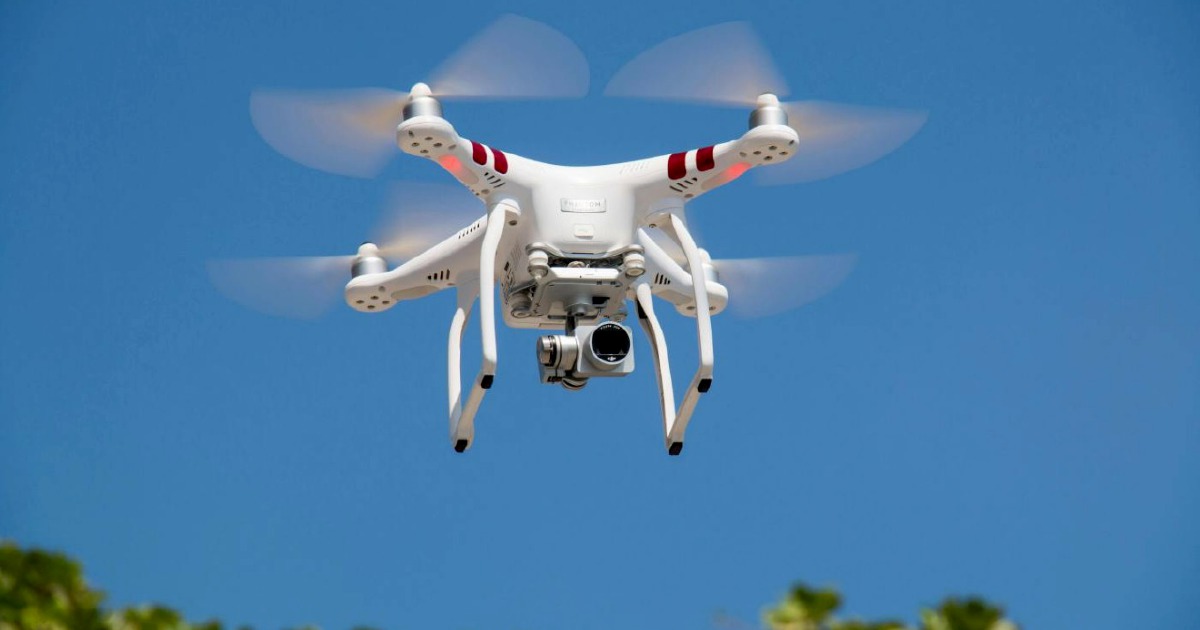
Police in Melaka have arrested two individuals suspected of orchestrating an elaborate scheme to deliver tobacco into Sungai Udang Prison using a drone. The arrests came after authorities conducted a raid on a residential property in Taman Kris Satria, Sungai Udang, on Wednesday, uncovering evidence linking the suspects to the smuggling operation.
The incident highlights a troubling trend across Malaysian prisons, where contraband movement has become increasingly sophisticated. Prison contraband operations represent a serious breach of institutional security, undermining rehabilitation efforts and creating safety concerns for both inmates and correctional staff. The use of drones in such operations demonstrates how smuggling networks continuously adapt to law enforcement methods, exploiting technological advances for illicit purposes.
The Sungai Udang Prison facility, located in Melaka's industrial heartland, has been a focal point for security operations in recent years. Smuggling attempts targeting the facility often involve items ranging from drugs and alcohol to tobacco products, all banned under strict prison regulations. These items command premium prices within the prison economy, making them attractive targets for criminal syndicates that operate both inside and outside correctional institutions.
Tobacco smuggling into prisons remains a persistent problem despite enhanced security measures. Prisoners value contraband tobacco highly, as official supplies are restricted and regulated. The contraband market inside prisons functions as a shadow economy where items serve as currency for transactions, debts, and transactions related to protection rackets. Breaking such networks requires coordination between prison authorities, law enforcement, and intelligence agencies.
The use of drone technology for smuggling represents a significant escalation in methodology. Unmanned aerial vehicles can bypass traditional security perimeters, fence monitoring systems, and guard patrols by approaching from above—a vulnerability that corrections authorities nationwide are only beginning to address comprehensively. Prison officials have yet to fully deploy effective counter-drone technology, leaving facilities susceptible to aerial delivery attempts.
This operation signals that enforcement agencies are becoming more proactive in identifying and intercepting smuggling attempts before they reach prison grounds. The Wednesday raid demonstrates intelligence-led policing, suggesting that authorities either intercepted communications between the suspects or received intelligence from informants regarding the planned operation. Such preventive action is significantly more effective than responding to successful smuggling incidents after contraband has entered the facility.
The investigation will likely reveal the broader smuggling network behind this operation, potentially implicating individuals with connections inside the prison itself. Typically, successful contraband operations require coordination between external suppliers, delivery operatives, and internal facilitators within the facility who arrange receiving points and distribution. Identifying all participants remains crucial for disrupting the entire operation.
For Malaysian and Southeast Asian correctional systems, this incident underscores the need for upgraded security infrastructure. Regional prison authorities should collaborate on developing counter-drone protocols, including detection systems, jamming capabilities, and designated drone-free zones with physical barriers. Investment in technological solutions must accompany traditional security measures to address evolving threats comprehensively.
The case also raises questions about the supply chain feeding prison contraband markets. Criminal organisations profit substantially from maintaining these operations, suggesting that law enforcement should simultaneously target smuggling networks at their source points rather than solely focusing on interception at prison facilities. Supply-side disruption is often more effective than demand-side suppression alone.
Further investigation will determine whether the suspects acted independently or as part of a larger criminal enterprise. The outcomes of police questioning and subsequent charges will provide insights into operational details, financial arrangements, and the extent of the smuggling network. Authorities will also examine whether the drone acquisition and operation required specialist knowledge or represented relatively straightforward technology deployment available to general criminal actors.
This incident occurs amid broader discussions about prison security modernisation across Malaysia. While technology offers new opportunities for contraband delivery, it simultaneously provides tools for enhanced monitoring and detection. Balanced investment in both security technology and human intelligence remains essential for maintaining institutional integrity and preventing the normalisation of contraband markets within correctional facilities.

