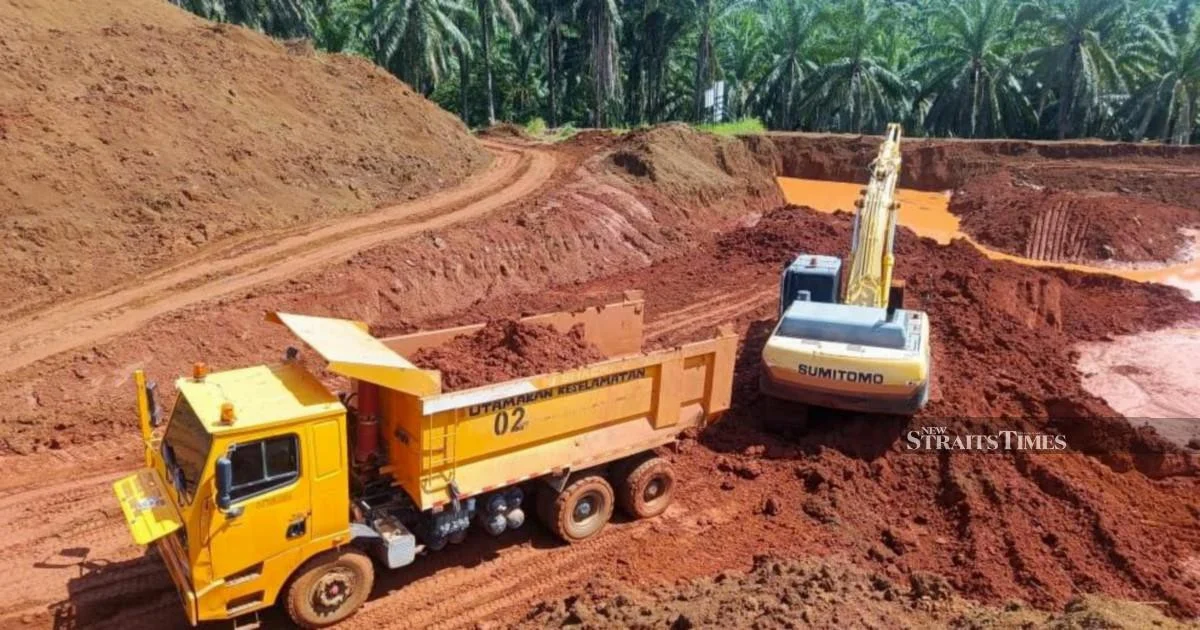
Police in Terengganu have detained two men following an investigation into illegal silica sand operations in Marang, with enforcement officers recovering equipment valued at RM1.8 million. The arrests mark another significant crackdown on unauthorised sand extraction and trafficking, which has emerged as a persistent environmental and regulatory concern across Malaysia's coastal regions.
The operation underscores the ongoing challenge authorities face in combating unlicensed mineral extraction activities. Silica sand, a vital industrial commodity with applications ranging from construction and glass manufacturing to semiconductor production, has become subject to heightened scrutiny as demand outpaces legitimate supply channels. The recovery of such substantial machinery suggests a sophisticated operation rather than opportunistic small-scale extraction, indicating organised involvement in the illegal trade.
Illegal sand mining operations represent a multifaceted problem for Malaysian enforcement agencies. Beyond the direct loss of state revenue and breach of mining regulations, uncontrolled sand extraction causes severe environmental degradation. Coastal and riverine ecosystems suffer erosion, altered water flow patterns, and habitat destruction when sand is removed without proper oversight or restoration protocols. In Terengganu specifically, which has experienced significant sand-related environmental incidents in recent years, such operations compound existing sustainability challenges.
The scale of seized equipment valued at RM1.8 million indicates this was not a casual venture. Industrial-grade machinery requires substantial capital investment and operational knowledge, suggesting the suspects may have been part of a larger network orchestrating the illegal transfer process. Such networks typically involve multiple stakeholders—equipment owners, transportation providers, logistics coordinators, and buyers—each playing specific roles in circumventing regulatory frameworks.
For Malaysian readers, these arrests carry implications extending beyond Terengganu's borders. Silica sand illegally sourced from Malaysian waters and land often enters regional supply chains, undercutting legitimate producers and distorting market prices. Neighbouring countries including Thailand, Indonesia, and Singapore have documented transnational sand trafficking networks, and Malaysia's position as a significant source region makes cooperation with regional enforcement agencies critical. The ASEAN region collectively loses substantial revenue to illegal sand mining and trafficking annually.
The arrested individuals now face potential charges under Malaysia's mining and environmental legislation. Depending on the specifics of their alleged involvement, penalties could include imprisonment and substantial fines. Beyond individual liability, authorities may investigate whether permits were fraudulently obtained, whether licensed operators were used as fronts for illegal activity, or whether corruption facilitated the operation's continuation.
Marine and terrestrial sand extraction remains heavily regulated in Malaysia because uncontrolled removal threatens coastal stability, infrastructure security, and biodiversity. Government policy mandates environmental impact assessments, restoration bonds, and regular compliance audits for legitimate operators. Illegal operators bypass these requirements entirely, creating unfair competition while externalising environmental costs onto society and future generations.
The Marang operation highlights the resource intensity required for effective enforcement. Detecting illegal sand movements demands coordinated efforts among multiple agencies—the Mineral and Geoscience Department, port authorities, local councils, and police—to monitor extraction sites, track transportation routes, and intercept illicit cargo. Intelligence sharing and technological tools like satellite monitoring have improved detection capabilities, yet determination by criminal operators ensures enforcement remains an ongoing challenge.
Industry observers suggest that strengthening demand-side oversight could complement enforcement efforts. Requiring purchasers of sand and silica to verify supply chain legitimacy, coupled with penalties for knowingly purchasing illegal material, would reduce market incentives for smuggling. Some Malaysian construction firms and manufacturers have begun implementing such verification protocols, recognising that reputation risks and potential liability exposure make sourcing from reputable suppliers prudent.
Looking forward, the sustainability of Malaysia's sand sector depends on balancing legitimate industrial demand against environmental protection. As regional development accelerates and construction booms continue across Southeast Asia, pressure on sand resources intensifies. Countries facing severe sand shortages have already experienced dramatic consequences, from environmental catastrophe to criminal syndicates wielding enormous economic and political influence. Malaysian policymakers must remain vigilant in preventing such scenarios through consistent enforcement, regulatory updates, and international cooperation.
The successful recovery of substantial machinery in the Marang case demonstrates that enforcement operations can yield meaningful results. However, individual arrests remain reactive measures. Comprehensive strategy requires sustained investigation of trafficking networks, prosecution of higher-level organisers, and systematic disruption of buyer-seller relationships sustaining the illegal trade. Authorities must also engage resource-dependent communities by providing alternative economic opportunities, addressing root causes that make illegal extraction appealing to participants at all levels.
As investigations continue into the Marang operation, authorities will likely examine financial records, communications, and supply relationships to determine the full scope of illegal activity. Such inquiries frequently reveal connections to other illicit operations, potentially triggering additional enforcement actions. The case serves as reminder that Malaysia's natural resources require constant protection through vigilant oversight and decisive action against those seeking to exploit them unlawfully.

