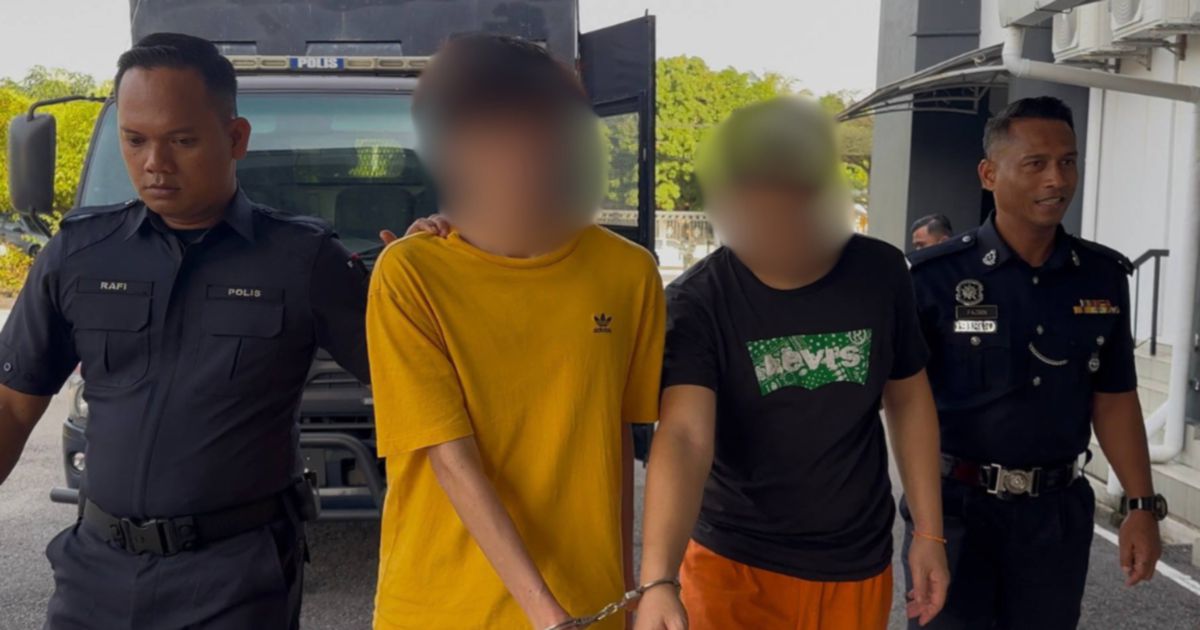
Authorities in Johor Baru have expanded their investigation into a suspicious death with the arrest of two men, following the discovery of a bound and netted body in a river waterway on the weekend. The corpse was retrieved from Sungai Tanjung in the Parit Raja area, triggering a police response that has now yielded multiple arrests as investigators seek to unravel the circumstances surrounding the incident.
The condition in which the body was discovered—secured within a net and bound with restraints—suggests premeditation and points toward foul play. The deliberate concealment method indicates an attempt to dispose of the remains or delay identification, patterns commonly associated with criminal activity rather than accidental death. Such discoveries invariably trigger heightened police attention and typically result in swift escalation of investigative efforts, particularly given the deliberate nature of the body's presentation.
The Johor Baru police force has taken lead responsibility for the investigation, recognizing the severity of the case. The involvement of multiple suspects underscores the complex nature of the incident and suggests that rather than an isolated act by a single perpetrator, this matter involves coordinated activity among several individuals. The progression from initial discovery to expanded arrests indicates that investigators have rapidly gathered sufficient evidence to justify detention of additional persons of interest.
The location where the body surfaced—Sungai Tanjung waterway—has become a focal point for investigators as they canvas the area for witnesses and additional evidence. Rivers and water bodies frequently become disposal sites in criminal investigations, as perpetrators believe water will either conceal evidence or facilitate transport away from crime scenes. The fact that this body was discovered at all suggests either that disposal efforts were incomplete or that chance discovery intervened.
The weekend discovery initiated a chain of events that has accelerated quickly through investigative channels. Initial police response would have included scene preservation, preliminary autopsy procedures to establish cause of death, and preliminary interviews with individuals who might provide leads. The speed with which follow-up arrests were made suggests police either identified suspects through witness testimony, CCTV footage, or other preliminary evidence gathered at the scene.
For Malaysian readers, such incidents highlight ongoing concerns about violent crime in urban and semi-urban areas of Peninsular Malaysia. The Johor region, as an economically significant state with substantial population centers, has experienced periodic spikes in serious criminal incidents. These incidents typically receive significant police resources and media attention, reflecting both public concern and the seriousness with which authorities treat such matters.
The arrest of multiple suspects raises questions about the motive and relationship between perpetrators and victim. Criminal investigations of this nature typically explore several avenues: whether the death arose from a dispute within a specific circle, whether robbery or financial motivation was involved, or whether organized criminal elements played a role. The number of individuals involved may provide clues regarding which of these categories the case falls into.
The investigative process from this point will likely involve detailed forensic examination of the body to establish time of death, cause of injury or death, and any biological or trace evidence that might identify the victim or provide leads regarding perpetrators. Interviews with arrested individuals, cross-referenced with evidence gathered at the scene and from the victim's body, will form the foundation of the prosecution case should charges be laid.
This incident also raises broader questions about crime prevention and community safety in the region. The deliberate nature of body disposal suggests calculation and potential criminal experience among those involved, concerns that extend beyond this individual case to community security more generally. Residents of affected areas often become more security-conscious following such discoveries, and police typically engage in community liaison to both gather additional information and address public anxiety.
The investigation remains active, and police have indicated that further arrests remain possible as inquiries progress. The involvement of multiple suspects and the apparent organized nature of the disposal suggest that additional individuals may have been aware of or complicit in the circumstances. Investigators will be examining communications, movement records, and financial transactions to establish connections between arrested individuals and to trace the sequence of events leading to the body's discovery in the river.

