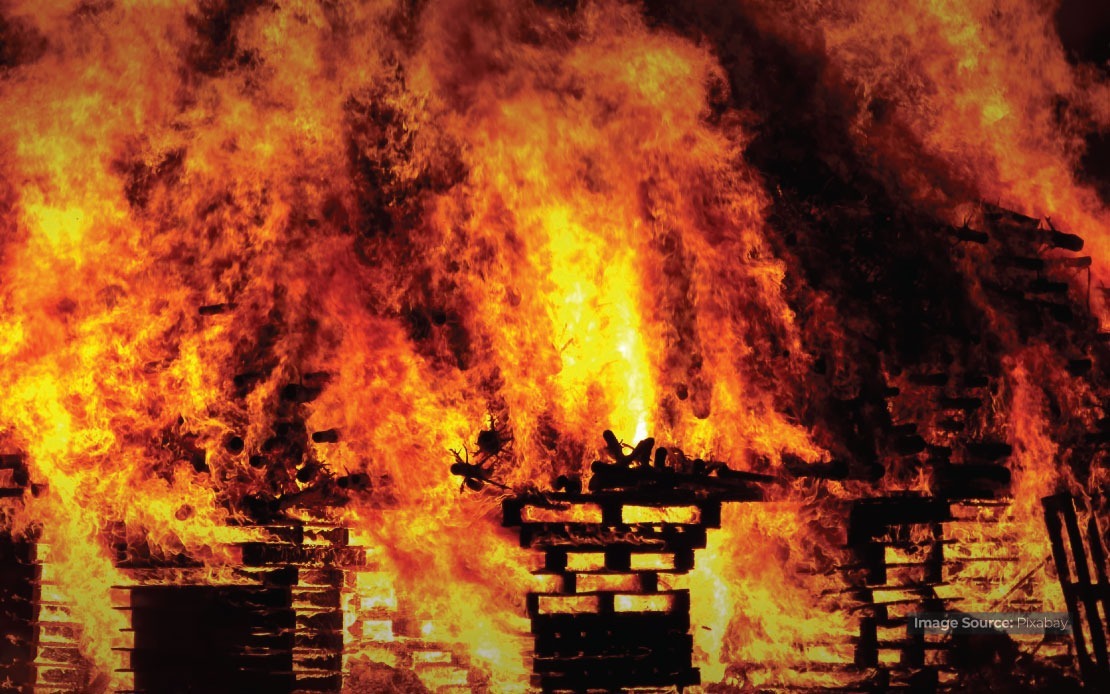
A fire that erupted in a residential building in Schaerbeek, part of the Brussels-Capital Region, resulted in two fatalities and eight injuries early on Sunday morning. The incident prompted swift mobilisation of emergency response teams across the region, with authorities providing immediate medical attention and support to those affected. Local officials have launched a formal investigation to establish what triggered the blaze and how it spread so rapidly through the building.
Among the eight individuals who sustained injuries, two were hospitalised with serious medical conditions requiring intensive care at regional hospitals. The remainder also received treatment at various medical facilities throughout Brussels-Capital Region. Emergency medical personnel worked swiftly to extract occupants from the affected building and provide on-site stabilisation before transfer to appropriate healthcare facilities. The injury toll underscores the speed and severity with which the fire developed, leaving residents with minimal time to evacuate safely.
The Schaerbeek municipality, under acting Mayor Martin de Brabant, immediately activated its emergency response framework in the wake of the incident. This administrative action enabled a coordinated approach involving multiple municipal departments and emergency services working in concert to address immediate humanitarian needs. De Brabant's decision reflected the gravity of the situation and the urgency of providing comprehensive assistance to those displaced by the fire.
Brussels Fire Brigade coordinated directly with municipal authorities to receive and accommodate residents who were forced to leave their homes. The joint statement issued by both organisations emphasised their commitment to delivering coordinated emergency support across medical, psychological, and material assistance domains. This multi-faceted response recognised that fire-related trauma extends beyond immediate physical injuries to encompass psychological distress and the loss of shelter and possessions.
Investigative efforts began immediately, with the public prosecutor's office engaging specialist personnel to examine the fire scene in detail. A dedicated laboratory team and fire safety expert were assigned to reconstruct the sequence of events and identify the circumstances that allowed the fire to ignite and propagate. Such investigations typically examine building construction materials, electrical systems, gas connections, and occupant behaviour to determine whether the incident resulted from human error, equipment malfunction, or structural deficiencies.
The determination of fire causation holds significance not only for legal accountability but also for broader fire safety standards across Brussels residential infrastructure. Apartment fires in densely populated urban settings present particular challenges due to shared ventilation systems, common stairwells, and proximity of multiple dwelling units. Understanding how this fire developed will inform whether additional safety measures are warranted in similar buildings across the city.
For Malaysian observers, this incident highlights the importance of robust fire safety protocols in residential buildings, particularly in densely urbanised areas. Malaysian cities including Kuala Lumpur have experienced residential fires in high-rise apartment complexes, making the European experience relevant to local fire safety discussions. The Brussels incident demonstrates how coordinated emergency response systems and rapid institutional mobilisation can mitigate casualty numbers in such disasters.
The psychological and practical dimensions of the Schaerbeek fire extend beyond the immediate casualty figures. Displaced residents required not only emergency shelter but also psychosocial support following their traumatic experience. Belgian authorities' explicit commitment to providing such comprehensive assistance reflects contemporary understanding that disaster response must address holistic human needs rather than purely medical intervention. This approach aligns with best practices increasingly adopted in Southeast Asian emergency management frameworks.
The investigation phase will likely take weeks or months to conclude, with findings potentially influencing building regulations and fire safety standards in Brussels and beyond. Belgian authorities' systematic approach—utilising specialized laboratory analysis and expert examination—represents the methodological rigour expected in developed European fire investigation protocols. Such thoroughness, while sometimes lengthy, ultimately produces definitive conclusions about causation rather than speculation.
The incident serves as a sobering reminder that residential building fires remain a significant public safety challenge even in well-developed cities with sophisticated emergency response capabilities. The rapid deployment of resources, coordination between municipal and emergency services, and commitment to comprehensive victim support demonstrate how modern urban systems respond to such crises. For regional readers, the Brussels experience offers instructive lessons about institutional preparedness, inter-agency coordination, and the multifaceted nature of effective disaster response in urban residential environments.

