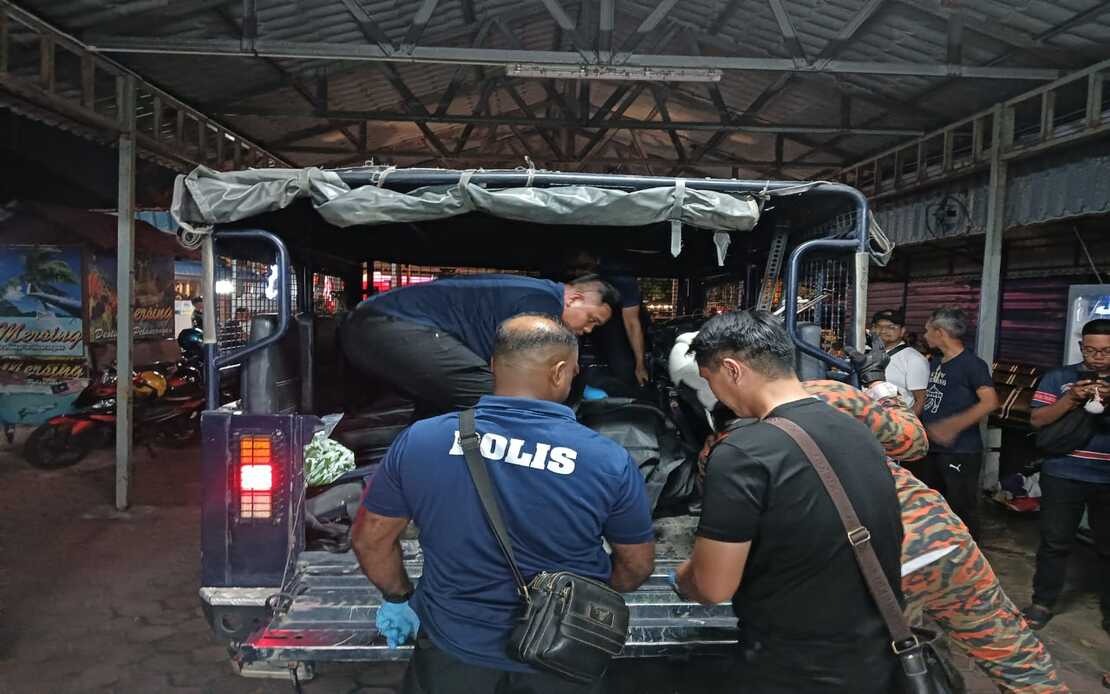
A devastating collision between two vessels near the Sungai Mersing estuary in Johor has resulted in two deaths and four injuries, marking another serious maritime incident in Malaysian waters. Emergency services responded swiftly to the incident, which unfolded late on August 31, with the Fire and Rescue Department receiving notification of the accident at 9:04 pm. The rapid mobilisation of rescue personnel from the Mersing station highlighted the importance of maintaining adequate emergency response capabilities in coastal communities, though the tragedy underscores the persistent risks facing waterway users in the country.
The Fire and Rescue Department despatched a full contingent of nine personnel from Mersing Fire and Rescue Station to the scene at Mersing Jetty, deploying both a Fire Rescue Tender and a Fire Response Vehicle to manage the emergency. Upon arrival, the operational team immediately confirmed that a two-boat collision had occurred and began their rescue and recovery efforts. The speed of the emergency response was critical in the minutes following the collision, though medical personnel at the scene ultimately confirmed that two individuals had perished in the incident. These two deceased victims were subsequently transferred to police custody for the formal procedures that follow such tragedies, including identification and determination of cause of death.
The four remaining victims from the collision sustained various injuries that required medical intervention. These individuals are currently receiving treatment as emergency medical teams assess the extent of their injuries and determine the appropriate level of care required for their recovery. The nature and severity of these injuries have not been publicly detailed, though the involvement of medical personnel and the continuation of rescue operations suggests that immediate medical attention was required for those aboard the vessels.
Mersing District Police Chief Superintendent Abdul Razak Abdullah Sani confirmed the incident and indicated that the police department had initiated a formal investigation into the circumstances surrounding the collision. He noted that a detailed media statement addressing the incident would be released in the coming days as the investigation progresses and more information becomes available to the authorities. This investigative process will likely seek to determine the precise sequence of events that led to the collision, including factors such as visibility conditions, vessel speeds, navigation protocols, and whether either boat was equipped with proper safety equipment and lighting.
The incident reflects ongoing concerns about maritime safety along Malaysia's coastlines and estuaries, where commercial, recreational, and fishing vessels operate in sometimes congested waterways. The Sungai Mersing estuary serves as an important shipping and fishing area for the Mersing district, meaning that multiple vessels regularly operate in these waters. Collisions can occur due to various factors including poor visibility during evening hours, inadequate navigation equipment, operator fatigue, or failure to observe maritime traffic protocols. The investigation may reveal lessons applicable to improving safety standards across Malaysia's maritime sector.
For residents and business operators in Mersing, maritime incidents of this nature carry particular significance given the reliance of the district's economy on fishing and coastal tourism activities. The estuary is regularly used by local fishermen and tourism operators, making maritime safety an issue that extends beyond immediate safety concerns to broader economic and social considerations. The involvement of four injured individuals and the loss of two lives in a single incident demonstrates how quickly maritime accidents can escalate from routine operations to tragedy.
The emergency response protocols demonstrated in this incident highlight the critical role played by Malaysia's Fire and Rescue Department in coastal emergencies. The department's rapid mobilisation and coordination with medical personnel and police ensured that the situation was managed as effectively as possible given the circumstances. However, such incidents also prompt reflection on whether maritime safety measures, vessel maintenance standards, and operator training in Malaysia are sufficient to prevent such tragedies. International maritime safety standards exist to guide vessel operations and accident prevention, though implementation and enforcement can vary across different regions and vessel types.
As the police investigation proceeds, Malaysian maritime authorities may also review this incident as part of their ongoing assessment of safety practices in commercial and recreational boating operations. The involvement of two separate boats raises questions about the communication and navigation systems in use, the competence of vessel operators, and whether proper protocols were followed by both parties. Such reviews often lead to recommendations for enhanced safety measures, improved training requirements, or stricter enforcement of existing maritime regulations.
The incident serves as a sobering reminder to waterway users of the inherent risks associated with maritime travel and the importance of adhering to safety protocols. For tourists visiting Mersing and engaging in water-based activities, as well as for local fishermen and commercial operators, the tragedy underscores the need for regular safety equipment inspections, proper training certification, and vigilant navigation practices. The personal toll on the families of the deceased and those injured, combined with the broader implications for maritime safety discourse in Malaysia, makes this incident worthy of careful examination by policymakers and maritime safety stakeholders across the country.

