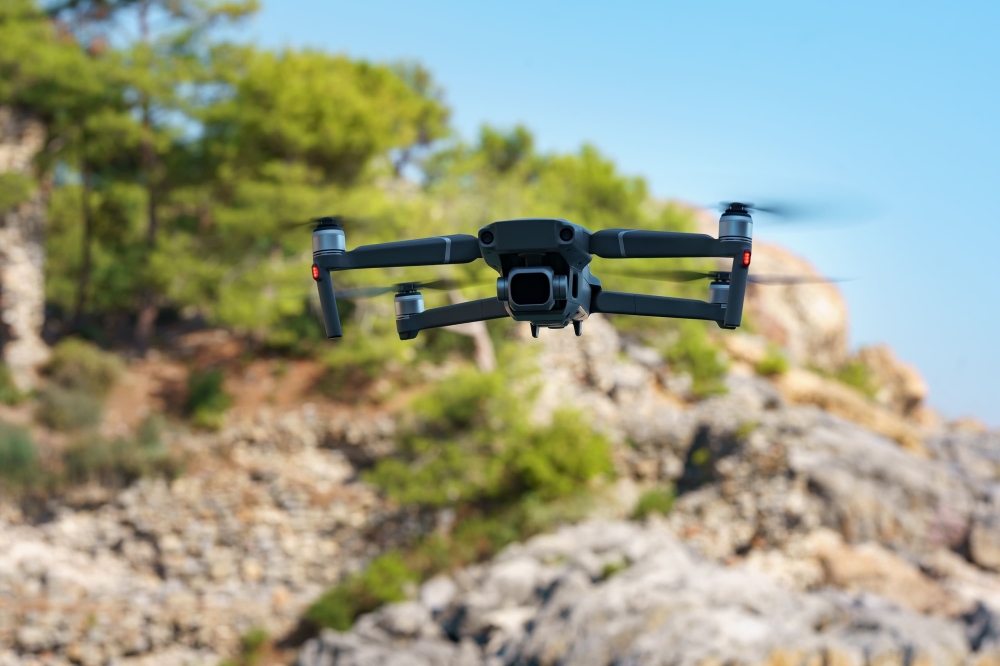
Security personnel at Sungai Udang Prison in Melaka have successfully intercepted what the Prisons Department describes as a coordinated smuggling operation involving a drone, leading to the arrest of two individuals suspected of involvement in the attempted breach. The incident, which unfolded in July, underscores an escalating trend of criminal networks attempting to introduce forbidden materials into Malaysian detention facilities through increasingly sophisticated technological means.
The Prisons Department's swift action in detecting and neutralising the contraband delivery attempt demonstrates the heightened vigilance now being maintained across the country's correctional system. Officials moved quickly to apprehend the suspects before any prohibited items could reach inmates within the facility, though detailed information regarding the nature of the intended cargo remains confidential as investigations continue. The use of drone technology to circumvent traditional perimeter security represents a departure from conventional smuggling methods and signals how organised criminal groups are adapting their tactics in response to enhanced conventional security measures.
This incident arrives amid broader concerns within Malaysia's law enforcement and correctional sectors about the vulnerability of prison facilities to external criminal interference. The deployment of unmanned aerial vehicles for contraband delivery has emerged as a growing problem in correctional facilities worldwide, offering perpetrators a method that minimises direct human contact and physical presence near prison boundaries. For Malaysian authorities, the Sungai Udang operation serves as a concrete example of challenges that require continuous evolution of detection and prevention protocols.
The Melaka facility, like other major correctional institutions across the nation, has faced previous security incidents that have prompted systematic upgrades to surveillance infrastructure and staff training programmes. The integration of advanced monitoring systems and coordination between ground security personnel has become essential as criminal enterprises invest resources into circumventing traditional barriers. The successful interception demonstrates that current measures retain effectiveness, though maintaining this edge requires sustained investment and technological development.
Investigators are examining what materials were targeted for delivery and which inmates may have been receiving them, an analysis that typically involves examining communication records, visitor logs, and financial transactions that might indicate external coordination. Understanding the full scope of the smuggling network remains crucial for preventing future attempts and identifying whether the operation represents an isolated incident or part of a larger criminal infrastructure attempting to penetrate Malaysian prisons systematically.
For the broader Southeast Asian region, incidents of this nature reflect how technological advancement creates new vectors for criminal activity. Other countries in the region have similarly encountered drone-based smuggling attempts at correctional facilities, suggesting that Malaysian authorities are not alone in confronting this challenge. Regional cooperation and information sharing regarding emerging methods and prevention techniques have become increasingly valuable as criminal networks operate across borders and jurisdictions.
The case also touches upon questions surrounding the supply chains through which drone technology becomes available to criminal actors and how regulatory frameworks governing unmanned aerial vehicles should evolve in response to misuse. Malaysia's approach to regulating drone imports and sales, while developed for civil aviation and privacy concerns, must now account for security implications within the correctional system and other sensitive facilities.
The detention of the two suspects initiates legal proceedings that will likely involve multiple investigative agencies, including the police, Prisons Department, and possibly anti-narcotics units if drugs are suspected to be the contraband in question. Their prosecution may establish important precedents regarding the legal framework surrounding attempted smuggling via technological means, an area where Malaysian jurisprudence continues developing as new methods emerge.
For prison management authorities, this incident reinforces the necessity of continued investment in perimeter security technology, personnel training, and coordination between detection systems and human observation. The financial and operational burden of maintaining such vigilance against multiple vectors of attack remains substantial, yet the alternative—allowing contraband to enter facilities—carries consequences for institutional security, inmate safety, and broader public order. Sungai Udang and similar facilities must balance security imperatives with operational efficiency and humane conditions.
Looking forward, the Prisons Department and law enforcement agencies will likely incorporate lessons from this incident into revised security protocols across the correctional system. Training programmes may be enhanced to ensure staff recognition of drone activity, while technological solutions such as radio frequency detection systems become standard equipment. Such preventive investments ultimately serve the dual purpose of protecting inmates and staff while disrupting criminal enterprises that profit from smuggling operations.

