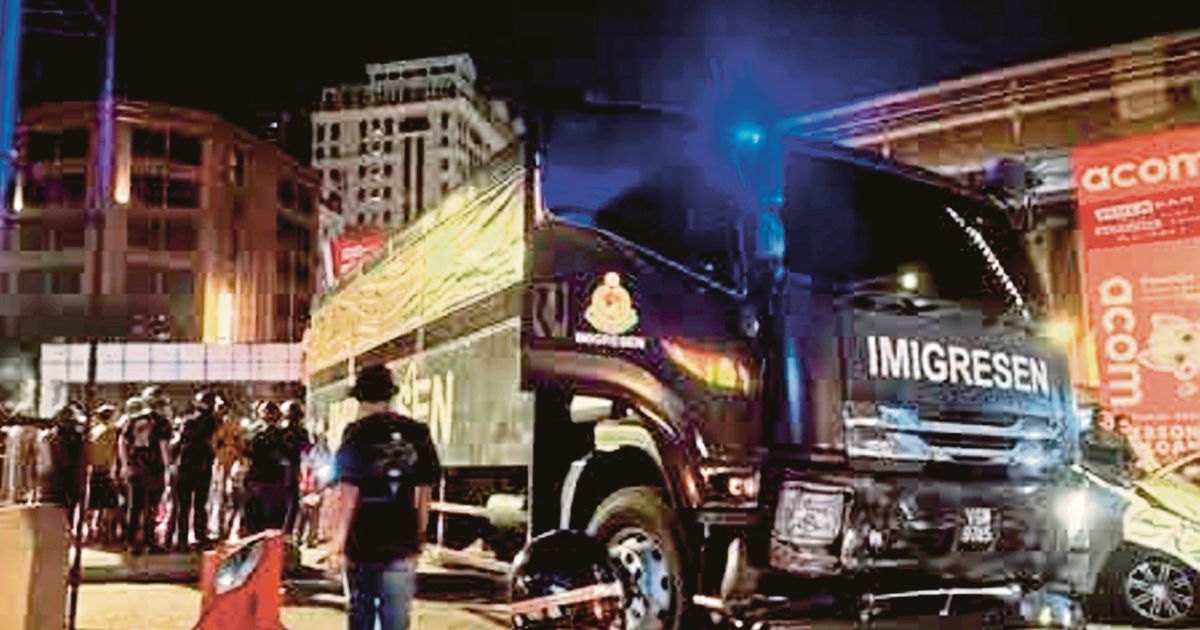
A tragic road accident in the heart of Kuala Lumpur has resulted in the deaths of three family members, prompting police to place two drivers under remand as investigations into the circumstances surrounding the crash proceed. The collision, which occurred along Jalan Sultan Ismail in the early morning hours, involved a vehicle operated by the Immigration Department and has since sparked questions about road safety protocols and vehicle operation standards in the capital.
Law enforcement officials confirmed that both drivers connected to the incident are now in police custody pending further examination of the evidence collected from the scene. The remand order reflects the severity of the collision and the fatalities that resulted, with authorities treating the matter with appropriate gravity given the loss of life involved. This custodial arrangement allows investigating officers time to gather comprehensive statements and forensic data before determining whether any criminal charges will be filed.
The victims of the crash—a father alongside his two daughters—represent a devastating personal tragedy with broader implications for road safety discussions within Malaysia. The incident serves as a stark reminder of the unpredictable hazards that motorists and pedestrians encounter on urban roadways, particularly during periods of lower traffic visibility when drivers may be more fatigued or less attentive. Jalan Sultan Ismail, a major thoroughfare in Kuala Lumpur's commercial and administrative district, handles substantial volumes of traffic throughout the day and night.
The involvement of an Immigration Department vehicle in the collision adds an additional layer of complexity to the investigation. Government-operated vehicles are expected to maintain stringent maintenance and safety standards, and their operators typically undergo specific training protocols. The crash therefore raises questions about whether all prescribed safety measures were adhered to and whether the vehicle was operating under appropriate conditions at the time of the incident.
For Malaysian road users and families who commute along major Kuala Lumpur thoroughfares, incidents of this nature underscore the critical importance of defensive driving practices and heightened awareness of road hazards. The early morning timeframe of the accident—when visibility may be compromised and driver alertness potentially diminished—represents a particularly vulnerable period for traffic incidents. Safety advocates have long flagged the need for enhanced measures during off-peak hours when accident severity often increases due to higher vehicle speeds and reduced congestion management.
The remand period allows the Royal Malaysian Police to conduct a thorough reconstruction of events leading to the collision. Investigators will likely examine multiple factors including vehicle maintenance records, weather and road conditions, traffic signal status if applicable, and the medical and operational fitness of both drivers at the moment of impact. Such detailed analysis is essential for establishing fault and determining whether negligence, mechanical failure, or other contributing factors played a role in the tragedy.
From a procedural standpoint, the decision to remand both drivers signals that police believe they require extended time to complete their preliminary investigation before deciding on the next course of action. While remand does not necessarily indicate guilt or criminal intent, it does suggest that authorities have sufficient preliminary evidence linking both individuals to circumstances warranting closer examination. The duration and conditions of remand will be subject to court review and approval.
The incident inevitably raises discussions within Malaysia's transport safety community regarding the adequacy of current road regulations and enforcement mechanisms. Vehicle operators, whether government or private sector entities, face ongoing pressure to demonstrate compliance with safety standards, particularly when tragedies result in multiple fatalities. The outcome of this investigation may inform future policy recommendations concerning vehicle inspection protocols and driver accountability measures across the transportation sector.
For the affected family and the broader community, this accident represents an irreplaceable loss that extends far beyond statistical road safety data. The deaths of a parent and two children in a single incident reflect the indiscriminate nature of traffic accidents and the importance of collective action toward accident prevention. Malaysian authorities and road safety organizations will likely use this incident as a case study for improving awareness campaigns and enforcement strategies aimed at reducing the frequency and severity of fatal collisions in urban areas.
The investigation into the Jalan Sultan Ismail collision remains active, with the remanded drivers' interrogations and evidence examination forming crucial components of the police inquiry. As details emerge from the investigation, authorities will determine whether charges are warranted and what lessons might be applied to prevent similar tragedies. The conclusion of this case will contribute to the ongoing national conversation about road safety standards and the responsibilities borne by all road users to exercise caution and adherence to traffic regulations.

