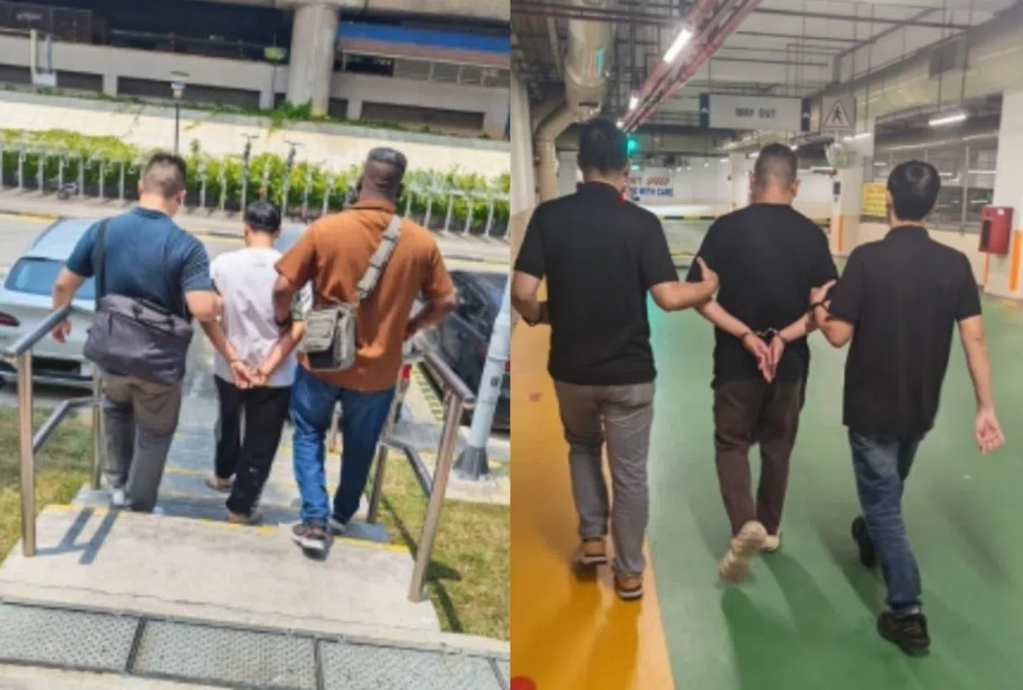
Singapore police arrested two Malaysian mobile phone shop workers this week in connection with an elaborate identity theft and money laundering operation that exploited government digital credentials to create fraudulent e-payment accounts. The suspects, aged 25 and 47, are accused of systematically harvesting Singpass login information from their customers and using those credentials to register LiquidPay digital wallet accounts without the account owners' knowledge or consent. The case reveals a troubling vulnerability in how cross-border retail workers can access and misuse sensitive identity documentation in their daily business operations.
The pair's modus operandi centred on gaining access to Singpass credentials through seemingly legitimate customer service interactions. In at least one documented instance, one suspect offered to assist a customer updating Singpass details while making a SIM card purchase, then covertly created a LiquidPay account using that customer's stolen login information. This approach exploited the trust relationship between retail staff and customers, transforming routine transactions into opportunities for identity compromise. The brazen nature of the theft, conducted within full view of regular business activities, underscores how sophisticated retail-based fraud networks have become across the region.
The investigation uncovered a far more extensive conspiracy than initially apparent from the two arrests. Police identified more than 170 Singaporeans and foreign workers whose Singpass accounts had been compromised through similar methods. The fraudulent activity extended to the creation of over 160 additional LiquidPay accounts, all registered without the knowledge or authorisation of the legitimate account holders. This scale of compromise suggests the two arrested individuals were part of a larger organised syndicate with multiple points of attack across different retail locations and establishments.
LiquidPay, operated by Singapore-based fintech company Liquid Group, became the vehicle for laundering illegal proceeds. Since early March 2026, authorities have traced at least S$110,063 in scam-derived funds flowing through fraudulently registered LiquidPay accounts. At least 20 Singapore citizens and work permit holders have been questioned regarding their roles in registering these compromised accounts and facilitating the movement of criminal money through the digital payment system. The involvement of legitimate residents suggests the syndicate recruited local accomplices to provide additional layers of operational cover.
The operational security of Singpass itself has come under scrutiny following the investigation. The Government Technology Agency of Singapore's Trust & Safety team, working alongside police Cyber Command officers, determined that Singpass credentials had been deliberately compromised rather than breached through technical vulnerabilities. This distinction is significant for Southeast Asian digital infrastructure, as it indicates that human-centred security failures—credential sharing and voluntary disclosure—pose the most immediate threat to government digital identity systems. For Malaysian readers, the incident provides a cautionary lesson about how workers deployed across borders must be thoroughly vetted and supervised when handling sensitive national digital credentials.
The investigation's scope extends beyond the two arrested individuals. Police are actively pursuing other Singpass users who may have voluntarily provided their account credentials to the syndicate members, either through coercion, deception, or financial incentive. These individuals face separate criminal liability, as they knowingly compromised government security systems. The distinction between victims who had credentials stolen without consent and willing participants who surrendered credentials is proving crucial to the prosecution strategy. Authorities have indicated that investigations into voluntary credential disclosure remain ongoing, with the potential for additional arrests and charges.
The two Malaysian suspects face serious charges of assisting another person to retain benefits derived from criminal conduct, an offence under Singapore law that carries potential imprisonment of up to ten years, fines reaching S$500,000, or both. The severity of sentencing reflects Singapore's determination to prosecute transnational organised crime harshly, particularly crimes that exploit government digital systems. For cross-border workers and citizens in Malaysia, the case demonstrates that involvement in such schemes carries substantial legal jeopardy that extends beyond regional borders and can result in lengthy incarceration in foreign jurisdictions.
From a regional cybersecurity perspective, the case highlights how digital payment infrastructure has become a critical vulnerability point for money laundering operations. LiquidPay's role as a money movement channel suggests that fintech companies across Southeast Asia face increasing pressure from organised crime syndicates seeking to weaponise digital financial tools. The incident underscores the importance of robust know-your-customer protocols, continuous monitoring of account creation patterns, and real-time coordination between payment service providers and law enforcement agencies.
The involvement of mobile phone retail workers reflects a troubling trend in Southeast Asian organised crime, where legitimate retail infrastructure becomes compromised. Phone shops, which routinely handle customer identification documents and possess knowledge of digital service registration procedures, occupy a unique position within criminal networks. Their accessibility, high customer throughput, and regular handling of sensitive documents make them ideal reconnaissance and execution points for identity theft operations. Malaysian authorities should review whether similar vulnerabilities exist within the local mobile phone retail sector.
The cooperation between Singapore's police Cyber Command and the Government Technology Agency indicates the operational reality that combating sophisticated digital identity fraud requires deep integration between law enforcement and digital security specialists. For Malaysia, the case demonstrates the necessity of similar institutional arrangements and cross-agency coordination to detect and prevent comparable schemes within Malaysian digital identity systems. The speed with which Singapore identified the compromised accounts and arrested the suspects suggests that proactive monitoring systems and rapid intelligence sharing can effectively disrupt organised credential-theft operations.
Looking forward, the case has broader implications for digital identity governance across Southeast Asia. As governments in the region implement digital identity systems and digital payment infrastructure expands, protecting credential integrity becomes increasingly critical. The incident at Singapore's mobile phone retailers reveals that security threats emerge not from encrypted data breaches, but from the deliberate mishandling of credentials by individuals with legitimate access. Malaysian policymakers developing digital identity frameworks must factor in extensive vetting protocols, continuous staff training, and robust audit trails for all digital credential access points.

