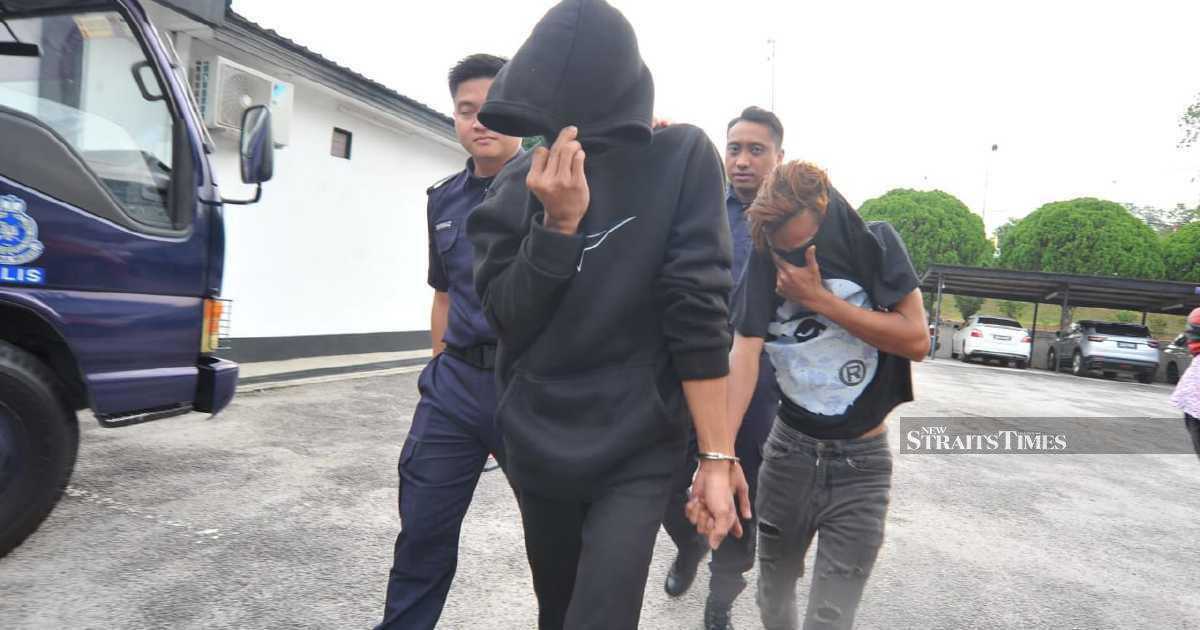
A disabled mechanic and his colleague faced criminal charges in Kulai magistrate's court following their alleged involvement in a high-speed street race on the Johor Second Link expressway last weekend. The case highlights growing concerns about illegal racing activities on major Malaysian highways, particularly in the southern region where such incidents have become increasingly frequent.
The two men were accused of engaging in reckless and dangerous driving while operating their vehicles on the busy expressway that connects Johor Bahru to Singapore. The alleged incident occurred on Saturday, drawing the attention of highway authorities and prompting swift law enforcement action. Both mechanics were brought before the magistrate to face charges stemming from their conduct on one of Malaysia's most critical transport corridors.
The involvement of a disabled mechanic in this case adds a notable dimension to the proceedings, raising questions about driver capability assessments and the enforcement of road safety standards across all demographics. The prosecution's decision to proceed against both individuals suggests sufficient evidence was gathered by investigating officers to support charges of reckless and dangerous driving, offences that carry serious legal consequences under Malaysian traffic law.
The Second Link expressway represents a crucial economic artery for Johor, handling substantial commercial and personal vehicle traffic daily. Illegal racing on such high-traffic corridors poses significant risks not only to the racers themselves but to innocent motorists, delivery drivers, and commuters who rely on the route for legitimate purposes. Law enforcement agencies have repeatedly emphasised that such activities endanger lives and disrupt commerce.
Street racing remains a persistent challenge for Malaysian authorities despite periodic crackdowns and increased penalties. The phenomenon typically intensifies during late-night and early-morning hours when traffic volumes are lighter, creating a false impression of safety among participants. The fact that this incident occurred on a Saturday—traditionally busier than weekdays—suggests either heightened recklessness or miscalculation by those involved.
Royal Malaysia Police and the Road Transport Department have implemented various initiatives to combat illegal racing, including dedicated task forces, enhanced surveillance on known racing hotspots, and public awareness campaigns. However, the continued prosecution of such cases indicates that deterrence efforts remain incomplete. Penalties for illegal racing have been progressively increased in recent years, yet incidents persist.
For mechanics specifically, involvement in illegal racing carries additional professional implications. The automotive repair industry relies on public trust and professional standards, and convictions for dangerous driving could affect business reputation and employment prospects within the sector. The charges underscore that occupation provides no immunity from traffic law enforcement.
The magistrate's court proceedings will ultimately determine liability and appropriate sentencing if convictions are secured. Malaysian traffic law provides magistrates with discretionary sentencing ranges for reckless and dangerous driving offences, allowing courts to consider individual circumstances while maintaining public safety interests. Previous convictions, driving records, and personal circumstances typically influence sentencing outcomes.
The case also reflects broader traffic safety governance challenges in Malaysia, where illegal racing cultures persist in certain urban and semi-urban areas despite the serious risks involved. Community education, parental involvement, and employment-sector cooperation have emerged as complementary approaches to traditional enforcement, though sustained implementation remains inconsistent across different states.
For the Johor community and expressway users more broadly, this prosecution represents a reminder that police maintain active enforcement on major highways. The Second Link's strategic importance to regional commerce and daily commuting means authorities treat safety violations seriously, particularly those involving intentional high-speed driving. Future similar incidents will likely face comparable scrutiny and prosecution.
The road ahead for both defendants involves navigating the Malaysian justice system, with potential fines, driving licence suspensions, and possible custodial sentences depending on the evidence presented and court findings. The disabled mechanic's situation may prompt broader discussion about rehabilitation, employment support, and second chances within the justice framework, though public safety must remain paramount in judicial considerations.
As Malaysia continues modernising its road safety infrastructure and enforcement capabilities, cases like this one serve as crucial touchstones for evaluating policy effectiveness. The prosecution of illegal racers sends important signals about consequences while the persistence of such incidents suggests that understanding underlying motivations—whether thrill-seeking, competitive impulses, or other factors—remains essential for developing comprehensive solutions beyond purely punitive responses.

