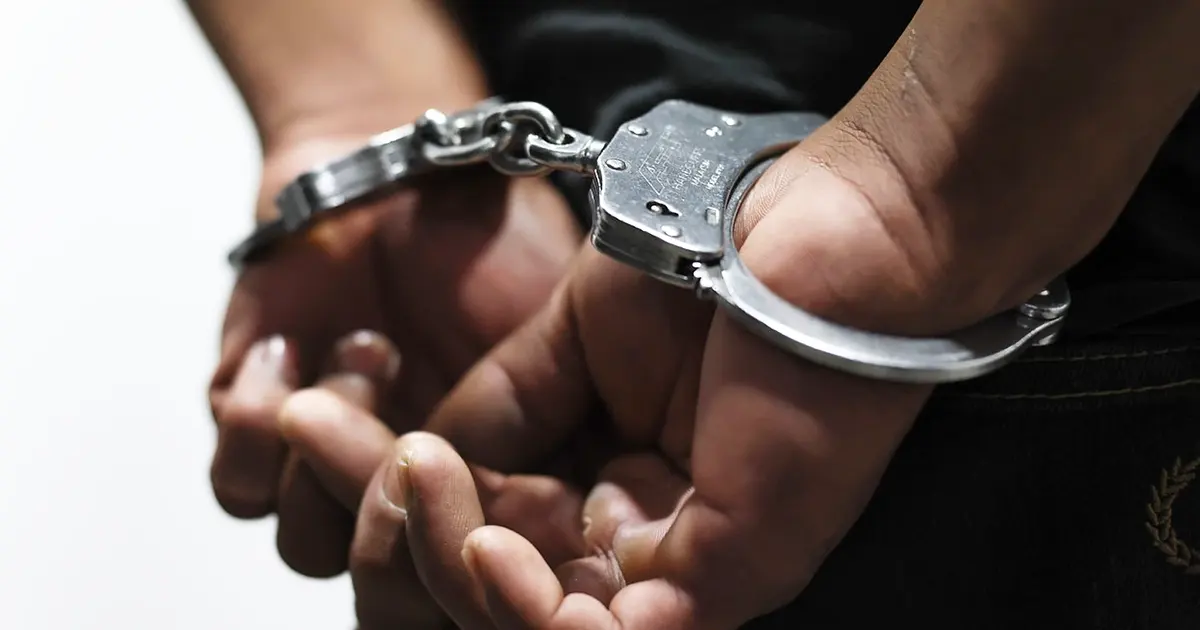
Two men have been taken into custody following the death of their companion during what authorities believe was a tragic hunting accident that went badly wrong when the suspects allegedly panicked and attempted to hide evidence of the incident.
Law enforcement officials have characterised the fatal shooting as unintentional, suggesting the accused pair discharged their weapons in a manner that struck their friend with lethal consequences. The circumstances point to a combination of factors—poor handling of firearms, possible lapses in safety protocol, and the chaotic response that followed—that transformed what should have been a recreational outing into a criminal investigation.
The decision to conceal the victim's body rather than immediately report the incident to authorities appears to be a critical factor in the criminal charges the two men now face. Police have indicated that panic and fear, rather than premeditation, likely drove the decision to hide the remains. This reactive concealment, however, converts what might have been treated as a tragic accident into a more serious matter involving obstruction and potential charges of failing to render assistance.
Hunting accidents, whilst often devastating, are a recognised hazard of the sport across many regions. When coupled with the subsequent cover-up, such incidents raise important questions about accountability, responsibility, and the judgment individuals exercise under extreme stress. The Malaysian context involves particular considerations given the prevalence of hunting in rural and forested areas, where enforcement of safety standards can be challenging.
The identities and ages of the three men involved remain subject to ongoing investigation, with police maintaining operational discretion over certain details. The victim's family has been notified of the tragedy, though their statements have not yet been made public. The community where the incident occurred is likely processing the shock of losing a local resident under such distressing and unexpected circumstances.
Detailed examination of the crime scene and forensic analysis of the weapons involved will be crucial in establishing the precise sequence of events. Investigators will seek to determine whether safety violations—such as inadequate checks for people downrange, careless muzzle direction, or improper firearm handling—directly contributed to the fatal outcome. These technical details will substantially influence how prosecutors frame the charges and what penalties the accused might face.
The incident underscores the importance of comprehensive firearms training and strict adherence to established hunting safety protocols. In Malaysia, hunting is governed by specific regulations designed to protect both participants and public safety. Mandatory training programmes, proper licensing, and education about the consequences of unsafe practices have repeatedly demonstrated their value in reducing preventable deaths. Groups advocating for responsible hunting have long emphasised that such tragedies are avoidable when proper discipline and caution are maintained.
The decision to conceal the body also raises questions about whether the individuals involved understood the legal and moral obligations that apply in emergency situations. Throughout many jurisdictions, including Malaysia, there are requirements to report deaths to authorities and provide assistance to injured persons. Failure to do so can result in additional criminal liability beyond charges directly related to the initial incident.
Criminal courts across Southeast Asia have grappled with similar cases where accidental deaths are followed by concealment attempts. The pattern suggests that panic-driven behaviour, whilst understandable from a human perspective, significantly worsens legal outcomes for the accused. Transparent reporting of accidents, even tragic ones, typically results in far more lenient treatment than deliberate efforts to hide evidence.
The broader implications for the hunting community in Malaysia are considerable. Such high-profile cases often prompt renewed scrutiny of hunting practices, licensing procedures, and enforcement mechanisms. Responsible hunters and hunting organisations may find themselves under pressure to demonstrate their commitment to safety standards and to distance themselves from dangerous or negligent practitioners.
As the investigation proceeds, authorities will also examine whether any alcohol or substance use was involved, whether proper licenses were in place for all individuals, and whether the weapons used met legal specifications. Each of these elements could influence both the severity of charges and the ultimate sentencing. The case will likely serve as a cautionary tale about the serious responsibilities that accompany recreational hunting and the grave consequences that follow when fundamental safety principles are ignored.

