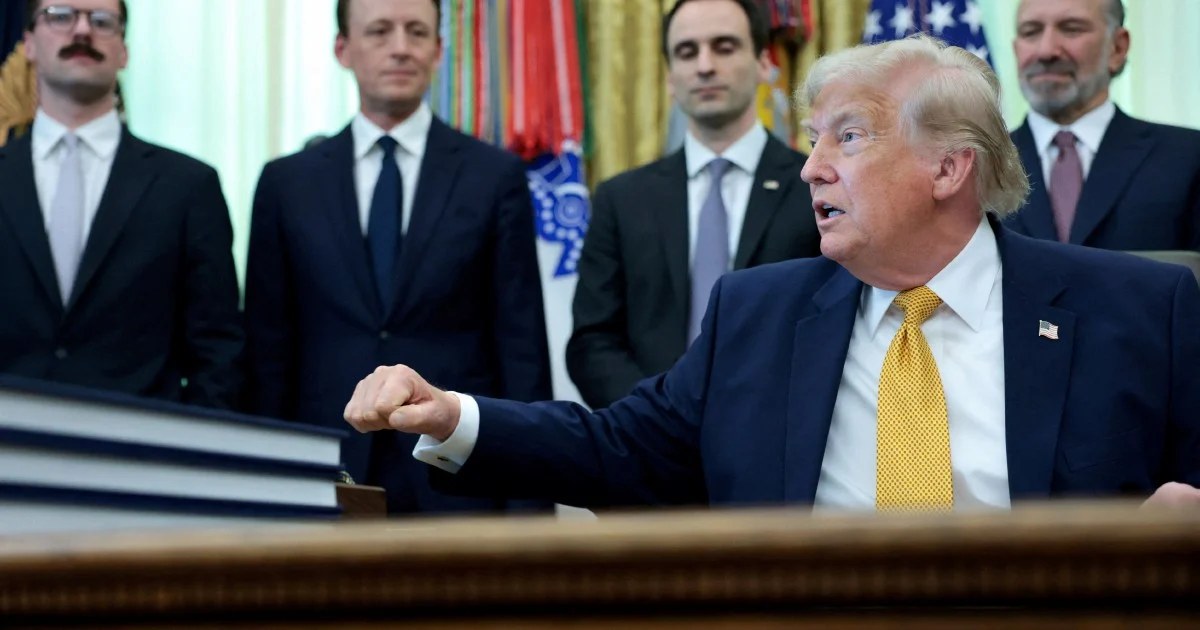
The United States Justice Department moved forward on Monday with additional arrests related to an alleged conspiracy to stage an attack on the White House whilst President Donald Trump presided over a combat sports event on the presidential grounds. The two new arrests represent an escalation in law enforcement's pursuit of individuals suspected of involvement in the scheme, which investigators say targeted the nation's most heavily fortified residence during a high-profile gathering.
The alleged plot centres on plans to breach security at the White House during what was intended to be a mixed martial arts competition held outside the main building. Details surrounding the operational aspects of the scheme remain under investigation, though authorities have indicated that the conspiracy involved multiple participants working in coordination to exploit a specific moment of heightened activity and attention on the grounds.
Federal law enforcement agencies have been conducting an extensive investigation into the matter, coordinating across multiple jurisdictions and security services. The sequential nature of the arrests—with additional suspects apprehended even as the investigation continues—suggests that authorities are building their case methodically, likely gathering evidence and testimony from multiple sources to establish the full scope of the alleged conspiracy.
The White House, as the official residence and workplace of the sitting president, remains one of the most secure facilities in the world, protected by multiple layers of physical barriers, surveillance systems, and personnel. Any credible threat to this location triggers immediate and comprehensive responses from the Secret Service, FBI, and other federal security agencies. The alleged plot's timing during a publicly announced event adds complexity to the investigation, raising questions about how detailed the planning reportedly became and what specific security vulnerabilities the alleged conspirators may have identified or attempted to exploit.
The arrest announcements reflect the broader security concerns facing high-level government officials and major public events in the United States. While threats against political leaders have become increasingly common in recent years, investigations that lead to multiple arrests suggest that authorities took this particular scheme seriously enough to involve substantial investigative resources and legal action.
For international observers and regional security analysts, such incidents underscore the persistent challenges that democracies face in balancing the open nature of public governance with the practical requirements of protecting elected officials. The alleged plot also demonstrates that security threats can originate from unanticipated sources and can target even the most heavily protected locations through unconventional methods or timing.
The involvement of multiple suspects raises questions about how the conspiracy was communicated, who initiated it, and what ideological or grievance-based motivations may have driven participation. Federal prosecutors will need to establish clear evidence of intent and coordination among the accused parties to secure convictions, a process that typically involves careful examination of communications, financial records, and witness testimony.
The use of a sporting event as the backdrop for an alleged attack reveals how public gatherings, even those designed as celebration or entertainment, can become focal points of security concern. This dynamic has implications for how future high-profile events are planned and secured, particularly when they involve novel formats or unconventional settings such as outdoor activities at the White House.
The Justice Department's public announcements about the arrests serve multiple purposes: they demonstrate law enforcement capability and vigilance, they deter potential copycat plotting, and they inform the public about genuine threats that have been neutralised. However, such announcements also raise questions about security vulnerabilities that may have been exposed in the investigation process and how those gaps will be addressed going forward.
For Southeast Asian observers and security professionals, the case provides insights into how mature democracies approach the investigation and prosecution of security threats. The coordination among federal agencies, the criminal justice procedures involved, and the public transparency about arrests offer lessons that regional governments continue to grapple with as they balance security imperatives with rule of law principles.
The investigation remains ongoing, with prosecutors likely continuing to pursue additional leads and gather evidence that may implicate other individuals or uncover related conspiracies. The Justice Department's statement noted the arrests but provided limited detail about charges, evidence, or the alleged conspiracy's scope, suggesting that the prosecution's case continues to develop. Future court proceedings will likely reveal more specific information about what the alleged conspirators reportedly intended to accomplish and how far their planning actually progressed before law enforcement intervention.

