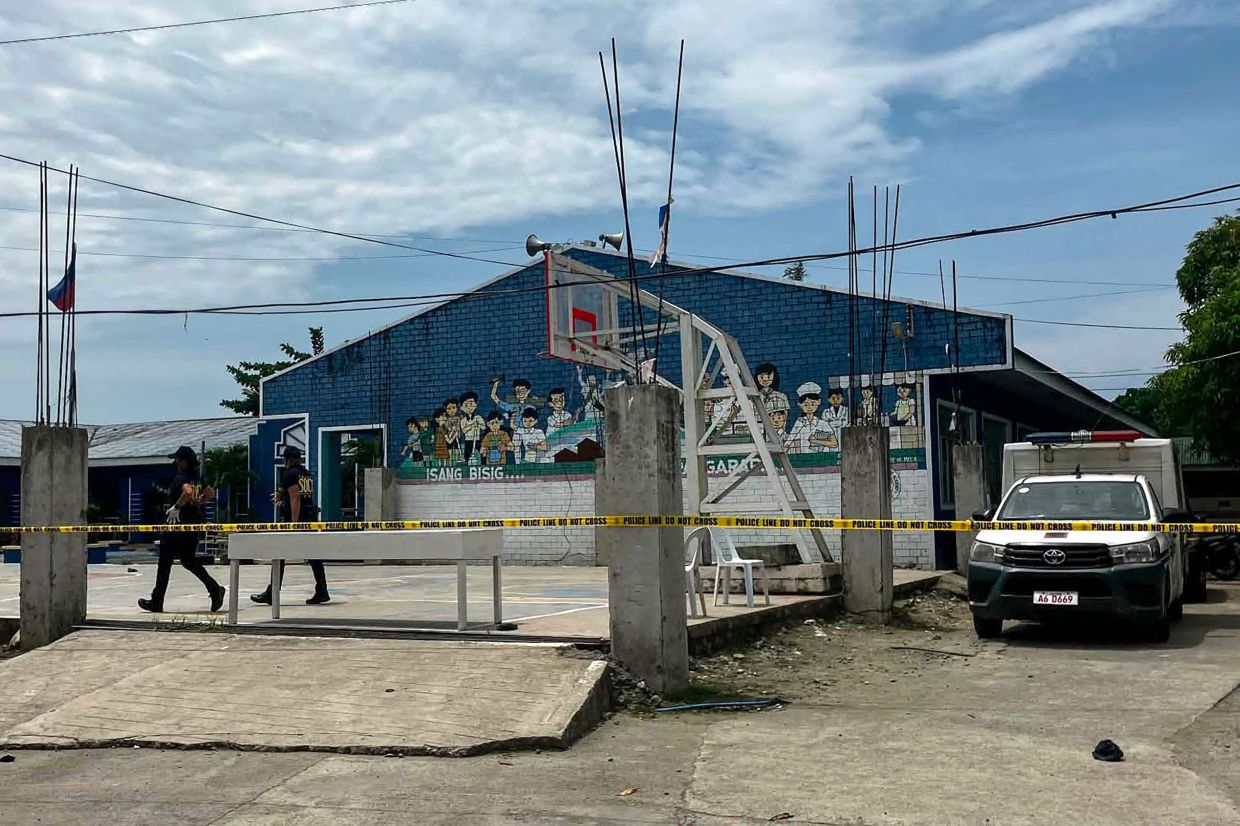
A shocking outbreak of violence at a government-run secondary school in the central Philippines has left the nation reeling, with three students dead and seven others injured following a shooting rampage by two armed classmates on Monday morning. The incident at San Jose National High School in Tacloban City marks a rare but troubling breach of school safety in a nation where firearm-related crimes are endemic, though mass shootings in educational settings remain uncommon.
Authorities apprehended two suspects, both students at the same institution, aged 14 and 15 years old. According to Regional Police Chief Brig. Gen. Jason Capoy, the pair—who were close friends—entered the campus armed with a 9 millimetre pistol and a calibre 38 revolver, then methodically moved through multiple classrooms to pursue victims. The violence unfolded in the morning hours at the sprawling campus, which serves more than 1,500 pupils. Most of those killed and wounded were female students, investigators confirmed.
Initial questioning of the suspects revealed allegations of bullying as a precipitating factor in their decision to carry out the attack, though Capoy declined to elaborate on the specific circumstances or the extent of the harassment they claimed to have experienced. The troubling intersection of adolescent grievance, easy access to weapons, and inadequate school security appears to have converged catastrophically on Monday morning. Neither suspect possessed a prior criminal record, suggesting that warning signs may have been missed or went unreported by peers and educators.
The weapons themselves reveal serious lapses in firearm accountability and security protocols. One gun was obtained from the suspect's aunt, a police officer, raising alarming questions about how a law enforcement official's sidearm came to be accessible to a minor. The investigating authorities have launched a formal inquiry into the officer's conduct and negligence. The second firearm's origin remained under investigation, but the ease with which both weapons entered the school compound points to institutional vulnerabilities. Capoy noted that inadequate perimeter security—specifically that only a single guard was stationed despite multiple entry and exit points—allowed the teenagers to carry firearms undetected onto campus.
The attack itself unfolded across at least two separate classrooms after initial gunfire caused students to scatter in panic. The suspects pursued fleeing victims into a second location, suggesting a sustained rather than impulsive assault. Approximately 40 shell casings were recovered from the scene, underscoring the volume of fire unleashed. Surveillance video footage captured the terror of students huddled beneath desks in locked classrooms, some screaming in anguish while attempting to contact their parents by phone as gunshots erupted outside their refuge. Other recordings documented throngs of petrified pupils streaming from the campus in chaotic evacuation, many seeking solace in physical contact with peers as they fled the danger.
The arrest sequence itself reveals the chaotic response. One suspect was apprehended on the school grounds immediately following the incident, but the second managed to escape and sought refuge in a nearby residential property. Local residents alerted police to the suspect's whereabouts, enabling officers to locate and detain the teenager without further incident. The rapid community response likely prevented additional casualties and demonstrated the importance of public vigilance in complementing official security apparatus.
The Philippine legal framework governing juvenile offenders has complicated implications for accountability. The 14-year-old suspect falls below the minimum age threshold established by the 2006 Juvenile Justice and Welfare Act, which sets 15 as the minimum age for criminal liability. Even the 15-year-old may escape formal prosecution if authorities cannot conclusively demonstrate that the suspect possessed clear awareness of the gravity of the crime and its consequences—a threshold potentially difficult to meet despite the deliberate nature of the pre-planned attack. Following investigation, both minors are expected to be transferred to government welfare institutions rather than the criminal justice system.
President Ferdinand Marcos Jr. responded swiftly to the incident, directing comprehensive investigative efforts and issuing directives to heighten security protocols across all educational institutions, workplaces, and public gathering spaces throughout the nation. Communications Undersecretary Claire Castro conveyed the president's expressed sorrow regarding the tragedy and acknowledged the profound anxiety and grief affecting bereaved families. The presidential intervention signals recognition of the incident's potential to trigger broader public alarm and underscores the need for systemic improvements in threat prevention.
While firearms crimes pervade Philippine society—driven substantially by the circulation of unlicensed weapons throughout communities—shooting incidents within school settings have historically remained rare enough to shock the nation's collective conscience. The Philippines' complicated relationship with gun ownership, characterised by weak enforcement of licensing requirements and widespread access to illegally modified weapons, creates an underlying environment of risk. However, mass violence in schools had largely been absent from recent national experience, making Monday's attack a watershed moment that may compel policymakers to examine school security, psychological screening of at-risk youth, and adolescent mental health support systems.
The incident echoes a 2022 university shooting in the Manila metropolitan area, when an armed assailant opened fire at a private institution before a graduation ceremony, killing a former municipal mayor and two other individuals in a targeted assault rooted in longstanding personal dispute. That gunman was subsequently arrested. The recurrence of significant shooting incidents, though separated by months and occurring in different contexts, suggests that the proliferation of firearms and the persistence of grievance-driven violence remain persistent vulnerabilities within Philippine society.
National police authorities have appealed to the public to maintain composure during this crisis period and to actively support investigative efforts by furnishing information relevant to understanding the shooting's circumstances and causation. Authorities face multiple investigative threads: determining how bullying allegations may have escalated to violent ideation, examining the suspects' communications and associations, scrutinizing the police officer's lapse in firearm security, and assessing institutional shortcomings in campus protection. The investigation's findings will likely shape subsequent policy discussions regarding school safety, juvenile justice reform, and firearm regulation enforcement across the archipelago.