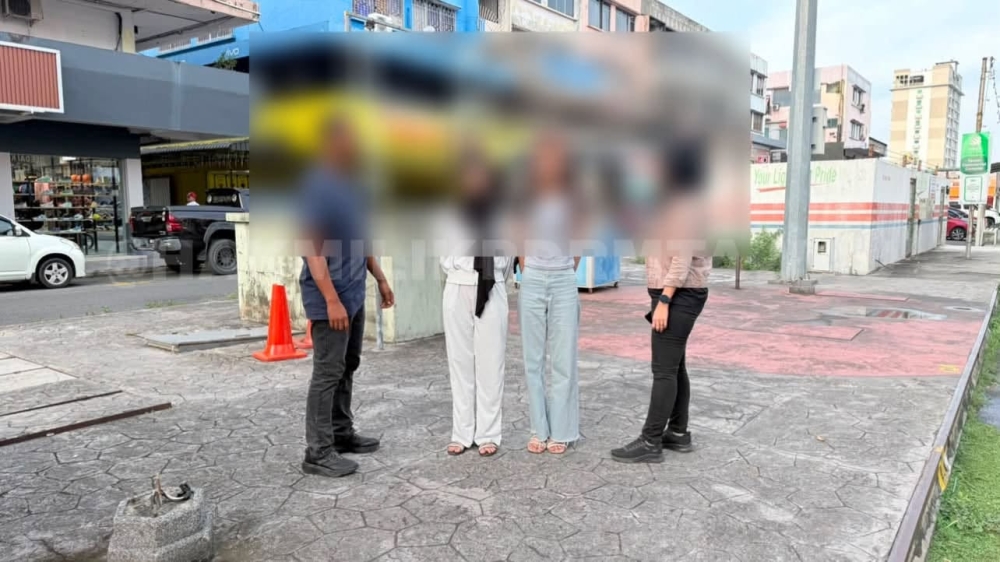
A violent dispute between two women at a Bandar Fajar restaurant in Tawau has culminated in police arrests and criminal investigations. The altercation, which unfolded publicly in the dining establishment on July 13, drew immediate intervention from law enforcement authorities responding to reports of a brawl. The incident has raised fresh questions about maintaining order in commercial dining spaces across Sabah's major towns, where restaurants serve as regular gathering points for both residents and business communities.
Police apprehended both individuals involved in the confrontation and transported them for questioning at the Tawau police headquarters. The circumstances surrounding the initial dispute remain under active investigation by local law enforcement, who are examining statements from witnesses present during the altercation. Officers are working to establish a clear chronological account of events leading up to the physical confrontation and to determine the precise nature of the disagreement that triggered the incident.
The arrest of both parties rather than a single aggressor suggests the investigating officers found sufficient evidence that both women participated actively in the brawl. This approach reflects standard police procedure when determining shared culpability in public disturbances. The decision to proceed with charges against both individuals indicates that authorities have identified conduct by each party that warrants formal legal action, though the specific nature and severity of charges had not been immediately disclosed at the time of the arrests.
Public brawls in commercial establishments pose particular challenges for business operators and local authorities. Restaurants and dining venues across Tawau depend on maintaining safe, orderly environments to attract customers and sustain their operations. Incidents such as this one can undermine the reputation of venues and discourage patrons from frequenting certain areas, potentially affecting the broader commercial ecosystem in Bandar Fajar. Shop owners and restaurant managers have long expressed concerns about managing disruptive behaviour and ensuring customer safety.
Tawau, as Sabah's second-largest city and a significant commercial hub, hosts a diverse population with varying social dynamics. The urban centre experiences regular foot traffic from workers, traders, and tourists, making public order a pressing municipal concern. Incidents of street-level violence or assault—whether at dining establishments or in other public spaces—reflect broader challenges that local authorities navigate in maintaining community safety and civility within densely populated commercial districts.
The involvement of two women in the altercation adds another dimension to discussions about gender and public conduct. While violent altercations occur across all demographics, incidents involving women are sometimes reported with particular scrutiny or social commentary. The incident itself, however, underscores that disruptive behaviour and physical confrontations transcend gender lines and remain persistent features of urban public life requiring consistent management and deterrence.
Witnesses to the altercation likely provided crucial accounts to investigating officers seeking to reconstruct the sequence of events and identify the precipitating factors. Bystander statements and, potentially, security camera footage from the restaurant would form the evidentiary foundation for any charges prosecutors might pursue. The police investigation will determine whether additional charges or considerations apply, such as whether weapons were involved, the extent of injuries sustained, or whether the confrontation damaged property within the establishment.
The Tawau police, working within Sabah's broader law enforcement framework, balance the need to prosecute disruptive public behaviour with principles of proportionate justice. The decision to arrest and charge both individuals reflects a commitment to maintaining order while ensuring that investigations are conducted thoroughly before formal charges are laid. Local legal processes will now determine the appropriate consequences for those involved, with courts evaluating the evidence and circumstances presented by prosecutors and defence counsel.
For Bandar Fajar's business community and residents, this incident serves as a reminder of the importance of maintaining civil public spaces. Restaurant owners and their staff may now consider enhanced safety protocols or conflict de-escalation training to manage similar situations should they arise in future. Community leaders and authorities may also use such incidents as opportunities to reinforce messages about public conduct and the potential legal consequences of disruptive behaviour in commercial establishments.
The resolution of this matter through the courts will likely take several weeks or months, during which both the investigation and any prosecutions will proceed through Sabah's judicial system. The outcome may set certain precedents regarding how similar incidents are handled in future, particularly concerning restaurant-based altercations and police responses to public brawls. Meanwhile, the incident underscores that Tawau, despite its importance as an economic and commercial centre, continues to grapple with public order challenges that communities across Malaysia face with increasing regularity.

