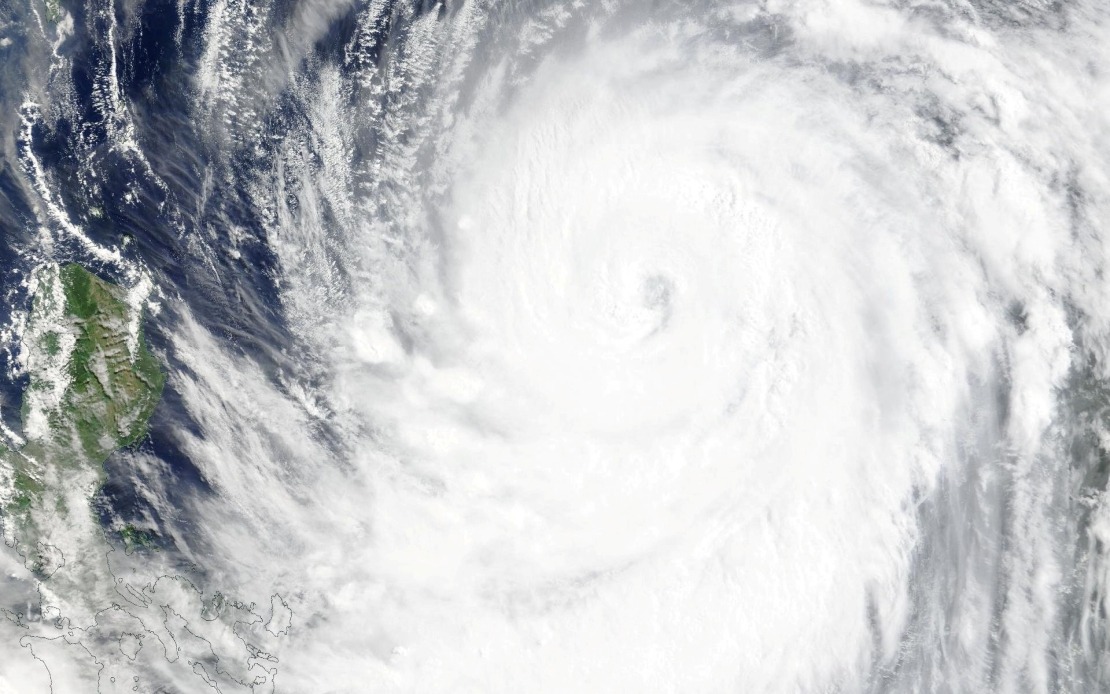
Taiwan's Central Weather Bureau has raised its alert level as Typhoon Bavi, the ninth named storm of the season, continues its northwesterly trajectory toward the island nation. The agency issued a sea warning on Thursday afternoon covering exposed waters in the northeastern and southeastern regions, including the outlying areas of Orchid Island and Green Island as well as the strategically significant Bashi Channel, which separates Taiwan from the Philippines. Forecasters indicated that a more serious land warning would likely be implemented by early Friday as the system draws closer to populated areas.
At the time of the warning, Bavi was positioned to the southeast of Eluanbi, Taiwan's southernmost promontory, and maintained a northwesterly heading. The typhoon had intensified considerably, with sustained maximum winds near its core reaching 51 metres per second, while gusts in the most violent bands of the system were expected to exceed 63 metres per second. Such wind speeds place Bavi firmly in the upper range of tropical cyclones and pose significant risk to infrastructure, agriculture, and human safety across Taiwan's exposed coastlines.
Meteorological projections suggest that Bavi will traverse a northwestern path at between 15 and 20 kilometres per hour, tracking north of Taiwan rather than making direct landfall. This trajectory, while sparing the island a direct strike, does not eliminate danger. The island's northern regions and exposed coastal areas will experience the typhoon's outer bands and consequential weather effects. Current models indicate that Taiwan will be affected by conditions consistent with either a lower-end strong typhoon or an upper-end moderate typhoon classification, depending on the storm's final intensity and exact passage.
The approaching tempest has already begun wreaking havoc on the region's transportation networks. Airlines operating routes between Taiwan and Okinawa have cancelled the vast majority of their scheduled services, stranding travelers and disrupting the flow of people and goods between these important regional hubs. Beyond aviation, several long-haul international flight services have also been grounded as carriers prioritize safety and operational feasibility. The cascading effects extend beyond air travel to maritime operations, with ferry operators suspending numerous scheduled routes that normally connect Taiwan with outlying islands and neighboring regions.
Land-based infrastructure has also been placed on heightened alert. Mountain roads throughout Taiwan have been flagged for potential hazardous conditions as forecasters anticipate heavy rainfall and unstable terrain conditions that could trigger landslides and washouts. Local authorities have implemented precautionary measures including traffic advisories and potential road closures in vulnerable areas. These preventive steps reflect lessons learned from previous typhoon seasons when mountainous regions suffered devastating impacts from typhoon-driven precipitation and secondary hazards.
For Malaysian and Southeast Asian readers, Typhoon Bavi's approach to Taiwan underscores the region's persistent vulnerability to tropical cyclones during the summer and early autumn months. Taiwan's sophisticated early warning systems and coordinated response mechanisms demonstrate the kind of preparedness infrastructure that vulnerable island nations require to mitigate typhoon impacts. The storm's effects on regional air and maritime connectivity illustrate how weather events in one part of Southeast Asia can create ripple effects across the broader region, affecting trade routes, travel networks, and economic activity.
The timing of Bavi as the ninth typhoon of the year suggests that 2020 continues an active seasonal pattern. Climate scientists have noted that warming sea surface temperatures in the western Pacific may be contributing to more intense typhoon systems, a trend with serious implications for all countries in the region. Taiwan's experience managing this particular system provides valuable case studies for disaster preparedness that remain relevant across Southeast Asia, where similar geographic and climatic vulnerabilities affect nations from the Philippines to Vietnam.
As Bavi continues its approach, Taiwan's meteorological establishment will maintain continuous monitoring and issue updated warnings as the situation evolves. The gradual increase in alert levels, from sea warnings to anticipated land warnings, reflects a measured but serious response protocol designed to give residents and authorities maximum notice for protective measures. The disruption to transportation infrastructure, while disruptive economically, demonstrates that Taiwan's authorities are prioritizing safety over convenience during extreme weather events.

