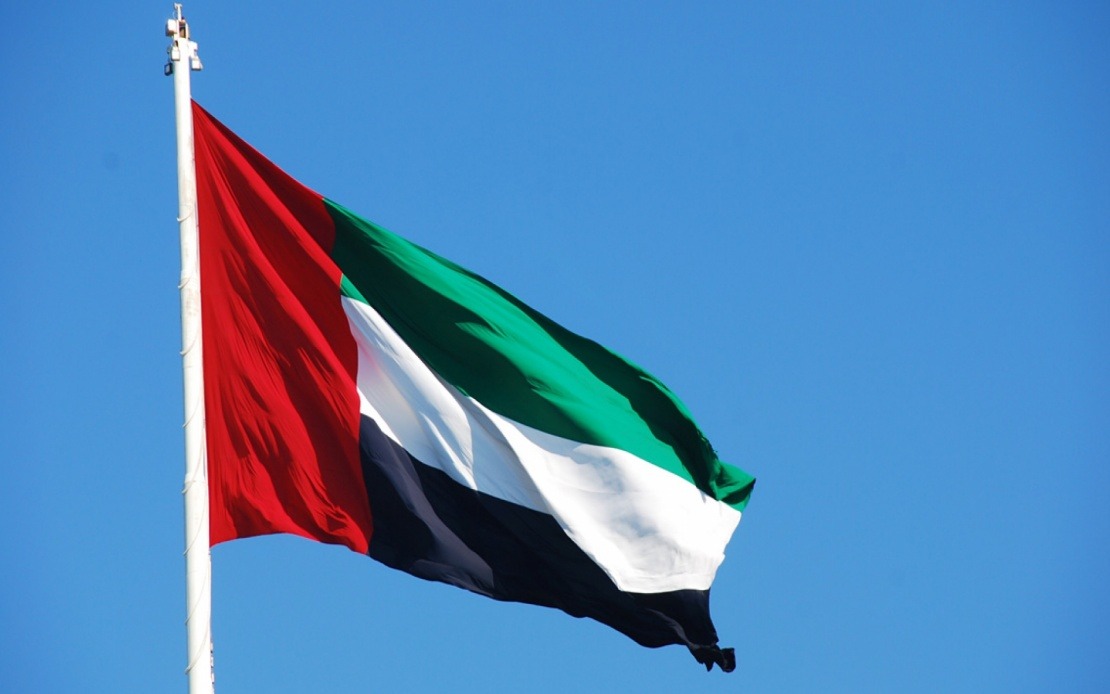
The United Arab Emirates has implemented a comprehensive suspension of all commercial, trade and financial dealings with Iran, marking a significant escalation in bilateral tensions between the two Gulf neighbours. The decision, announced by Afra Al Hameli, director of the Foreign Ministry's Strategic Communications Department, takes effect immediately and will remain in place until circumstances change, though no timeline has been specified.
The timing of the UAE's move is directly linked to heightened military activity in the region. The Emirati Defence Ministry reported that its air defence systems had detected and tracked two ballistic missiles allegedly launched from Iranian territory with maritime navigation routes as targets. This claim prompted the swift economic response, suggesting that Abu Dhabi views the incident as sufficiently serious to warrant comprehensive economic decoupling from its neighbour.
However, the Iranian government has flatly rejected assertions that it was responsible for any missile launches. Esmaeil Baqaei, spokesman for Iran's Foreign Ministry, publicly expressed regret over what he characterised as unfounded accusations against the Islamic Republic. Through Iran's semi-official Mehr news agency, Baqaei framed the UAE's allegations as violations of the neighbourly conduct principles that should ideally govern relations between adjacent nations.
For observers across Southeast Asia and beyond, the UAE's action represents a stark departure from the cautious diplomatic engagement that has characterised Gulf relations in recent years. The blanket nature of the sanctions—touching trade, commercial exchanges and financial transactions simultaneously—indicates that Emirati policymakers view the security incident as symptomatic of deeper strategic incompatibility rather than an isolated provocation.
The suspension carries potential ripple effects throughout the Middle East and beyond. The UAE and Iran maintain complex economic linkages spanning shipping, commerce, financial services and energy-related transactions. Many regional players, including Malaysian businesses with exposure to both markets, will need to reassess their operational strategies. The uncertainty created by the indefinite suspension could disrupt supply chains and complicate cross-border transactions that previously operated within established frameworks.
Despite the hard economic line, Al Hameli reiterated that the UAE remains fundamentally committed to dialogue, cooperation and regional integration as mechanisms for achieving sustainable peace and stability. This rhetorical positioning suggests that Abu Dhabi views the trade suspension as temporary leverage rather than a permanent severance of relations, leaving theoretical space for negotiation and de-escalation should Iranian behaviour change.
The statement also emphasised the UAE's dedication to preserving the integrity of the international financial system and maintaining compliance with global standards and international law. This framing connects the bilateral dispute to broader concerns about regional stability and the rules-based international order—messaging clearly aimed at reassuring international partners, particularly Western nations, that the UAE's actions reflect legitimate security concerns rather than arbitrary economic coercion.
For Malaysia and other Southeast Asian nations with interests throughout the Gulf, this development introduces fresh uncertainty into an already complex geopolitical landscape. The region has long attempted to maintain balanced relations with both Iran and the Gulf Cooperation Council states, a position increasingly difficult to sustain as tensions escalate. Malaysian policymakers will likely monitor whether other Gulf states follow the UAE's lead or maintain their own engagement frameworks with Tehran.
The incident underscores how swiftly diplomatic disputes in the Middle East can translate into concrete economic measures affecting third parties. Businesses operating across both markets now face regulatory unpredictability, potential compliance challenges, and the prospect of extended disruption to established trading relationships. The indefinite nature of the suspension amplifies this uncertainty, as companies cannot plan with confidence for normalisation.
International observers will watch whether Iran reciprocates with its own economic countermeasures against the UAE or whether restraint prevails. The trajectory of this standoff will significantly influence the broader regional security environment and could prompt additional alignments or counter-alignments among Gulf and broader Middle Eastern actors seeking to position themselves strategically.
The suspension also reveals the limited effectiveness of the UAE's previous diplomatic overtures toward Iran, including normalisation initiatives that had yielded mixed results. This pivot toward economic pressure suggests that Abu Dhabi believes diplomatic channels have exhausted their utility in addressing what it perceives as Iranian aggression.
Moving forward, the success or failure of this economic leverage in compelling Iranian compliance will largely determine whether the measure remains temporary or hardens into something more permanent, with significant consequences for regional commerce and stability.

