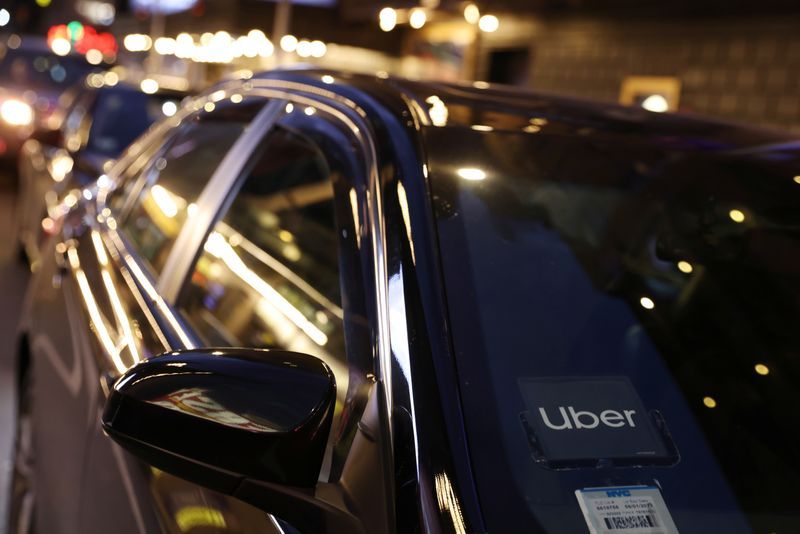
A coalition of shareholders led by Detroit's Police and Fire Retirement System has taken legal action against Uber Technologies' board of directors, alleging pervasive oversight failures that allowed the ride-sharing platform to prioritize growth over safety protocols. The complaint, filed in San Francisco federal court, contends that board members repeatedly disregarded internal and external warnings about the company's inadequate measures to prevent sexual abuse perpetrated by drivers against passengers. The lawsuit represents a significant governance challenge for the San Francisco-based company and underscores mounting pressure on tech platform leadership to demonstrate meaningful accountability for user safety.
Central to the shareholders' case is the assertion that Uber has systematically ignored compliance obligations across multiple operational domains. The complaint characterises the company as "a serial compliance offender" whose reputation has become "irredeemably damaged" through sustained negative media coverage. This branding reflects a pattern that extends well beyond driver conduct issues, encompassing broader regulatory and ethical concerns that have accumulated over years. For Malaysian investors and regulators observing Uber's operations in the region, the lawsuit illuminates governance weaknesses that could have implications for how the platform operates here and in neighbouring markets where it maintains significant market presence.
The scale of sexual misconduct litigation affecting Uber is staggering. As of June 1st, the company faced 3,571 active lawsuits in San Francisco federal court in which plaintiffs accused drivers of sexual misconduct. These numbers represent not merely legal statistics but real cases involving passengers who experienced assault or harassment—incidents that arguably could have been prevented through more rigorous background checks, driver monitoring, and accountability mechanisms. The shareholders' complaint suggests that despite this overwhelming evidence of systemic safety failures, the board failed to implement meaningful remedial measures or maintain appropriate oversight of management's response protocols.
Beyond sexual misconduct allegations, shareholders highlight compliance breakdowns in accessibility and consumer protection practices. Federal authorities filed lawsuits last year accusing Uber of routinely refusing service to disabled passengers, including those with service animals or collapsible wheelchairs—a pattern that violates accessibility regulations and discriminates against vulnerable users. Additionally, the company faced charges of engaging in deceptive billing and cancellation practices that harm consumer trust. These parallel compliance failures suggest a corporate culture where cutting regulatory corners became normalised, with the board failing to establish sufficient checks and balances to redirect management behaviour toward legal and ethical standards.
The lawsuit distinguishes between current Chief Executive Dara Khosrowshahi and his predecessor, acknowledging that Khosrowshahi has been somewhat less inclined toward "brazen" regulatory violations during his nearly nine-year tenure. However, shareholders contend that this modest improvement falls far short of establishing genuine compliance transformation. The complaint suggests that Khosrowshahi, despite his less combative approach than his predecessor, permitted the company to continue "skimping on compliance"—effectively maintaining inadequate safety infrastructure even as litigation mounted and reputational damage accumulated. This characterization raises questions about whether leadership change alone can reform institutional problems without board-level governance reforms.
Data on user confidence reveals the human cost of these oversight failures. According to information presented in the complaint, fewer than 40 percent of Uber users believe the company takes safety seriously. This statistic is damaging not merely to corporate reputation but suggests that millions of people using the platform do so with active concerns about their security. For a service dependent on consumer trust and willingness to use the platform alone, often late at night or in unfamiliar locations, this erosion of confidence represents a fundamental business liability that should have triggered board intervention far earlier than the shareholders' lawsuit.
The derivative lawsuit mechanism employed here seeks to hold directors personally accountable through corporate remedies. Specifically, shareholders ask the court to require board members to reimburse Uber for the company's alleged breaches of fiduciary duty and violations of federal securities law. This approach places financial consequences directly on individual directors rather than simply imposing external penalties on the corporate entity. CEO Khosrowshahi is listed among the defendants, meaning he faces potential personal liability alongside other board members. Such personal exposure may create incentives for more rigorous board-level governance going forward, though litigation outcomes remain uncertain.
Uber's recent legal skirmishes further illustrate ongoing compliance tensions. Earlier this month, Uber joined rival Lyft in suing New York City to block new municipal regulations intended to facilitate removal of drivers deemed to threaten passenger safety. This litigation posture—contesting regulations designed to enhance safety mechanisms—appears directly contradictory to any claim of enhanced compliance commitment and suggests the company continues viewing safety regulations as obstacles rather than industry standards. For regulators in Malaysia and Southeast Asia evaluating Uber's fitness to operate, this combative regulatory stance offers concerning indicators about the company's genuine commitment to safety-first governance.
The company's deteriorating financial position adds urgency to governance questions. Uber's share price has declined more than 25 percent since reaching its peak on September 22nd, a substantial erosion of shareholder value that coincides with accumulating legal liabilities and reputational damage. This stock performance reflects investor concerns about escalating legal exposure, regulatory fines, and operational restrictions that may flow from compliance failures. Shareholders now explicitly contend that board negligence contributed to this value destruction—an argument that may resonate with other institutional investors examining governance quality at ride-sharing platforms operating throughout the region.
The implications for Southeast Asian markets, particularly Malaysia, deserve careful consideration. Uber operates extensively across the region, competing with local platforms and global rivals. The detailed pattern of compliance failures documented in this lawsuit—inadequate safety protocols, discriminatory practices, deceptive billing, and regulatory evasion—may inform how Malaysian authorities structure regulatory oversight of ride-sharing services. Additionally, Malaysian investors holding Uber securities through regional funds face potential shareholder value recovery if litigation succeeds, while Malaysian consumers using the platform should monitor whether governance reforms eventually translate into improved safety mechanisms and fairer business practices.