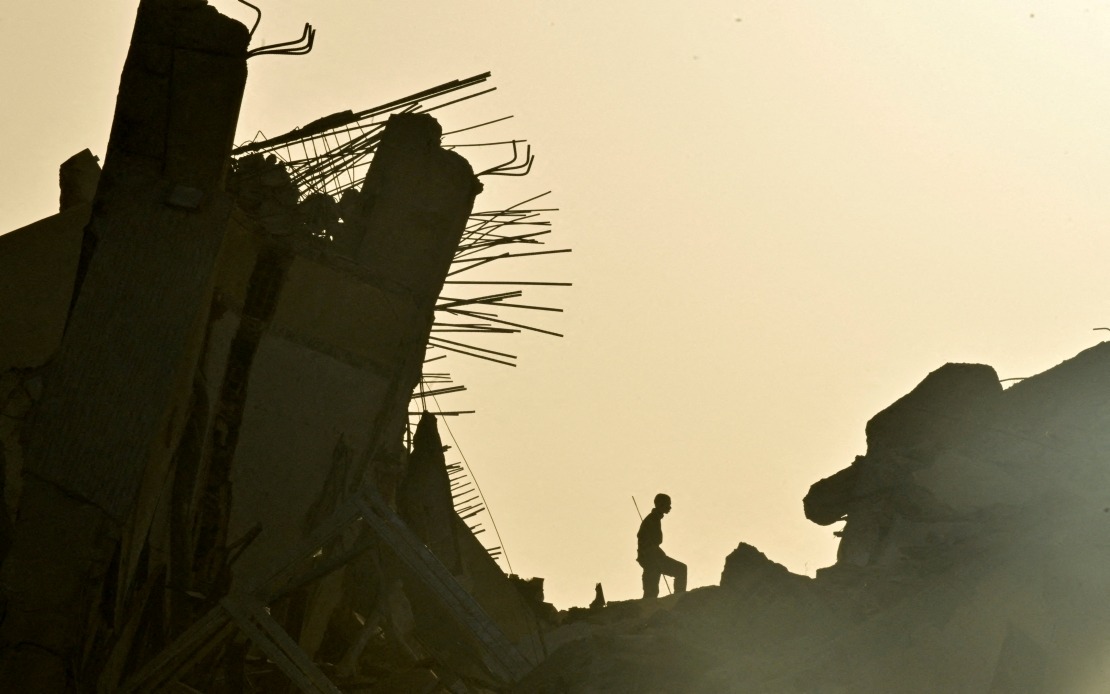
A coalition of British charities has surpassed the £10 million (US$13.4 million) fundraising milestone in response to the recent seismic disasters that devastated Venezuela. The Disasters Emergency Committee, which pools resources from major UK aid organisations, activated its emergency appeal mechanism on Wednesday to coordinate the international response to the natural disaster's humanitarian fallout. The rapid accumulation of donations reflects the significant concern among British donors for the plight of those caught in the earthquake's path.
The scale of the fundraising achievement underscores how catastrophic earthquakes galvanise public compassion across borders. Venezuela, already grappling with severe economic and social challenges, faces compounded pressure as infrastructure damage from the tremors compounds existing humanitarian constraints. The speed at which British donors contributed substantial sums indicates the appeal's effectiveness in communicating the urgency of the crisis and the tangible impact individual contributions can achieve.
DEC member organisations and their on-the-ground partners are executing emergency operations to deliver critical supplies and services to displaced and injured populations. Shelter provision represents an immediate priority, as thousands of residents require temporary accommodation following structural damage to homes and buildings. Water distribution networks have been compromised in numerous localities, necessitating emergency water supplies to prevent disease outbreaks. Food security has become a pressing concern as supply chains experience disruption and existing vulnerabilities in Venezuela's food system are further strained by infrastructure damage.
Medical response capabilities have been mobilised across multiple locations, with healthcare workers treating earthquake-related injuries while contending with limited resources and damaged medical facilities. The coordinated approach through DEC enables efficient resource allocation and prevents duplication of efforts, ensuring donations reach those with greatest need. International Rescue Committee, one of the consortium's major members, has deployed experienced emergency personnel to manage initial response operations and establish logistics networks for sustained relief delivery.
Actress and International Rescue Committee ambassador Adjoa Andoh, who publicly launched the fundraising campaign, highlighted the extraordinary generosity demonstrated by British citizens in committing substantial resources to assist strangers facing unimaginable hardship. Her role as campaign ambassador provided a recognisable public face for the appeal, potentially influencing donation decisions among supporters who respond to trusted advocates in the entertainment sector. The emphasis on public solidarity transcends typical charity messaging by framing donations as expressions of human interconnectedness rather than mere financial transactions.
The relief coordinator acknowledged that without sustained public contributions, the scope and duration of assistance programmes would face severe constraints. Conversely, generous donor support enables organisations to implement comprehensive humanitarian responses extending beyond immediate emergency provision toward early recovery initiatives. This distinction carries particular significance for Venezuela, where prolonged economic dysfunction means recovery capacity is already severely compromised, making external humanitarian support critical to rebuilding efforts.
For Malaysian and Southeast Asian audiences, the Venezuela earthquake response demonstrates the importance of maintaining robust international humanitarian coordination systems and cultivating public willingness to contribute across geographical boundaries. Developing nations throughout Asia and Latin America share vulnerability to seismic activity, typhoons, and other natural hazards, making cross-regional learning about effective disaster response mechanisms particularly valuable. The DEC model of coordinated fundraising and operational oversight offers potential lessons for strengthening regional cooperation in humanitarian emergencies.
The British charity response also reflects how wealthy nations mobilise resources for developing countries experiencing disasters, establishing precedents and expectations for international assistance. As climate patterns and geological activity continue generating humanitarian emergencies globally, understanding how donor fatigue, appeal fatigue, and competing crises influence charitable giving becomes increasingly important. Venezuela's situation, compounded by pre-existing state failure, illustrates how natural disasters can catastrophically destabilise nations already weakened by economic mismanagement and political dysfunction.
The work continues for DEC partners operating in Venezuela, with field teams navigating difficult terrain, damaged infrastructure, and security challenges to reach vulnerable populations. The initial £10 million fundraising success represents a beginning rather than a conclusion, as long-term reconstruction needs will require sustained commitment and resources beyond immediate emergency response. British donors' rapid mobilisation of support demonstrates how humanitarian crises can transcend political divisions and competing interests, uniting people around shared values of human dignity and mutual aid.

