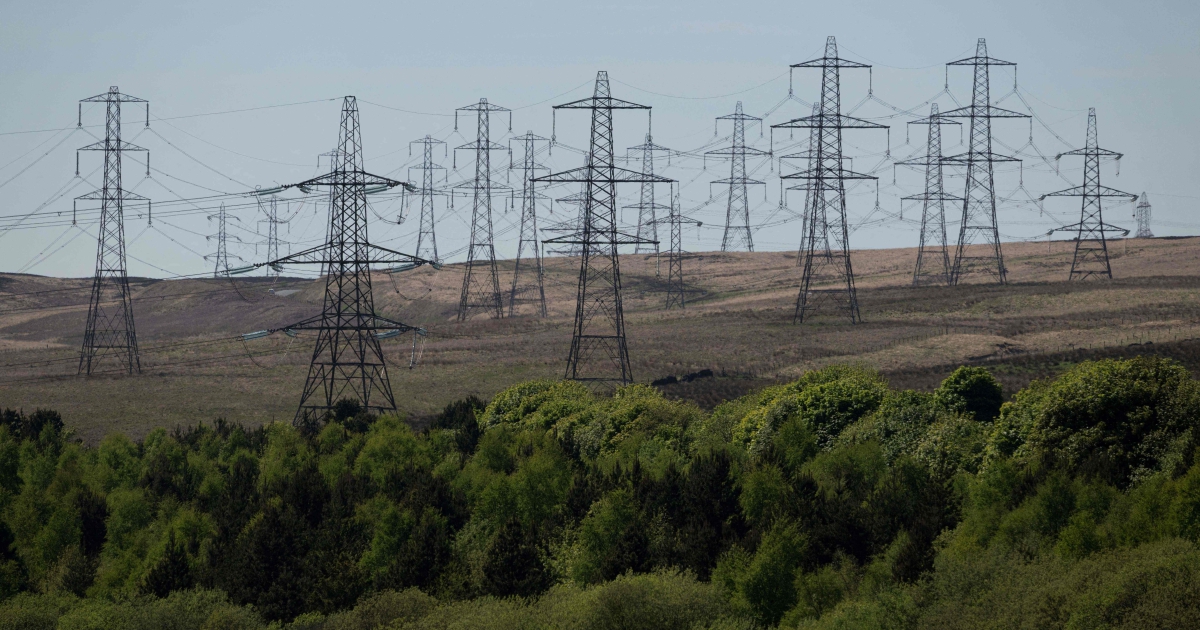
Britain's incoming Prime Minister Andy Burnham has signalled his government's commitment to addressing the cost-of-living squeeze facing households through a direct intervention on energy taxation. According to an announcement from Downing Street on Tuesday, the administration intends to reduce the tax burden on electricity bills—a measure that represents one of the new government's initial policy moves aimed at providing relief to struggling consumers.
The decision underscores the centrality of energy affordability to Burnham's electoral mandate and his administration's opening legislative priorities. Energy costs have remained a flashpoint for household finances across Britain since the global energy crisis that began in 2021, with many families spending an unsustainable proportion of their income on heating and electricity. By targeting taxation on electricity directly rather than subsidising prices indirectly, the government appears to be signalling a preference for structural fiscal changes over short-term relief packages.
This approach differs from previous emergency measures implemented by the Conservative administration, which had included direct price caps and temporary discounts on household energy bills. The Burnham government's focus on tax reduction suggests a longer-term philosophy about how energy affordability should be managed within the broader economy, positioning taxation rather than price controls as the lever for change.
For Southeast Asian observers, the British policy debate on energy costs carries particular resonance. Malaysia and the wider region face similar pressures around domestic energy pricing, subsidy frameworks, and the balance between supporting household consumption and maintaining fiscal sustainability. The UK's experience demonstrates how governments across different economic contexts grapple with the political necessity of visible cost-of-living support while managing budgetary constraints.
Electricity taxation in Britain is complex, involving multiple layers of duties and levies that fund various environmental and social schemes. By reducing these taxes, Burnham's administration is effectively choosing to trade near-term revenue for political capital and immediate household relief. This trade-off will likely require offsetting measures elsewhere in the fiscal framework, raising questions about how the government plans to maintain funding for renewable energy programmes and other public goods typically financed through energy taxation.
The timing of this announcement matters considerably. As new administrations settle into office, their earliest policy signals carry disproportionate weight in shaping public expectations and media narratives about their priorities. Positioning energy affordability as a day-one concern sends a message that the government takes household financial strain seriously, potentially building popular support for other, potentially less popular measures down the line.
The electricity tax cut also reflects evolving political economy around energy in developed economies. As countries transition toward renewable energy systems and phase out fossil fuel dependence, the role of taxation in incentivising behaviour change and funding infrastructure becomes increasingly contested. Some argue that energy taxes should rise to fund the green transition; others contend that living standards must improve before pursuing aggressive environmental taxation. The Burnham government appears to be prioritising the former consideration.
For British households already struggling with inflation and stagnating wages, the practical impact of electricity tax relief remains crucial but uncertain. The actual savings will depend on the breadth of the tax cuts and how they interact with other price pressures. If manufacturers and service providers have already baked higher energy costs into their pricing structures, tax relief may not translate into equivalent consumer savings, a dynamic that policy analysts will scrutinise in coming months.
Regionally, Britain's energy policy carries implications for how other developed economies signal their commitment to household cost-of-living support. Malaysia's government, along with other ASEAN nations, monitor policy decisions from major Western economies as potential templates or cautionary tales. The feasibility and effectiveness of the British approach to energy taxation will inform regional discussions about how best to balance social welfare with fiscal responsibility.
The electricity tax announcement also hints at the Burnham government's broader economic philosophy. By choosing direct action on a specific cost burden rather than broader fiscal transfers or wage subsidies, the administration suggests a preference for targeted interventions in specific sectors. This approach could either prove pragmatically effective or, critics might argue, insufficient to address systemic inequality driving cost-of-living pressures.
The measure represents just the opening salvo in what is likely to be a sustained effort by the new government to reshape Britain's approach to household economic security. Observers will watch closely to see whether electricity tax cuts are followed by similar interventions on other essential services—fuel, food, housing—or whether the government intends to focus narrowly on energy.
As implementation details emerge in coming weeks, the true significance of Burnham's tax policy will become clearer. Whether the cuts deliver meaningful relief to hard-pressed families, or merely signal intent while distributing modest gains, will determine the policy's political legacy and influence how other governments evaluate similar approaches to managing cost-of-living crises in an era of persistent economic pressures.

