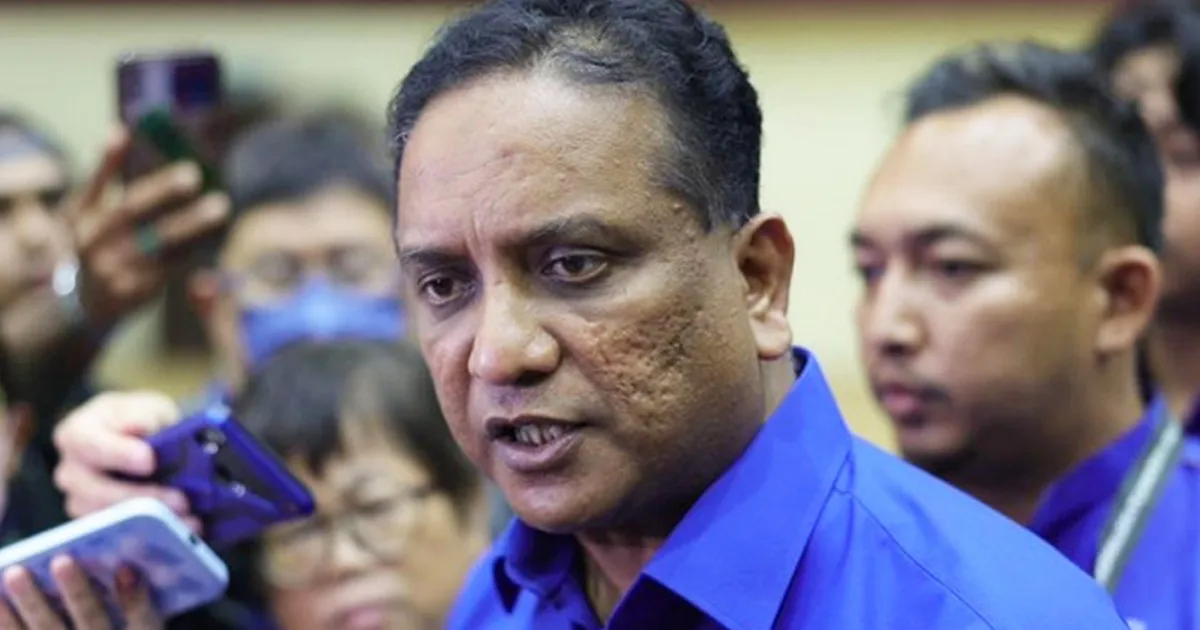
An Umno Supreme Council member has firmly rejected suggestions that the Royal Commission of Inquiry's investigation into Tabung Haji should serve as grounds for accusing the party and its coalition of systemic corruption or protecting those responsible for misconduct. Reezal's intervention signals the ruling coalition's determined effort to distance itself from the troubled hajj fund's difficulties, even as public scrutiny of the institution's governance challenges continues to mount across Malaysia and the broader Muslim world.
The timing of this defensive maneuver reflects growing sensitivity within Umno's leadership hierarchy regarding the Tabung Haji situation. The RCI's comprehensive examination of the fund's operations had raised significant questions about administrative oversight, financial management, and decision-making processes during periods when Umno held substantial political influence. By preemptively framing the RCI's conclusions as inappropriate grounds for attributing blame to the party, Umno appears intent on controlling the narrative surrounding one of Malaysia's most significant institutional controversies in recent years.
Tabung Haji, Malaysia's pilgrimage fund serving millions of Muslim depositors nationwide, has faced mounting difficulties in meeting withdrawal demands and maintaining investor confidence. The institution's struggles have affected countless Malaysian families who depend on the fund for their hajj savings and retirement planning. These practical hardships have intensified public interest in understanding precisely how the fund's management deteriorated and who bears responsibility for the governance failures that contributed to its current predicament.
Reezal's statement represents a broader Umno strategy of compartmentalizing accountability, suggesting that even if individual officials or specific decisions warrant scrutiny, the party itself and the broader Barisan Nasional coalition should not face institutional blame. This approach attempts to distinguish between personal culpability and organizational responsibility, a nuance that may resonate differently depending on how Malaysians interpret the relationship between political leadership and institutional stewardship.
The Royal Commission of Inquiry itself represents a significant institutional acknowledgment that Tabung Haji's difficulties demanded independent, authoritative investigation. The decision to convene the RCI signaled recognition that questions about governance, decision-making, and potential misconduct required examination beyond routine regulatory oversight. The commission's findings, whatever their specific conclusions, carry substantial weight precisely because they represent an officially sanctioned investigation into matters of national concern affecting millions of depositors.
For Malaysian voters and observers, the distinction Umno seeks to establish carries considerable practical implications. Understanding whether systemic governance failures represent isolated instances of individual wrongdoing or reflect broader institutional and political shortcomings directly influences assessments of how effectively the ruling coalition has managed critical national institutions and fiduciary responsibilities. This debate transcends the Tabung Haji situation itself, touching fundamental questions about political accountability and institutional governance that resonate across Malaysia's regulatory landscape.
The hajj fund controversy has attracted international attention as well, given the universal significance of the hajj pilgrimage across the Muslim world. Malaysia's management of its national pilgrimage fund reflects on the country's broader credibility in handling Islamic financial institutions and managing resources entrusted to it by millions of citizens for deeply spiritual purposes. Concerns about Tabung Haji's stability thus extend beyond domestic Malaysian politics into questions about institutional trustworthiness in religious and financial matters.
Reezal's intervention also reflects apparent divisions within or around Umno regarding how aggressively the party should contest findings that potentially implicate its stewardship during its extended period governing Malaysia. Different factions within the ruling coalition may prefer varying degrees of transparency or defensive positioning regarding institutional failures, though public statements maintain apparent unity on this particular matter. This tension between transparency and institutional self-protection represents a recurring challenge for any long-governing political organization facing scrutiny over historical decision-making.
The broader political context matters significantly here. Umno's contemporary position, including recent coalition adjustments and ongoing internal dynamics, shapes how it responds to institutional controversies. A party seeking to establish renewed legitimacy and restore public confidence must navigate between acknowledging institutional shortcomings and defensively protecting its organizational reputation. Reezal's statement appears designed to accomplish both objectives simultaneously, accepting that problems existed while resisting attribution of those problems to the party's fundamental governance philosophy or integrity.
For Malaysian depositors and their families, the RCI's investigation and subsequent debate about accountability remain intensely practical matters. Thousands of Malaysians depend on Tabung Haji for funds set aside specifically for hajj pilgrimage or retirement security. The fund's current difficulties directly affect their financial planning and religious aspirations. Understanding what went wrong and ensuring effective remedial action matters far more to these depositors than internal political disputes about organizational accountability.
The hajj fund situation also illuminates broader governance challenges across Malaysian institutions. Many state-linked companies and sovereign wealth entities have faced questions about management, transparency, and financial viability in recent years. The Tabung Haji experience therefore carries implications extending beyond its immediate stakeholders, potentially informing how Malaysia approaches institutional oversight, accountability mechanisms, and the relationship between political leadership and fiduciary responsibility across multiple sectors.
Moving forward, the question remains whether Umno's defensive positioning will satisfy public expectations for institutional accountability or whether the RCI's findings will fuel continued debate about governance failures regardless of the party's efforts to compartmentalize blame. This broader conversation about institutional responsibility and political stewardship will likely influence Malaysian voters' assessments of governance competence and trustworthiness well beyond the specific Tabung Haji matter itself.

