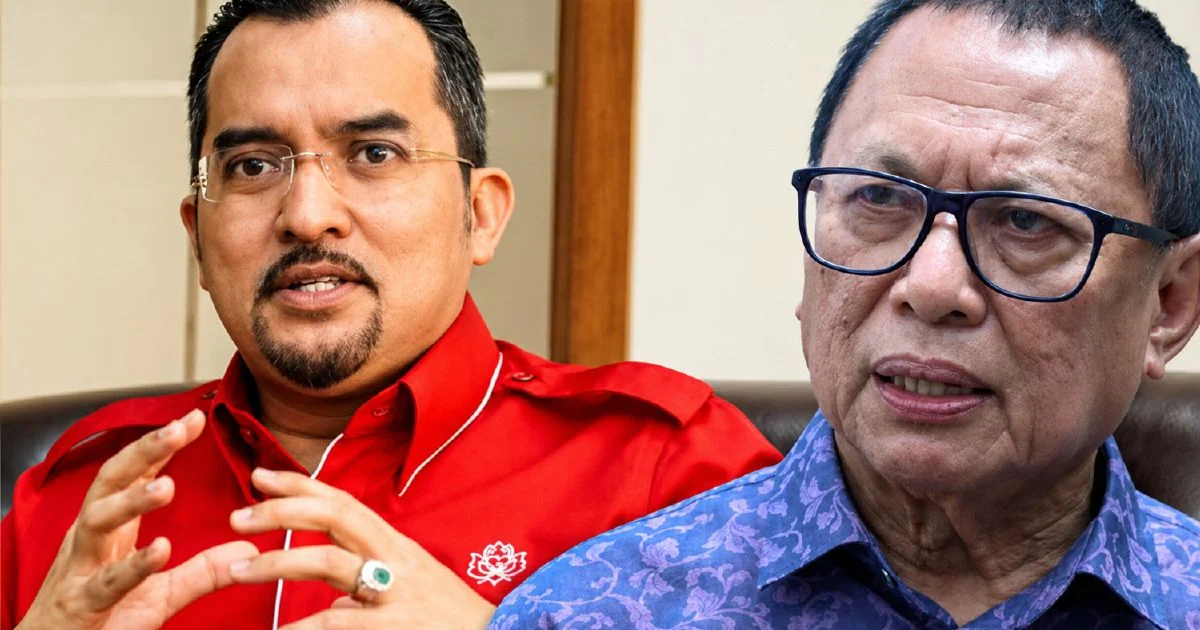
The internal conflict within Umno has intensified following a public exchange between two senior party figures in Johor Baru. Datuk Dr Asyraf Wajdi Dusuki, occupying the pivotal position of secretary-general for the party, has issued a forceful response to Datuk Dr Mohd Puad Zarkashi after the latter announced his departure from the organisation. The dispute highlights growing tensions within Malaysia's most established ruling party, revealing deeper fractures that extend beyond simple policy disagreements.
Puad Zarkashi's decision to step away from Umno triggered the public confrontation, with his resignation accompanied by claims that appear to have implicated palace officials in party management decisions. These allegations strike at the heart of how Umno operates at its senior levels, suggesting that influence may extend beyond the party's formal structures into institutional channels. For a party that has governed Malaysia for decades and maintains close ties to the monarchy, such suggestions carry significant weight and invite scrutiny into the boundaries between political party operations and royal institution involvement.
Ayraf Wajdi's counterattack directly challenges the narrative put forward by Puad Zarkashi, rejecting characterisations of his own conduct and the circumstances surrounding the resignation. As secretary-general, Asyraf Wajdi holds responsibility for internal party administration and discipline, making him a natural focal point for criticism regarding organisational decisions. His willingness to engage in public dispute rather than allow such claims to pass unchallenged suggests the allegations touched sensitive matters that he felt compelled to address openly.
The timing of this confrontation comes as Umno navigates a complex political landscape. The party has faced sustained pressure from rival factions, leadership questions, and the broader challenge of maintaining relevance within Malaysia's evolving political ecosystem. Internal disputes of this nature, when aired publicly, can damage party cohesion and project an image of disarray to party members and the broader electorate. The fact that two senior officials would engage in such a direct exchange indicates that underlying grievances have reached a breaking point where conventional private resolution mechanisms have failed.
Palace involvement in party affairs represents a particularly sensitive terrain in Malaysian politics. Constitutional conventions typically maintain a separation between the royal institution and partisan political activity, even though the monarchy occupies a paramount position within Malaysia's constitutional framework. Allegations suggesting direct palace interference in Umno decisions challenge these understood boundaries and raise questions about proper constitutional practice. Such claims demand careful examination, as they touch upon fundamental aspects of how Malaysia's political system operates and the respective roles of different institutions.
Puad Zarkashi's decision to resign rather than continue within the party structure suggests fundamental disagreement over party direction or his own standing within it. Whether his departure stemmed from principle, personal grievance, or pressure remains unclear from the available information, but the fact that he chose to make public statements rather than depart quietly indicates he wished to establish a particular narrative around his exit. This contrasts with typical Umno practice, where senior departures are often managed with careful attention to party image and frequently accompanied by statements emphasising continued support for the organisation's broader mission.
Ayraf Wajdi's response represents a direct defence of his administrative authority and decision-making processes. As secretary-general, he oversees party operations and discipline, placing him in a position where defending party structures also means defending his own stewardship. His willingness to engage publicly with the allegations suggests confidence that his position can withstand scrutiny and that he has backing within party leadership to pursue this confrontation openly rather than seeking quiet resolution.
The broader implications for Umno extend beyond the immediate dispute between these two figures. Internal conflicts of this magnitude, especially when they involve senior officials and touch upon questions of institutional propriety, can create lasting damage to party unity and member confidence. Umno's strength historically has derived partly from its organisational cohesion and internal discipline, qualities that become compromised when senior figures openly accuse one another and air grievances publicly. The party's base membership watches such exchanges carefully, drawing conclusions about leadership quality and internal stability.
For Malaysian politics more broadly, this incident illuminates the continuing importance of Umno despite its reduced dominance compared to previous decades. The party remains central to Malaysia's political calculations, and developments within Umno ripple through the wider system. Questions about palace involvement in party affairs also carry implications for constitutional understanding, as they touch upon fundamental relationships between institutions that shape Malaysian governance. Public discussion of these matters, even through a lens of partisan dispute, contributes to broader conversation about institutional boundaries and proper practice.
The resolution of this conflict remains uncertain. Whether Asyraf Wajdi's forceful response will persuade party members, neutralise the damage from Puad Zarkashi's allegations, or instead escalate the dispute further depends on factors still developing. The incident exemplifies the challenges facing Umno as it attempts to maintain internal coherence while navigating changing political fortunes. How party leadership manages this confrontation and what explanations emerge regarding the palace allegations will significantly influence perceptions of Umno's governance quality and institutional health.

