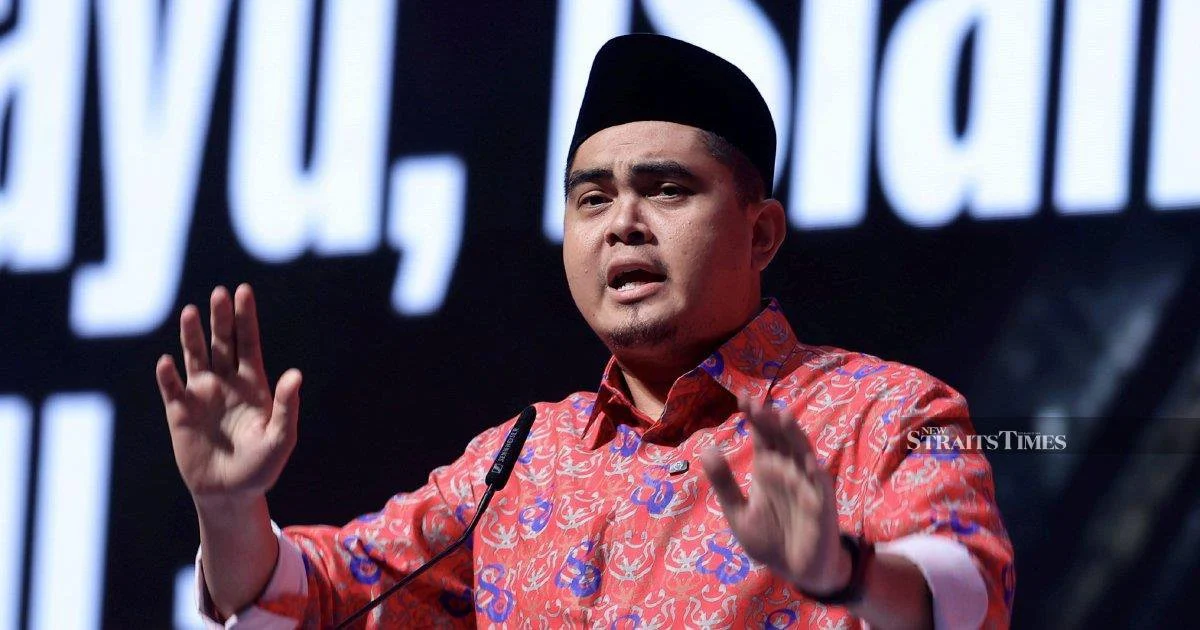
Political tensions have escalated in Johor following the Barisan Nasional coalition's commanding victory in the recent state election, with Umno Youth leadership now directly pressuring the opposition to follow through on earlier commitments. Datuk Dr Akmal Saleh, who heads Umno Youth, has publicly challenged DAP deputy chairman Nga Kor Ming to honour what he characterised as a pledge to resign in the aftermath of the coalition's decisive performance at the ballot box.
The call represents a hardening of rhetoric from the ruling coalition's youth wing, which has increasingly adopted a confrontational tone toward opposition figures in the post-election period. Akmal's intervention signals that Umno Youth intends to maintain political momentum following what party officials have described as a validation of their leadership and policy direction. The challenge carries undertones of political gamesmanship typical of Malaysian politics, where victory in elections often translates into pressure on opposition members perceived to have made public commitments they might later wish to distance themselves from.
Nga Kor Ming, a prominent figure within DAP's leadership structure, holds significant influence within the party and represents the organisation's interests across multiple political platforms. His potential resignation would represent a notable shift in the opposition coalition's composition, particularly within DAP, which has been the largest opposition party in recent parliamentary cycles. The implications of such a development would ripple across opposition unity efforts, as DAP's internal dynamics often influence broader opposition coalition strategies across Malaysia.
Umno Youth's public campaign on this matter reflects broader competition for narrative control in the immediate aftermath of elections. By directly invoking Nga Kor Ming's earlier statements, Akmal is attempting to create political liability for opposition leadership while simultaneously boosting the morale of his own party's grassroots supporters. This tactic exploits the public nature of political commitments made during electoral campaigns, when politicians sometimes make statements designed to energise their base that may not survive contact with post-election political realities.
The Johor election result itself provided the backdrop for this escalating political exchange. Barisan Nasional's substantial victory margin has given the ruling coalition considerable confidence in pursuing aggressive political strategies against opposition figures. Electoral victories historically embolden governing coalitions to take more assertive stances toward opposition elements they perceive as vulnerable or politically exposed. Johor, as Malaysia's second-largest state by population and a traditional Umno stronghold, holds significant symbolic importance for the coalition, making the election outcome particularly meaningful for party leadership calculations.
For Malaysian voters and political observers, this exchange illustrates the often performative nature of post-election political discourse. Rather than focusing on policy implementation or governance priorities, both ruling and opposition camps frequently engage in symbolic battles over perceived commitments or vulnerabilities. These dynamics can distract from substantive debates about state development, economic management, and service delivery that directly affect ordinary Malaysians' daily lives.
The situation also demonstrates how opposition unity mechanisms across Malaysia remain fragile and subject to internal pressures. DAP's position within larger opposition coalitions like Pakatan Harapan depends partly on maintaining cohesion among its leadership ranks. Public pressure on figures like Nga Kor Ming, whether it leads to actual resignations or not, can create internal tensions that weaken opposition effectiveness in scrutinising government policies and holding elected representatives accountable.
Froms a Southeast Asian perspective, Malaysia's robust political competition, while sometimes colourful and personally pointed, reflects the region's generally competitive democratic systems. Unlike authoritarian contexts where opposition figures face existential threats, Malaysian opposition politicians can weather public criticism and political pressure from ruling coalitions. However, the intensity of such exchanges raises questions about whether political energy might be more productively directed toward substantive policy debates and institutional strengthening.
The broader context includes ongoing discussions about whether Malaysian political culture emphasises personality-driven conflict over policy substance. Voters increasingly signal through electoral behaviour that they expect politicians across all parties to demonstrate competence in economic management, corruption prevention, and service delivery. Yet inter-party political exchanges often focus on personal conduct, historical statements, and symbolic gestures rather than addressing these substantive governance priorities.
Looking forward, whether Nga Kor Ming responds to these public calls will significantly influence how both ruling and opposition camps calibrate their post-election strategies. If he ignores the pressure, ruling coalition figures may claim opposition leaders lack credibility and follow-through. If he addresses the matter directly, it could either defuse the issue or transform it into a more substantive political discussion. Either way, the incident reflects the intensely competitive nature of Malaysian politics where electoral victories provide launching pads for aggressive strategic positioning rather than moments of consensus-building.

